

Signs of pneumonia: Sometimes vague and unexpected

Using a vibration plate: What it can — and can't — do for your body

The surprising link between ovarian cancer and the fallopian tubes

People who walk more or walk faster live longer, study finds

For sleep apnea, a dental device may be as effective as CPAP

Rosacea treatments: What works?

Carb cycling: What is it, and does it work?

Salmonella, E. coli, Cyclospora, and other germs that cause food poisoning: What you need to know

Melatonin or magnesium: Can either supplement help you sleep?

Understanding orthorexia: Have your healthy eating goals gone too far?
Brain health Archive
Articles

Even a little exercise linked with lower stroke risk in people with afib
Physical activity, even as little as 15 minutes a day of moderate-intensity exercise, is linked with a lower risk of stroke and death in people with atrial fibrillation.
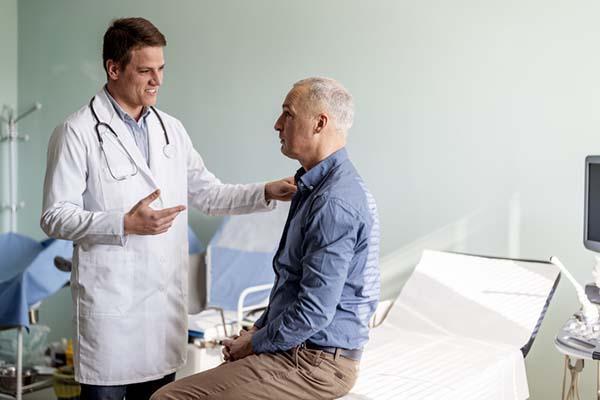
Testosterone therapy without evidence of deficiency may boost heart risk
Men without evidence of low testosterone levels (hypogonadism) who use testosterone appear to face a higher risk of serious cardiovascular problems and death from all causes than men who use testosterone replacement therapy for documented hypogonadism, according to a 2026 study.
Migraine: How it's diagnosed and what that means
Migraine can’t be diagnosed using a blood test, imaging scan, or biopsy. Rather, doctors typically diagnose this headache disorder solely through a person’s reported symptoms (including how often they occur and how long they last), triggers, and a family history of migraine.
Does caffeine help ease headaches — or does it cause them?
Caffeine is likely to help prevent or dull headaches when it’s used consistently and in moderation. For most adults, moderation means the amount in about one to two cups of coffee a day.

What can help ease orthostatic tremor?
When clonazepam doesn’t ease the unsteadiness of orthostatic tremor, other medicines may offer options to discuss with your doctor.
What can cause flashes of light in your vision?
Flashes of light may be harmless, but some patterns deserve prompt medical attention.

Are circles of light a common migraine symptom?
Transparent circles or other visual changes can appear before migraine pain. Find out what these symptoms may mean and what to discuss with your doctor.

Atrial fibrillation symptoms: Why they're easy to miss
Symptoms of atrial fibrillation include a fluttering, pounding sensation in the chest and a lightheaded, dizzy, or breathless feeling. But about a quarter of people with this disorder don’t notice any symptoms.

Fast-walking "super-movers" may have sharper brains as they age
A 2026 study found that older “super-movers”—adults 80 and older who walk significantly faster than their peers—were substantially less likely than slower walkers to develop cognitive impairment and had larger memory-related brain regions, suggesting that brisk walking speed may signal, or even support, healthier brain aging.

Strength training over decades linked to longer life
A 2026 study suggests that people who do up to two hours of strength training each week over several decades may have a lower risk of dying earlier from several serious conditions, including heart disease and neurological diseases such as dementia.
Signs of pneumonia: Sometimes vague and unexpected
Using a vibration plate: What it can — and can't — do for your body
The surprising link between ovarian cancer and the fallopian tubes
People who walk more or walk faster live longer, study finds
For sleep apnea, a dental device may be as effective as CPAP
Rosacea treatments: What works?
Carb cycling: What is it, and does it work?
Salmonella, E. coli, Cyclospora, and other germs that cause food poisoning: What you need to know
Melatonin or magnesium: Can either supplement help you sleep?
Understanding orthorexia: Have your healthy eating goals gone too far?
Free Healthbeat Signup
Get the latest in health news delivered to your inbox!
Sign Up
