Could an unexplained blackout have been a seizure?
Ask the doctor

Q. My husband blacked out at home. Nobody was there and he doesn't recall what happened. The doctor he saw asked us a lot of questions that we couldn't answer. Did he have a seizure?
A. A seizure is one possibility. People who have a seizure often have no memory of what happened just before and just after the event.
So it's important that you or anyone else with your husband take notes - written or at least mental - if he has another spell.
The doctor will want to know:
- how he was acting before the actual spell
- the very first things that you saw
- details of what he was doing during the spell
- his muscle movements
- how long the episode lasted
- how many minutes passed before he was able to communicate with you.
Most seizures stop on their own within a few minutes. Unless a seizure does not end, the only danger is injury. So if you are there, move your husband to the floor and take away any nearby hard objects. Do not try to put anything in his mouth.
In the emergency department, the doctor will make sure that the seizure has stopped. If not, he or she will give intravenous (IV) medicines to stop it.
For someone having a first seizure as an adult, the doctor will want to know what medicine the person takes and the doses. Another question will be about anything eaten or swallowed. This should include over-the-counter drugs, herbs, and supplements.
Doctors perform common tests when an adult is suspected of having a first-time seizure. These include:
- blood tests to make sure there is no chemical imbalance that could trigger a seizure
- urine and blood tests to look for toxic substances
- an electrocardiogram (EKG) to rule out a heart problem
- an MRI or CT scan of the head
- a brain wave test (EEG).
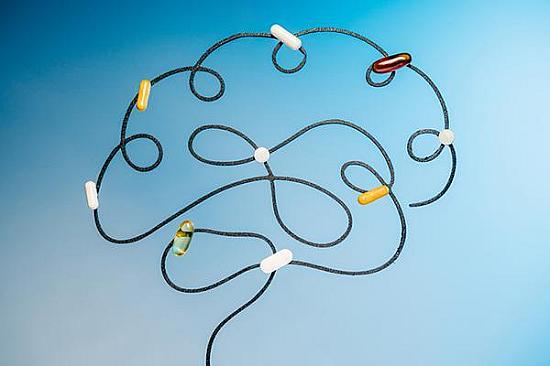
Image: © Goodboy Picture Company/Getty Images
About the Author
Howard E. LeWine, MD, Chief Medical Editor, Harvard Health Publishing; Editorial Advisory Board Member, Harvard Health Publishing
Disclaimer:
As a service to our readers, Harvard Health Publishing provides access to our library of archived content. Please note the date of last review or update on all articles.
No content on this site, regardless of date, should ever be used as a substitute for direct medical advice from your doctor or other qualified clinician.