
The brain's cleanup crew works while we sleep
Without the glymphatic system, we're more vulnerable to neurological diseases. Here's how we can support its crucial work.
- Reviewed by Rudolph Tanzi, PhD, Contributor

Picture a group of tiny dump trucks in your brain, each carting away toxic waste that might otherwise lead to devastating neurological conditions such as dementia. It’s not just a comforting image — it’s a very real process that happens on a cellular level each night when we’re asleep.
This overnight cleanup crew is the glymphatic system, which has been the subject of intense research over the past decade. As we slumber, the cerebrospinal fluid that flows in and around the brain collects and removes brain waste — including deposits of amyloid and other proteins linked to Alzheimer’s, Parkinson’s disease, and Lewy body dementia.
“We compare it to an active river running through the brain that washes away debris that damages the brain,” says neuroscientist Rudolph Tanzi, the director of the McCance Center for Brain Health at Harvard-affiliated Massachusetts General Hospital.
Researchers have also identified what can disrupt the glymphatic system and hinder its vital work. The good news? Optimizing this process is well within our control, Tanzi says.
The glymphatic system and sleep
Like other organs, the brain produces metabolic byproducts just from doing its job. But this brain waste can’t stick around, or it will wreak havoc on long-term brain function. “You don’t want the amyloid sitting there and turning into plaque, which can happen decades before people have symptoms,” Tanzi says.
Three healthy habits — exercising, eating a plant-forward diet, and getting sufficient sleep — are key to enabling the glymphatic system to work properly. Chief among those, however, is sleep, which is the brain’s primary way to clear waste.
As we sleep, particularly during deep, slow-wave sleep — which constitutes about 15% to 20% of our sleep time — the glymphatic system revs up, pulsing cerebrospinal fluid through the brain. Deep sleep is “the rinse cycle for our brain,” Tanzi says. “Every time you pass through deep sleep, the glymphatic system is washing out amyloid and other protein debris, as well as viruses.”
Pick up the SHIELD to thwart dementiaNeuroscientist Rudolph Tanzi, director of the McCance Center for Brain Health at Massachusetts General Hospital, developed an evidence-based approach called SHIELD that’s designed to protect your memory and thinking skills. The acronym incorporates six key lifestyle habits: S: Sleep. Aim for seven to eight hours each night to help clear amyloid plaques from the brain. H: Handle stress. Techniques such as meditation, journaling, or yoga can help. I: Interact with others. Maintaining an active social life has been shown to reduce dementia risk. E: Exercise. Daily movement improves cognitive function and diminishes blood vessel problems that could impede blood flow to the brain. L: Learn new things. Taking up a new instrument or language can strengthen connections between nerve cells in the brain. D: Diet. Follow a plant-based eating plan to lower inflammation. |
Three prongs of support
Keeping the brain clear of waste is a round-the-clock job, however. While we’re awake, habits like regular exercise and a plant-forward diet spur brain cells called astrocytes to “be in cleaning mode, breaking down debris all day,” Tanzi explains.
Physical activity stimulates muscles to release hormones that bind to brain cells, producing enzymes that “chop up” amyloid and other harmful proteins, he says. Plant-based foods also support this process.
“To get the glymphatic system to work, sleep is number one,” Tanzi says. “But we need astrocytes to break down the material so it can be rinsed out. You can use sleep, diet, and exercise together to get rid of brain debris.”
Ways to support the glymphatic system
Tanzi suggests these strategies to keep the glymphatic system humming:
Exercise regularly. Aim for 20 to 30 minutes of moderate-intensity exercise daily, especially that which raises your heart rate 50% or more above its resting rate. “If you do a little exercise each day, it’s preparing that toxic material to be removed at night,” he says.
Favor plant-based foods. Research suggests that choices such as whole grains, fruits, vegetables, nuts, and seeds also contribute to removing amyloid from the brain.
Prioritize consistent, high-quality sleep. The more time you spend asleep, the more deep sleep you’ll get — which is high on the list of reasons experts recommend seven to eight hours of sleep each night, Tanzi says. Even a 20- to 30-minute “power nap” can be useful to increase your ration of deep sleep. “If you get seven to eight hours each night, odds are you’ve turned on your glymphatic system enough to rinse out debris,” Tanzi says.
Beware of these sleep aidsEven while promoting slumber, certain sleep aids can also thwart the glymphatic system, which washes away brain waste linked to neurodegenerative diseases. Harvard neuroscientist Rudolph Tanzi, director of the McCance Center for Brain Health at Massachusetts General Hospital, says studies have shown that a class of drugs known as non-benzodiazepine sedative-hypnotics, which include zolpidem (Ambien), eszopiclone (Lunesta), and zaleplon (Sonata), may impair the rhythmic brain pulsing needed to flush away brain debris during sleep. “They might help you sleep, but they may not allow the glymphatic system to work optimally,” he says. |
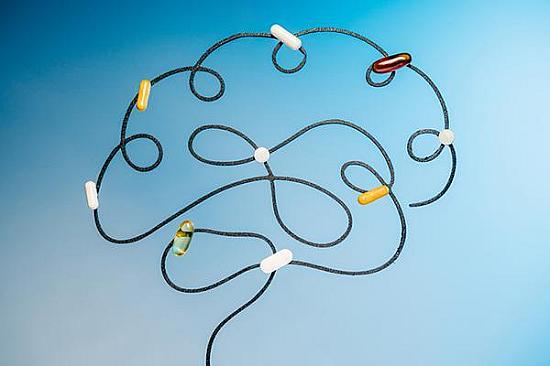
Image: © sorbetto/Getty Images
About the Author

Maureen Salamon, Executive Editor, Harvard Women's Health Watch
About the Reviewer

Rudolph Tanzi, PhD, Contributor
Disclaimer:
As a service to our readers, Harvard Health Publishing provides access to our library of archived content. Please note the date of last review or update on all articles.
No content on this site, regardless of date, should ever be used as a substitute for direct medical advice from your doctor or other qualified clinician.