










7 things you can do to prevent a stroke
Stroke prevention can start today. Protect yourself and avoid stroke, regardless of your age or family history.
- Reviewed by Mallika Marshall, MD, Contributing Editor

What can you do to prevent stroke? Age makes us more susceptible to having a stroke, as does having a mother, father, or other close relative who has had a stroke.
You can't reverse the years or change your family history, but there are many other stroke risk factors that you can control - if you're aware of them. Knowledge is power.
How to prevent stroke
Here are seven ways to start reining in your stroke risks today.
1. Lower blood pressure
Uncontrolled high blood pressure is the leading controllable risk factor for stroke; it is associated with 50% to 70% of all stroke cases. Monitoring your blood pressure, and treating it if elevated, can probably make the biggest difference to your vascular health.
Your goal: An ideal goal is maintaining a blood pressure of less than 120/80 millimeters of mercury (mm Hg). But there may be good reasons why you and your doctor will not want your readings to be this low. For some, a less aggressive goal may be more appropriate.
How to achieve it:
- Reduce the salt in your diet to 1,500 milligrams of sodium a day (about a half teaspoon). A recent study in JAMA found that three-fourths of people who followed a low-sodium (500 mg/day) diet for just one week lowered their blood pressure, with an average drop in systolic blood pressure - the first, higher number - of six to seven mm Hg.
- Eat 4 to 5 cups of fruits and vegetables every day, one serving of fish two to three times a week, and several daily servings of whole grains and low-fat dairy.
- Get more exercise - at least 30 minutes of activity a day, more if possible.
- If you smoke or vape, take steps to quit.
- If needed, take blood pressure medication as prescribed by your doctor.
2. Lose weight
Obesity, as well as the complications linked to it (including high blood pressure and diabetes), raises your risk of having a stroke. If you're overweight, losing as little as 10 pounds can have a real impact on stroke risk.
Your goal: Work with your medical team to create personal weight-loss goals. While body mass index (BMI) is still used to classify obesity (andamp;gt; 30) and overweight (between 25 and 30), most experts agree that BMI is not the best indicator of health risk. Measures that address body fat distribution - such as waist circumference and waist-to-height ratio - may provide better health-related information.
How to achieve it:
- Try to eat no more than 1,500 to 2,000 calories a day (depending on your activity level and your current BMI). Consult with a dietitian, if possible, to ensure you're getting enough nutrients.
- Gradually increase the amount of exercise you do with activities like walking, golfing, or playing tennis, and by making activity part of every day. The American College of Sports Medicine recommends at least 250 minutes of exercise per week as part of a weight-loss strategy.
- Long-term weight loss may be difficult with lifestyle changes alone. Your medical team may suggest medication or other options tailored to your individual situation.
3. Exercise more
Exercise contributes to maintaining weight loss and lowering blood pressure, but it also helps reduce stroke risk, independently.
Your goal: Exercise at a moderate intensity for 30 minutes at least five days a week.
How to achieve it:
- Take a walk around your neighborhood every morning after breakfast.
- When you exercise, reach the level at which you're breathing hard, but you can still talk.
- Take the stairs instead of an elevator when you can.
- If you don't have time to exercise for long periods, break it up into several 10-to-15-minute sessions.
- Consider strength training two or three times per week.
4. Cut down on drinking
Alcohol is no longer considered part of a healthy lifestyle: as little as one drink per day can raise systolic blood pressure. And if you're regularly drinking more than two drinks per day, your stroke risk goes up very sharply.
Your goal: Don't drink alcohol or do it in moderation.
How to achieve it:
- Have no more than one drink a day.
- Watch your portion sizes. A standard-size drink is a 5-ounce glass of wine, a 12-ounce glass of 5% ABV (alcohol by volume) beer, 7.5 ounces of 8% ABV beer, or a 1.5-ounce pour of hard liquor.
5. Treat atrial fibrillation
Atrial fibrillation is a heart rhythm disorder that can cause blood clots to form in the heart. Those clots can then travel to the brain, triggering a stroke. Atrial fibrillation raises the risk of stroke almost fivefold, and should be taken seriously.
Your goal: If you have atrial fibrillation, get it treated.
How to achieve it:
- If you have heart palpitations or shortness of breath, see your doctor for an exam.
- You may need to take medication, such as an anti-coagulant (blood thinner), to reduce clot risk and/or an anti-arrhythmic to regulate your heartbeat.
- Your medical team may discuss surgical treatment options, such as catheter ablation.
6. Treat diabetes
In people with diabetes, high blood sugar damages blood vessels over time, making clots more likely to form inside them.
Your goal: Keep your blood sugar within a healthy range.
How to achieve it:
- Monitor your blood sugar as directed by your doctor.
- Use diet, exercise, and medicines to keep your blood sugar within the recommended range.
7. Quit smoking
Smoking accelerates clot formation in a couple of different ways: it thickens your blood, and it increases plaque buildup in the arteries. Along with a healthy diet and regular exercise, smoking cessation is one of the most powerful lifestyle changes to reduce stroke risk.
Your goal: Quit smoking.
How to achieve it:
- Ask your doctor for advice on the most appropriate way for you to quit. This may include aids such as nicotine pills or patches, counseling, and medication.
- Don't give up. Most smokers need several tries to quit. Each attempt brings you one step closer to successfully beating the habit.
Identify a stroke F-A-S-TMany people ignore the signs of stroke because they question whether their symptoms are serious. If you have any unusual symptoms, don't wait. Listen to your body and trust your instincts. If something is off, call 911. The National Stroke Association has created an easy acronym to help people remember, and act on, the signs of a stroke. Print this image and post it on your refrigerator for easy reference.
Source: National Stroke Association Signs of a stroke include:
|

Image: marina-ua/Getty Images
About the Reviewer
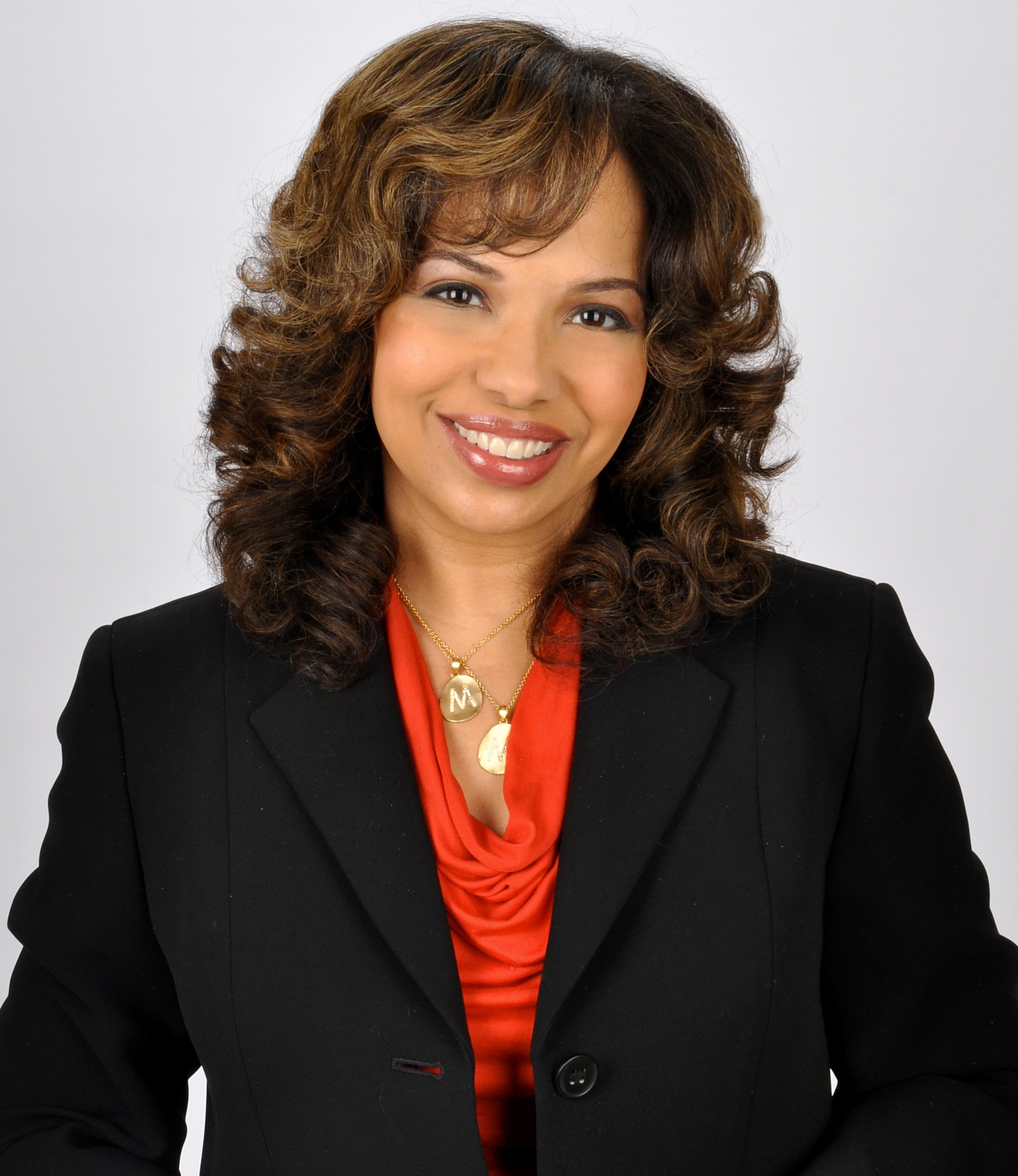
Mallika Marshall, MD, Contributing Editor
Disclaimer:
As a service to our readers, Harvard Health Publishing provides access to our library of archived content. Please note the date of last review or update on all articles.
No content on this site, regardless of date, should ever be used as a substitute for direct medical advice from your doctor or other qualified clinician.


