Could my symptoms be due to Parkinson's disease or another neurological condition?
Ask the doctor

Q. What kind of test can check for the early onset of Parkinson's disease? Could tingling, leg weakness, and a vocal cord disorder be a sign of a neurological disorder?
A. Tingling, leg weakness, and vocal cord disorder could all be related to one neurological problem, or could just as likely be three separate minor issues. You will need to consult your doctor to sort this out.
Here are some questions your doctor will likely ask you:
- When did each symptom start?
- Which symptoms are getting worse, which are getting better and which are staying the same?
- Are the symptoms present all day long, every day, or do the symptoms come and go?
- What do you do to help relieve the symptoms?
- What things make the symptoms worse?
Detailed answers to these questions will help your doctor better understand what you are experiencing.
The symptoms you describe are not the usual for Parkinson's disease. Fatigue, hand tremor, and a feeling of "slowness" are the more common early symptoms of Parkinson's. How fast symptoms progress vary widely from one person to the next. As Parkinson's progresses, it typically produces some or all of these characteristic symptoms:
- slowed movement or lack of movement (known as bradykinesia)
- tremor
- rigidity
- difficulty maintaining a straight posture when standing, with a tendency to lean forward.
There is no diagnostic test for Parkinson's disease, such as a blood test, CT scan, or MRI. It's what doctors call a clinical diagnosis. In general, a person is not diagnosed with Parkinson's disease until they have two or more of the characteristic symptoms and show progression of symptoms over time.
With Parkinson's disease, it's more important to make the right diagnosis rather than speculate on an early diagnosis. People can have symptoms similar to Parkinsons's disease due to other conditions or as a side effect of medications. Doctors refer to it as parkinsonism.
Image: © Morsa Images/Getty Images
About the Author
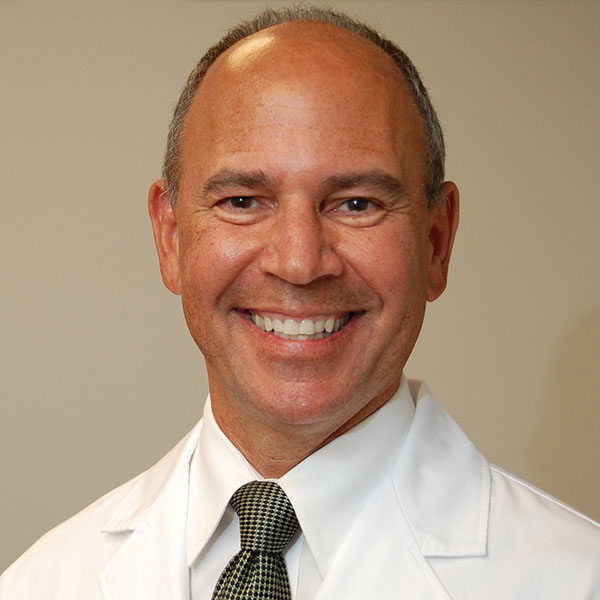
Howard E. LeWine, MD, Chief Medical Editor, Harvard Health Publishing; Editorial Advisory Board Member, Harvard Health Publishing
Disclaimer:
As a service to our readers, Harvard Health Publishing provides access to our library of archived content. Please note the date of last review or update on all articles.
No content on this site, regardless of date, should ever be used as a substitute for direct medical advice from your doctor or other qualified clinician.