

Using a vibration plate: What it can — and can't — do for your body

The surprising link between ovarian cancer and the fallopian tubes

People who walk more or walk faster live longer, study finds

For sleep apnea, a dental device may be as effective as CPAP

Rosacea treatments: What works?

Carb cycling: What is it, and does it work?

Salmonella, E. coli, Cyclospora, and other germs that cause food poisoning: What you need to know

Melatonin or magnesium: Can either supplement help you sleep?

Understanding orthorexia: Have your healthy eating goals gone too far?

Naturally gluten-free foods
Brain health Archive
Articles

Can you have Alzheimer's without symptoms?
More than 30% of adults over 70 have amyloid or tau (proteins implicated in the development of Alzheimer’s disease) in their brains yet have no apparent cognitive problems. This may indicate greater cognitive reserve, the brain’s ability to compensate for damage.

MIND diet may slow age-related brain changes
A long-running study found that closely following the MIND Diet was linked with significantly slower age-related brain changes, including 20% less shrinkage in grey matter—equivalent to slowing brain aging by 2.5 years. However, it’s not known if these changes translate to better brain function.
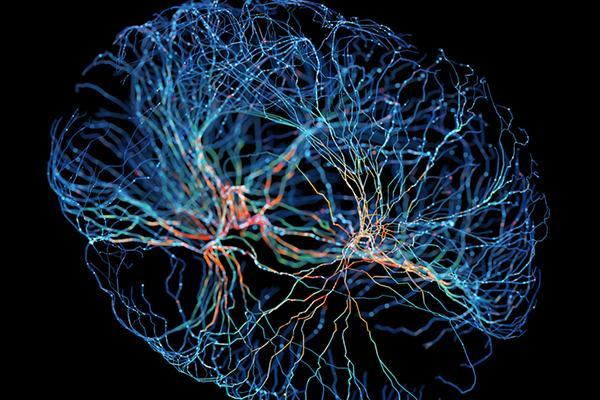
What is neurogenesis?
Neurogenesis is the birth of new nerve cells, called neurons, in the brain. The ability to grow new neurons appears more prominent in super-agers, people 80 and older whose thinking and memory skills are as sharp as adults who are decades younger.
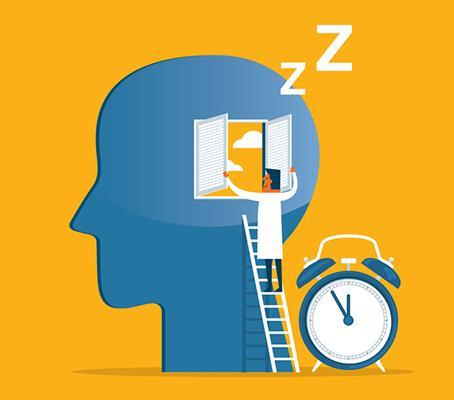
The brain's cleanup crew works while we sleep
The glymphatic system serves as the brain’s cleanup crew. It promotes the circulation of cerebrospinal fluid through the brain during deep sleep, flushing away amyloid and other proteins that can lead to neurological conditions such as Alzheimer’s, Parkinson’s disease, and Lewy body dementia.

7 things you can do to prevent a stroke
Aging and a family history can increase the risk for a stroke, but women can lower it by managing factors that are under their control-such as diet, exercise, blood pressure, smoking, and diabetes.

When a pain in the neck is serious
A cervical artery dissection is a tear in one of the arteries in the neck that carry blood to the brain. Although rare, it is one of the most common causes of stroke in people under age 50.

What is encephalitis?
Encephalitis, or brain inflammation, can cause symptoms ranging from mild, flu‑like illness to life‑threatening confusion and coma. Causes, recovery, and urgent treatments vary by virus.

Could my symptoms be due to Parkinson's disease or another neurological condition?
Tingling, leg weakness, and voice changes can be alarming. Learn how doctors sort out these symptoms and when Parkinson's disease may be suspected.

What are the best treatment options for essential tremor?
When tremors progress from a mild nuisance to disrupting daily life, specific therapies may offer relief and help steady your movements.

Could unusual muscle contractions be related to my migraines?
Muscle tightening or jerking during a severe migraine can have several explanations. Learn about the possible causes.
Using a vibration plate: What it can — and can't — do for your body
The surprising link between ovarian cancer and the fallopian tubes
People who walk more or walk faster live longer, study finds
For sleep apnea, a dental device may be as effective as CPAP
Rosacea treatments: What works?
Carb cycling: What is it, and does it work?
Salmonella, E. coli, Cyclospora, and other germs that cause food poisoning: What you need to know
Melatonin or magnesium: Can either supplement help you sleep?
Understanding orthorexia: Have your healthy eating goals gone too far?
Naturally gluten-free foods
Free Healthbeat Signup
Get the latest in health news delivered to your inbox!
Sign Up
