

Signs of pneumonia: Sometimes vague and unexpected

Using a vibration plate: What it can — and can't — do for your body

The surprising link between ovarian cancer and the fallopian tubes

People who walk more or walk faster live longer, study finds

For sleep apnea, a dental device may be as effective as CPAP

Rosacea treatments: What works?

Carb cycling: What is it, and does it work?

Salmonella, E. coli, Cyclospora, and other germs that cause food poisoning: What you need to know

Melatonin or magnesium: Can either supplement help you sleep?

Understanding orthorexia: Have your healthy eating goals gone too far?
Brain health Archive
Articles

The simple memory and attention booster you can do anywhere for free
Mindfulness might help improve attention and memory. Mindfulness is the practice of focusing on the present moment, including thoughts, feelings, and all information coming in from the senses, such as sights, sounds, and smells. Many studies have shown that mindfulness helps people improve well-being, concentrate, engage more effectively in daily activities, and pay more attention. Attention is the most crucial factor when it comes to memory; whatever someone pays attention to is what he or she remembers.

Chronic stress may raise women's stroke risk
A 2025 study found that chronic stress is associated with higher stroke risks among women under 50, but not in men.

My calcium score is over 2,000. What's next?
People with very high calcium scores (over 1,000) have a risk of heart attack or stroke similar to those who have already had a heart attack. They should take cholesterol-lowering drugs to bring down LDL levels and possibly undergo additional testing.

Weight training may protect the brain from cognitive decline
A small 2025 study found that older adults who did six months of weight training improved their ability to recall recent events and information. They also had had less brain shrinkage in regions affected by Alzheimer's disease, compared with people who did not do the training.

Unlocking the secrets of super-agers
Super-agers are people who reach their 80s, 90s, or beyond with the memory capacity of someone at least three decades younger. As people get older, certain brain regions shrink, slowing brain functions. But super-agers retain more brain volume in areas linked to memory and movement, and their brains shrink more slowly over time. Women are more likely to be super-agers because they live, on average, longer than men. Genetics also appear to play a significant role in achieving super-ager status.
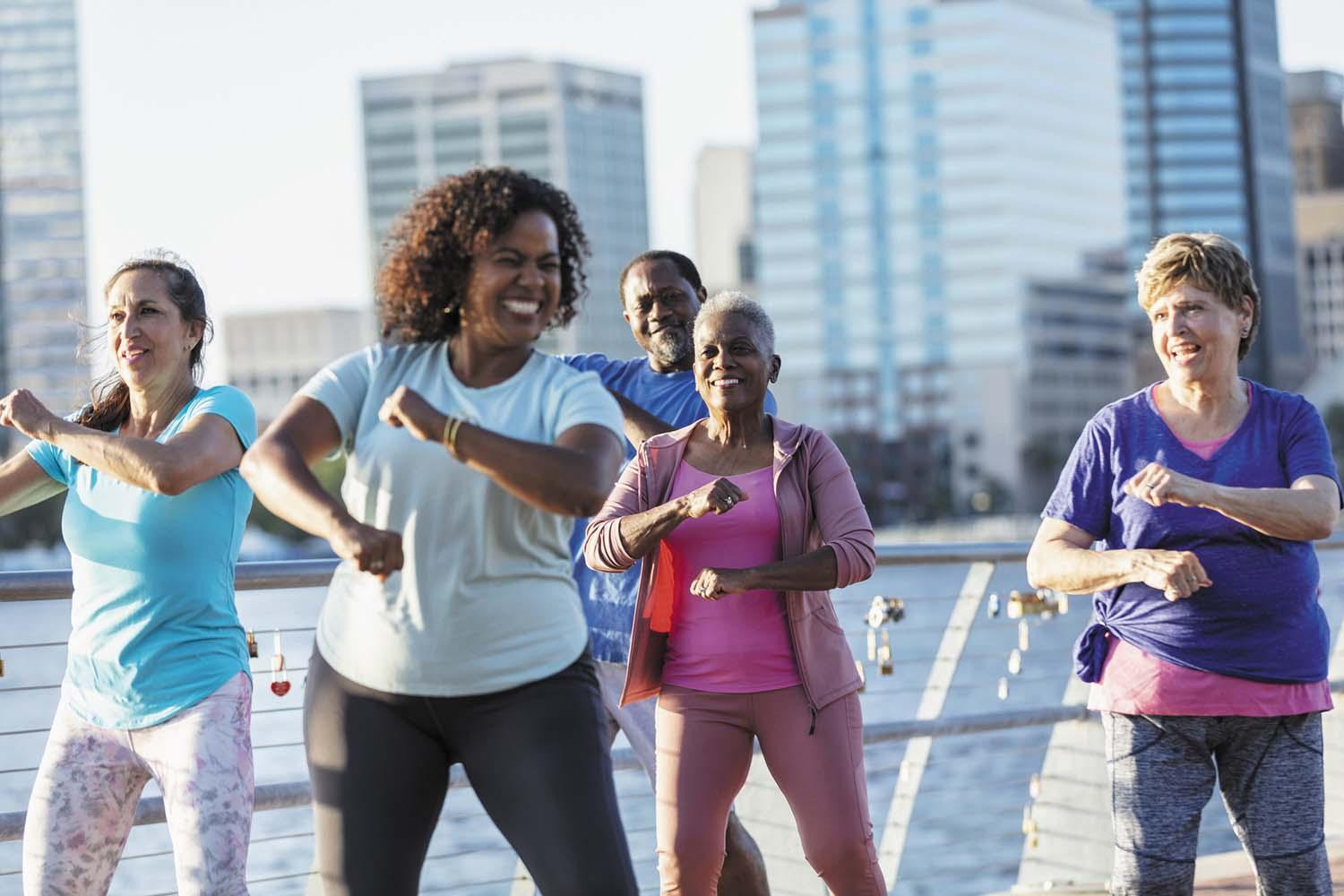
Twist, turn, tone
Dancing is a popular leisure activity. Evidence suggests dance boasts all the same benefits as other forms of consistent aerobic exercise: lowering blood pressure, building muscle and bone, increasing aerobic capacity, reducing anxiety, and improving depression symptoms. Dance can also counter loneliness and isolation and be easier to stick with than exercise that's more repetitive. People who want to try dance can frame it as a hobby instead of exercise, take a group class, and modify dance movements to accommodate pain or limited mobility.

Common gynecological disorders linked to higher risks for heart and brain
A 2025 research review suggested that women with certain gynecological disorders, such as polycystic ovary syndrome, endometriosis, heavy periods, and irregular menstrual cycles, have higher risks of cardiovascular and cerebrovascular disease.


Two jobs may lower the odds of dying from Alzheimer's disease - but why?
Researchers have found that the risk of death due to Alzheimer's disease is markedly lower in taxi and ambulance drivers compared with hundreds of other occupations. And the reason could be that these drivers develop certain structural changes in their brains as they work.

Harvard scientists: Red meat tied to increased dementia risk
In a 2025 Harvard study of more than 133,000 people followed for four decades, those who ate the most red meat each day (a quarter-serving or more) had a 13% higher risk of developing dementia later in life, compared with people who ate the least.
Signs of pneumonia: Sometimes vague and unexpected
Using a vibration plate: What it can — and can't — do for your body
The surprising link between ovarian cancer and the fallopian tubes
People who walk more or walk faster live longer, study finds
For sleep apnea, a dental device may be as effective as CPAP
Rosacea treatments: What works?
Carb cycling: What is it, and does it work?
Salmonella, E. coli, Cyclospora, and other germs that cause food poisoning: What you need to know
Melatonin or magnesium: Can either supplement help you sleep?
Understanding orthorexia: Have your healthy eating goals gone too far?
Free Healthbeat Signup
Get the latest in health news delivered to your inbox!
Sign Up
