

Reading the current blood pressure guidelines

Oat vs. dairy milk: Nutrition, benefits, and downsides

Microplastics: A hidden health threat?

Healing after food poisoning

What is tempeh? Benefits, nutrition, and how to use it

Light exposure at night may raise risk for heart disease

Whole grains may improve several heart risk factors at once

A lumbar belt may help ease low back pain

Children of centenarians may stay healthier and live longer too, study finds

Signs of pneumonia: Sometimes vague and unexpected
Women's Health Archive
Articles

Self-administered hypnosis may ward off hot flashes
A 2025 study suggested that self-administered hypnosis can reduce hot flash frequency and intensity in menopausal women.
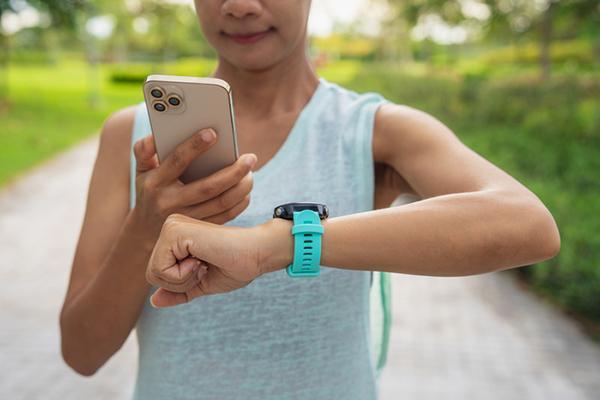
How femtech can empower women at midlife and beyond
Femtech (short for female technology) has expanded dramatically since its genesis a decade ago. Encompassing apps, wearable devices, medical hardware, and online platforms, femtech tools have increasingly focused on midlife and older women.
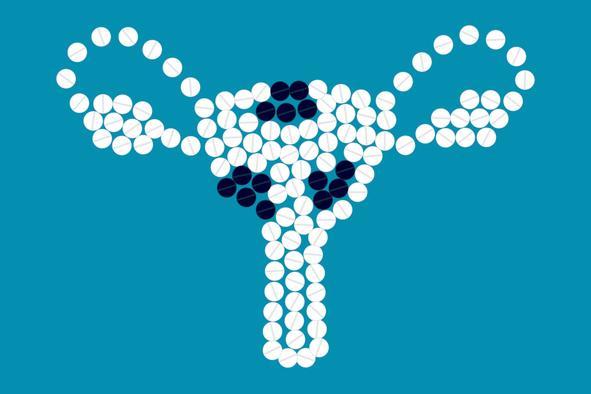
Fibroids tied to higher risk of cardiovascular disease
A 2026 study suggested that women with uterine fibroids may have far higher long-term risks of developing atherosclerotic cardiovascular disease, including heart attack and stroke.

How much coffee, if any, is safe during early pregnancy?
Coffee, tea, and soda all contribute to daily caffeine intake. Too much could affect miscarriage risk, as well as the baby's size.

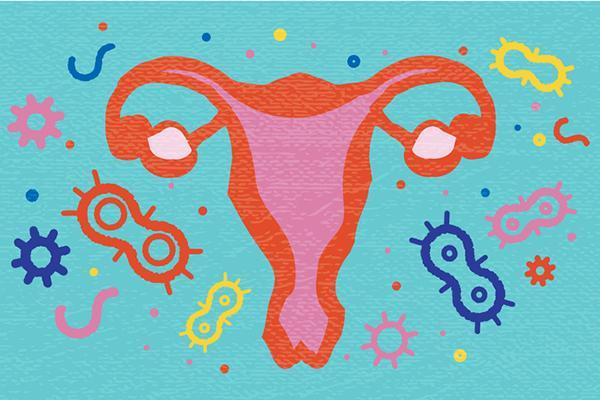
Telltale signs of vaginal infections
Vaginal infections are highly common and often involve symptoms such as vaginal itching, burning, irritation, discharge, and odor. The most prevalent vaginal infections include bacterial vaginosis, yeast infection, trichomoniasis, herpes simplex virus 2, gonorrhea, and chlamydia.
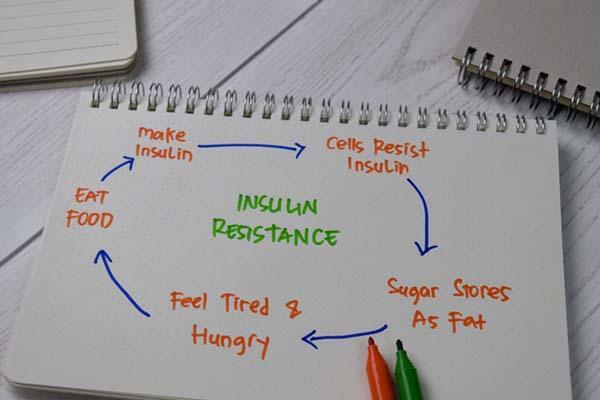
Insulin resistance in women and why it rises after 50
Insulin resistance is when the pancreas makes insulin but the body's cells don't use it efficiently. It becomes more common in women after age 50 due to hormonal shifts that change the way the body stores fat. It is a key step in the process of developing prediabetes and diabetes.

What can I expect during an endometrial biopsy?
An endometrial biopsy is the only way to rule out endometrial (or uterine) cancer. Any vaginal bleeding a year or more after a woman's final period raises the possibility of uterine cancer. The biopsy involves using a suction tube to gather cells from the uterine lining.
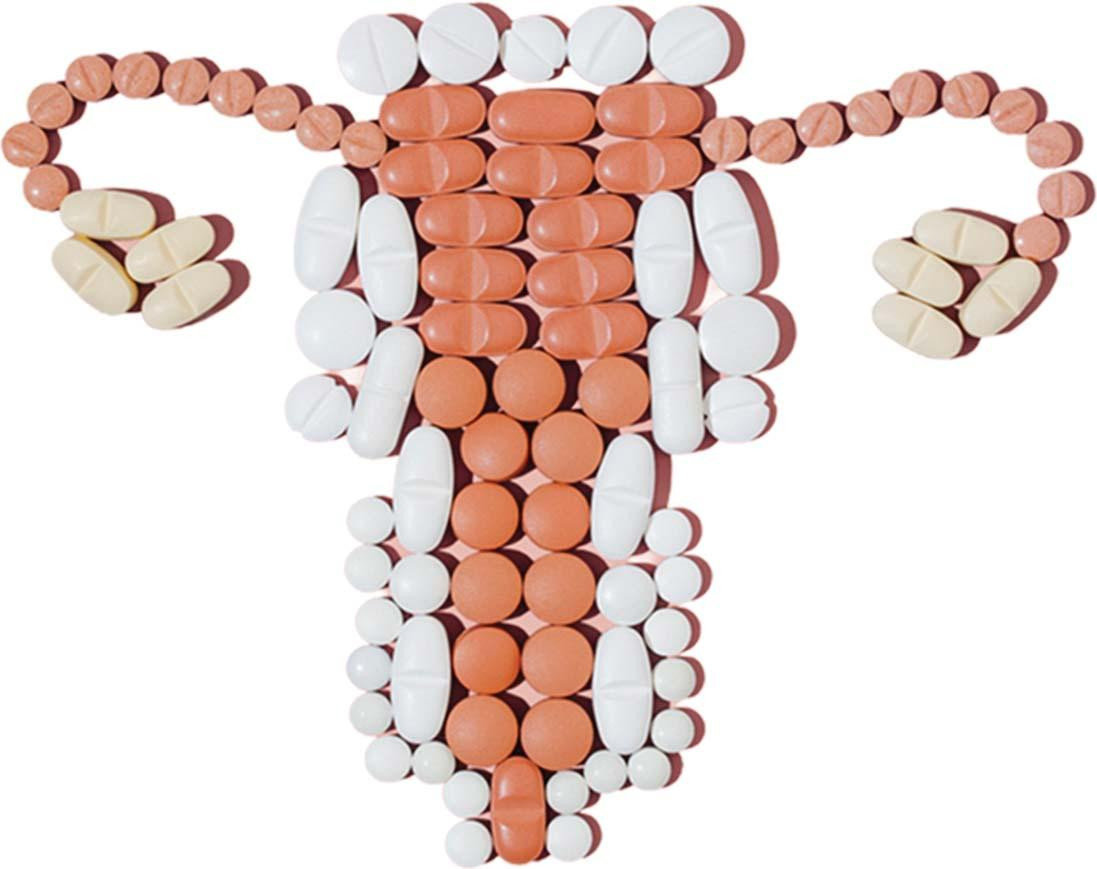
What do vaginal probiotics do?
Vaginal probiotics contain live microorganisms and come in oral and suppository forms. Some ads claim these products can prevent or treat infections. But the vagina regulates its own bacterial mix, so vaginal probiotics aren't necessary.
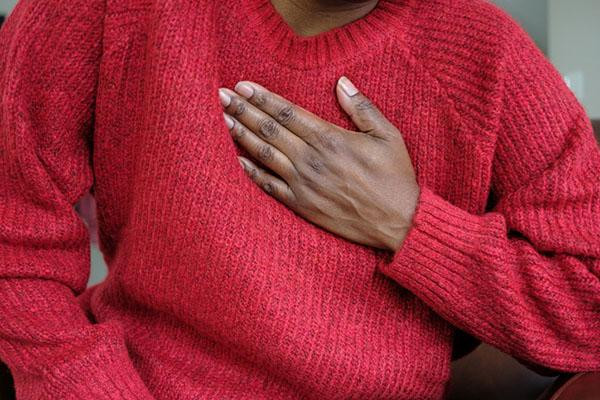
Heart failure symptoms in women: How they're different
After menopause, women develop heart failure at rates similar to men. But women tend to develop heart failure with preserved ejection fraction, which leads to more frequent hospitalizations. Women also have different risk factors for heart failure than men.
Reading the current blood pressure guidelines
Oat vs. dairy milk: Nutrition, benefits, and downsides
Microplastics: A hidden health threat?
Healing after food poisoning
What is tempeh? Benefits, nutrition, and how to use it
Light exposure at night may raise risk for heart disease
Whole grains may improve several heart risk factors at once
A lumbar belt may help ease low back pain
Children of centenarians may stay healthier and live longer too, study finds
Signs of pneumonia: Sometimes vague and unexpected
Free Healthbeat Signup
Get the latest in health news delivered to your inbox!
Sign Up
