

CoQ10: Should you take this popular supplement if you're on a statin?

Microplastics: A hidden health threat?

Oat vs. dairy milk: Nutrition, benefits, and downsides

What is tempeh? Benefits, nutrition, and how to use it

Healing after food poisoning

Children of centenarians may stay healthier and live longer too, study finds

Light exposure at night may raise risk for heart disease

Whole grains may improve several heart risk factors at once

A lumbar belt may help ease low back pain

Signs of pneumonia: Sometimes vague and unexpected
Women's Health Archive
Articles
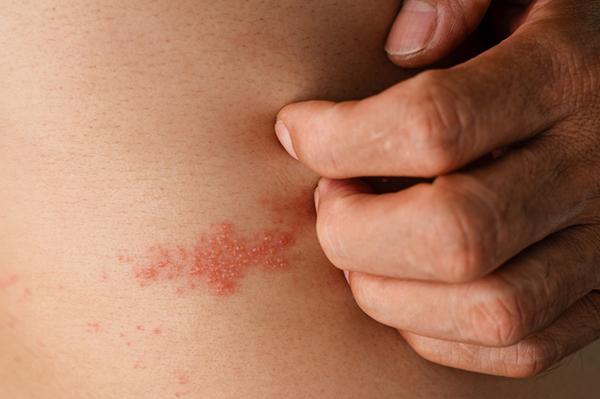
Can taking Valtrex for shingles affect my birth control?
Women on birth control who develop shingles may worry Valtrex could reduce protection. Find out if this antiviral impacts contraceptives.

Can my birth control pills change the dose of thyroid medication I need?
Find out how estrogen-containing birth control can affect thyroid hormone replacement, and why your levothyroxine dose may need closer monitoring.

What should pregnant women know about flu shots?
Pregnancy can change the balance of risks and benefits around flu vaccination. Key safety considerations may help guide a discussion with your obstetrician.

Do I need prolapse surgery?
For women with pelvic organ prolapse, surgery is typically considered when symptoms interfere with daily life and when conservative measures to relieve the symptoms have failed or are unappealing.

Musculoskeletal syndrome of menopause: When menopause makes you ache all over
Musculoskeletal syndrome of menopause is a newly recognized condition that links falling estrogen levels to widespread joint and muscle pain, stiffness, fatigue, and other symptoms. Estrogen loss at midlife can also reduce muscle mass and bone density.

Could my blood pressure medication be causing my hot flashes to return?
After starting treatment for high blood pressure, your hot flashes are back. Explore how medications and other conditions might be involved.

What should you do if you discover a lump in your breast?
A new breast lump can be alarming, but not all require immediate surgery. A doctor will determine the appropriate next steps, which may include medical tests.
Is your medication killing your sex drive?
Low libido can include both less desire for and less satisfaction with sex. A variety of medications can dampen sex drive by altering hormone levels or nerve signals, dulling sensation in the genitals, or triggering fatigue or mood changes. They include some antidepressants, cardiovascular drugs, antihistamines, antiseizure drugs, opioids, chemotherapy, hormone blockers, oral contraceptives, and fertility drugs. People whose medications affect their libido can ask their doctor to adjust the dose or timing or substitute another drug without sexual side effects.

Late-start hormone therapy: Safe or risky?
Guidelines recommend that women starting hormone therapy do so before age 60 and within 10 years of menopause onset. Starting later may raise the risks of heart attack, stroke, or dementia. Women who start hormone therapy at 70 or older face even greater cardiovascular risks.

Are those body aches a sign of gallstones?
Pain from gallstones (hardened, stonelike lumps of bile or other digestive fluids that block bile ducts) usually occurs in a distinct pattern. Gallstone attacks typically provoke steady, intense pain in the upper right abdomen that can radiate to the shoulder or back.
CoQ10: Should you take this popular supplement if you're on a statin?
Microplastics: A hidden health threat?
Oat vs. dairy milk: Nutrition, benefits, and downsides
What is tempeh? Benefits, nutrition, and how to use it
Healing after food poisoning
Children of centenarians may stay healthier and live longer too, study finds
Light exposure at night may raise risk for heart disease
Whole grains may improve several heart risk factors at once
A lumbar belt may help ease low back pain
Signs of pneumonia: Sometimes vague and unexpected
Free Healthbeat Signup
Get the latest in health news delivered to your inbox!
Sign Up
