

Light exposure at night may raise risk for heart disease

Whole grains may improve several heart risk factors at once

A lumbar belt may help ease low back pain

Children of centenarians may stay healthier and live longer too, study finds

Signs of pneumonia: Sometimes vague and unexpected

The surprising link between ovarian cancer and the fallopian tubes

Using a vibration plate: What it can — and can't — do for your body

People who walk more or walk faster live longer, study finds

For sleep apnea, a dental device may be as effective as CPAP

Rosacea treatments: What works?
Stroke Archive
Articles
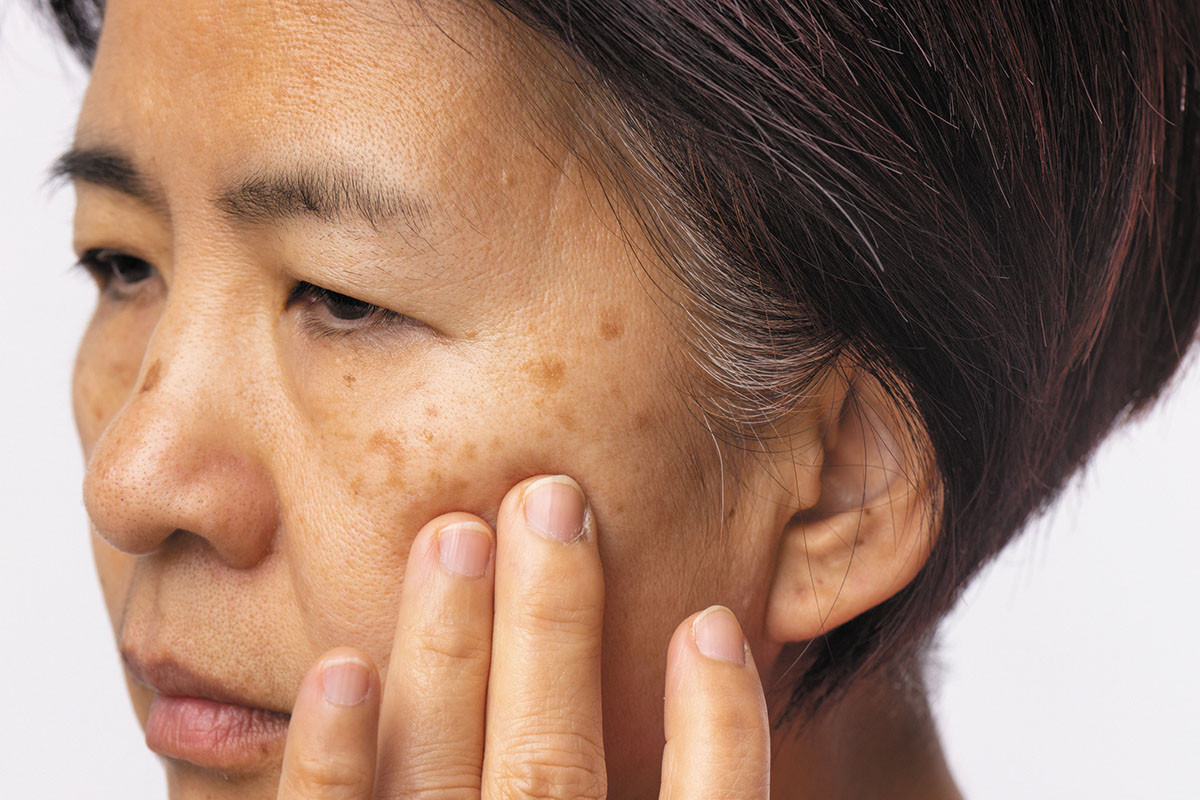
A mask that's hard to shed
Melasma, which causes dark patches on the face, is far more prevalent in women than in men. Dubbed the "mask of pregnancy," melasma triggers include not only pregnancy but also hormonal fluctuations, genetics, and sun exposure. People with darker skin are more prone to it. Melasma is typically treated with topical products that lighten the skin or slough off cells. Laser treatments and chemical peels, however, may worsen melasma. Sunscreen use can help prevent flares.

Short on slumber
Most adults need seven to nine hours of sleep each night, but more than one-third consistently sleep fewer than seven. Reasons for poor sleep include pregnancy, menopausal night sweats, medication use, sleep disorders, and various illnesses. Sleep deprivation can raise the risks for such conditions as diabetes, certain cancers, obesity, dementia, depression, and heart disease. To promote sounder sleep, people can keep consistent sleep-wake schedules, reduce intake of caffeine and alcohol, and avoid using electronic devices before bed.

Why won't my hives go away?
Hives are red, itchy welts that crop up on the skin. Allergic reactions and stress, among other triggers, can cause episodes of hives, which typically last several days to a couple of weeks. Cases that last six weeks or longer may be autoimmune hives.

What's that speck in my eye?
Floaters are shadows that develop in people's field of vision and become more noticeable in certain light. Aging, cataract surgery, and being nearsighted make floaters more likely.

Vaccination may protect against long COVID
Getting at least one dose of a COVID vaccine lowers the risk of developing long COVID even among people who were previously unvaccinated and recovered from COVID.

Try this: Take a seat
Regular meditation can lower blood pressure, reduce stress, and improve concentration. Practicing a simple 10-minute mantra-based meditation and observing mindfulness during everyday moments are ideal ways begin a meditation practice.

The skinny on fatty liver
The body's second largest organ, the liver is responsible for more than 500 bodily functions. One of the liver's greatest threats is nonalcoholic fatty liver disease (NAFLD), an umbrella term that includes several forms of liver disease. Most people with NAFLD have a type known as simple fatty liver. However, up to 20% of people with NAFLD develop inflammation in the liver known as nonalcoholic steatohepatitis (NASH). Left unchecked, this more dangerous form can progress into fibrosis (scarring) and potentially cirrhosis (severe scarring and liver damage). Lifestyle changes, such as weight loss, increasing exercise, and adopting a plant-based diet are the best means to manage and prevent NAFLD.

The dark side of daylight saving time
The start of daylight saving time in the spring can have a profound impact on people's well-being. Moving the clock ahead one hour can cause sleep deprivation, affect focus and concentration, and exacerbate existing problems like depression, anxiety, and seasonal affective disorder. People can lessen the effect by taking steps a week prior to the time change, such as adjusting their sleep schedule, getting more light exposure, and cutting back on caffeine and alcohol.

Hearing aids: Can they help thinking skills, too?
A 2022 review of dozens of randomized controlled trials and observational studies found that people who used hearing aids or cochlear implants had a 19% lower risk of cognitive decline, compared with people who didn't use the devices.

Harvard study: Shingles linked to a spike in risks for heart attack and stroke
A 2022 observational study that included more than 200,000 people found that those who'd had shingles at some point had a 30% higher long-term risk for a major cardiovascular event, compared with people who didn't have shingles.
Light exposure at night may raise risk for heart disease
Whole grains may improve several heart risk factors at once
A lumbar belt may help ease low back pain
Children of centenarians may stay healthier and live longer too, study finds
Signs of pneumonia: Sometimes vague and unexpected
The surprising link between ovarian cancer and the fallopian tubes
Using a vibration plate: What it can — and can't — do for your body
People who walk more or walk faster live longer, study finds
For sleep apnea, a dental device may be as effective as CPAP
Rosacea treatments: What works?
Free Healthbeat Signup
Get the latest in health news delivered to your inbox!
Sign Up
