

Whole grains may improve several heart risk factors at once

Light exposure at night may raise risk for heart disease

Children of centenarians may stay healthier and live longer too, study finds

A lumbar belt may help ease low back pain

Signs of pneumonia: Sometimes vague and unexpected

Using a vibration plate: What it can — and can't — do for your body

The surprising link between ovarian cancer and the fallopian tubes

People who walk more or walk faster live longer, study finds

Rosacea treatments: What works?
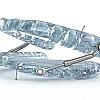
For sleep apnea, a dental device may be as effective as CPAP
Stroke Archive
Articles

Loneliness and isolation raise risk for stroke and heart disease, study suggests
Loneliness and isolation are associated with an increased risk for developing coronary artery disease (CAD) and stroke.

Therapy beats drugs for chronic insomnia
The American College of Physicians recommends cognitive behavioral therapy for insomnia (CBT-I) as a first line of defense for chronic insomnia, instead of sleep medications.

Loneliness has same risk as smoking for heart disease
Loneliness and social isolation raises your risk of heart attack, stroke, and even early death, says a new study. The risk was similar to light smoking or obesity.

Getting protection from bug-borne illnesses
This summer, it's especially important to take precautions against mosquitoes and ticks.
Image: Rene Drouyer/Thinkstock
You're no doubt aware that a mosquito bite can transmit the Zika virus and that pregnant women infected with the virus may have babies with microcephaly—incomplete brain development. Although Zika is getting the most attention this summer, mosquitoes and ticks carrying the pathogens responsible for other conditions, including West Nile fever, Lyme disease, encephalitis, and Rocky Mountain spotted fever, are still at large in areas of the United States.
While scientists work to develop vaccines against these illnesses, the best protection is still prevention. "One thing everyone can do is to reduce their risk of exposure," says Dr. Mary E. Wilson, adjunct associate professor of global health and population at the Harvard T.H. Chan School of Public Health. Getting the best protection depends on the type of bug you're protecting yourself against.

Don’t accept a diminished sex life as a “side effect” of illness
Living with a chronic condition or as a survivor of cancer or a heart attack needn't take a toll on intimate relationships.
Image: Jack Hollingsworth/Thinkstock
Strategically timing when you take pain medication can make sex more comfortable.
Sexual satisfaction is an important part of well-being, yet women who have been successfully treated for cancer or are living with chronic conditions often accept a diminished sex life as a trade-off for being alive. "Women with cancer go through surgery, chemotherapy, and radiation in order to be alive, but once they're through treatment they may not feel as though they are really living to the fullest," says Dr. Sharon Bober, a psychologist at Harvard-affiliated Dana-Farber Cancer Institute. Women with cardiovascular disease, diabetes, and arthritis may also feel that their health issues have eroded their intimate relationships.

Endometriosis linked to increased risk of heart disease
Women who have a history of endometriosis—a risk factor for cardiovascular disease—should take measures to reduce their other cardiovascular risk factors.
Prompt attention to “ministrokes” may reduce risk of subsequent stroke
Getting immediate attention for symptoms of a transient ischemic attack can minimize the risk of a subsequent stroke.
What to do about a high blood pressure diagnosis
A high blood pressure diagnosis can come as a shock due to a lack of symptoms, but the condition is manageable. Dr. Naomi Fisher explains what to do after you are diagnosed.
Concern about recurring hiccups
Hiccups are often caused by many everyday situations, including distention of the stomach (which can be the result of overeating), swallowing air, or drinking carbonated beverages. They usually go away on their own, but episodes that last longer than 48 hours could be a sign of certain medical problems.

Too much of a good thing?
Proton-pump inhibitors are among the most-prescribed medications, but is long-term use safe?
Proton-pump inhibitors reduce stomach acid, which helps to treat symptoms of acid reflux.
Image: kamontad123/Thinkstock
Proton-pump inhibitors (PPIs), which are used to treat a variety of gastrointestinal problems, are among the most popular drugs in the United States. In fact, the FDA estimates about one in 14 Americans has used a PPI.
Whole grains may improve several heart risk factors at once
Light exposure at night may raise risk for heart disease
Children of centenarians may stay healthier and live longer too, study finds
A lumbar belt may help ease low back pain
Signs of pneumonia: Sometimes vague and unexpected
Using a vibration plate: What it can — and can't — do for your body
The surprising link between ovarian cancer and the fallopian tubes
People who walk more or walk faster live longer, study finds
Rosacea treatments: What works?
For sleep apnea, a dental device may be as effective as CPAP
Free Healthbeat Signup
Get the latest in health news delivered to your inbox!
Sign Up
