

Whole grains may improve several heart risk factors at once

Light exposure at night may raise risk for heart disease

Children of centenarians may stay healthier and live longer too, study finds

A lumbar belt may help ease low back pain

Signs of pneumonia: Sometimes vague and unexpected

Using a vibration plate: What it can — and can't — do for your body

The surprising link between ovarian cancer and the fallopian tubes

People who walk more or walk faster live longer, study finds

Rosacea treatments: What works?

For sleep apnea, a dental device may be as effective as CPAP
Stroke Archive
Articles

When to treat a narrowed heart artery
Ask the doctor
Q. A test showed a 50% blockage in one of my major heart arteries. That sounds pretty bad to me, but the cardiologist said I didn't need a stent. Why?
A . Your reaction is not unusual. Many people find it hard to understand why that degree of blockage wouldn't be treated with a stent—a tiny, flexible mesh tube that props open a newly cleared artery. But while stents can be helpful, they're not risk-free. The procedure to open the artery (angioplasty) involves threading a balloon-tipped tube from the wrist or the top of the thigh up to the heart. Minor risks include discomfort and bleeding at the insertion site. Rare but more serious risks (such as a heart attack) occur in about 3% of people undergoing the procedure. And to prevent blood clots at the stent site, people need to take anti-clotting medications for up to a year afterward.

Artery disease below the belt
Peripheral artery disease can be debilitating and dangerous.
Most often, concern about atherosclerosis (when fatty deposits clog arteries) centers on the coronary arteries, which serve the heart. But the arteries outside the heart—the so-called peripheral arteries—are also vulnerable.
When you're active, your leg muscles need extra oxygen. But narrowed arteries in the legs can't deliver enough blood and oxygen to keep up with the demand. The result is pain in the calf, thigh, or buttock while walking that goes away with rest. Known as claudication, it's the classic symptom of peripheral artery disease (PAD). But many people with PAD either don't have symptoms or mistake them for another problem. As a result, PAD often goes unrecognized.

Sleep apnea solutions that lower cardiovascular risks
Image: Bigstock
Devices to treat nighttime breathing problems may help lower blood pressure and reduce the harm to your heart.
Peaceful slumber is often a pipe dream for people with obstructive sleep apnea. More than 25 million Americans have this problem, in which the tongue or throat tissue temporarily blocks the airway during sleep. The resulting pauses in breathing (called apneas) lead to explosive snoring or gasping for breath—sometimes more than 30 times per hour.
Numb hand: Should you worry?
Ask the doctor
Q. My right hand goes numb when I open a can or use hand tools. Is this something I need to worry about? Do I have carpal tunnel syndrome?
A. The hand receives its sensory information from three different nerves, and irritation of any of them can lead to numbness. In the hand, numbness is often related to the way that the nerve is compressed or squeezed slightly when you bend your wrist, as happens when you open a can. Excess vibration or repetitive hand motion when you use tools may also cause numbness.

Got a bum knee? Here is what to do
If knee pain and swelling are severe an are not getting better, see your primary care doctor for a thorough evalucation. Image: Thinkstock
Arthritis is not the only possible cause of knee pain, swelling, and disability.

Your stroke prevention action plan
Image: Bigstock
You get the most bang for your buck from keeping blood pressure in the normal range, but don't skip the other things.
Many tasks are required to run a household. There are groceries to shop for, broken things to fix, and windows to wash. But you need to prioritize: it makes no sense to worry about the weeds in the garden if the mortgage payment is overdue.

Deep-vein blood clots: Know the signs
Image: Thinkstock
Clots in the lungs are twice as deadly as heart attacks.
If you scrape your leg, blood clots come to the rescue to heal the wound. But if a blood clot forms deep inside a leg vein, it's a different story. Known as a venous thrombosis—a term meaning "blood clot in a vein"—this type of clot can cause pain, swelling, and redness in the affected limb. When one forms in a leg or arm, it's called deep-vein thrombosis (DVT). But the real threat happens if the clot breaks off and travels to the lungs, causing a pulmonary embolism.

How old is your heart?
To use the online heart age calculator, the only numbers you need are your height, weight, and blood pressure reading.
Most Americans are not as young at heart as they might like to believe. More than three in four adults have a "heart age" that's greater than their chronological age, according to federal health officials.
A different kind of heart attack
Image: Thinkstock
Squeezing chest pain isn't always from a blocked artery.
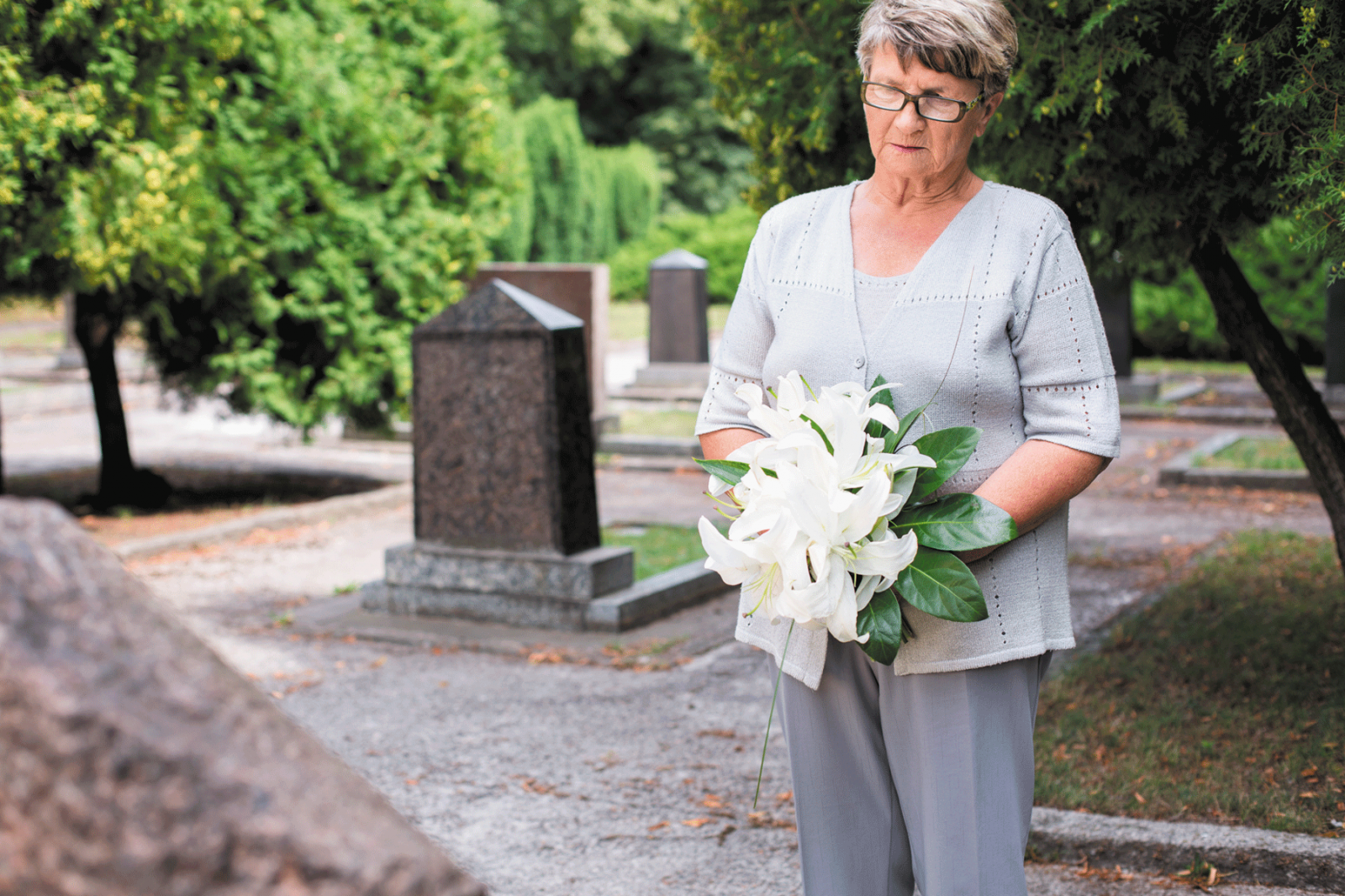
Classic heart attack symptoms—severe pressure, heaviness, or pain in the chest—most often arise from a blockage in a coronary artery that prevents blood from reaching the heart muscle. But a lesser-known condition, called takotsubo cardiomyopathy, can produce the same sudden heart symptoms even when the coronary arteries are clear.
Too much or too little sleep linked to stiffer arteries
Image: Thinkstock
Research we're watching
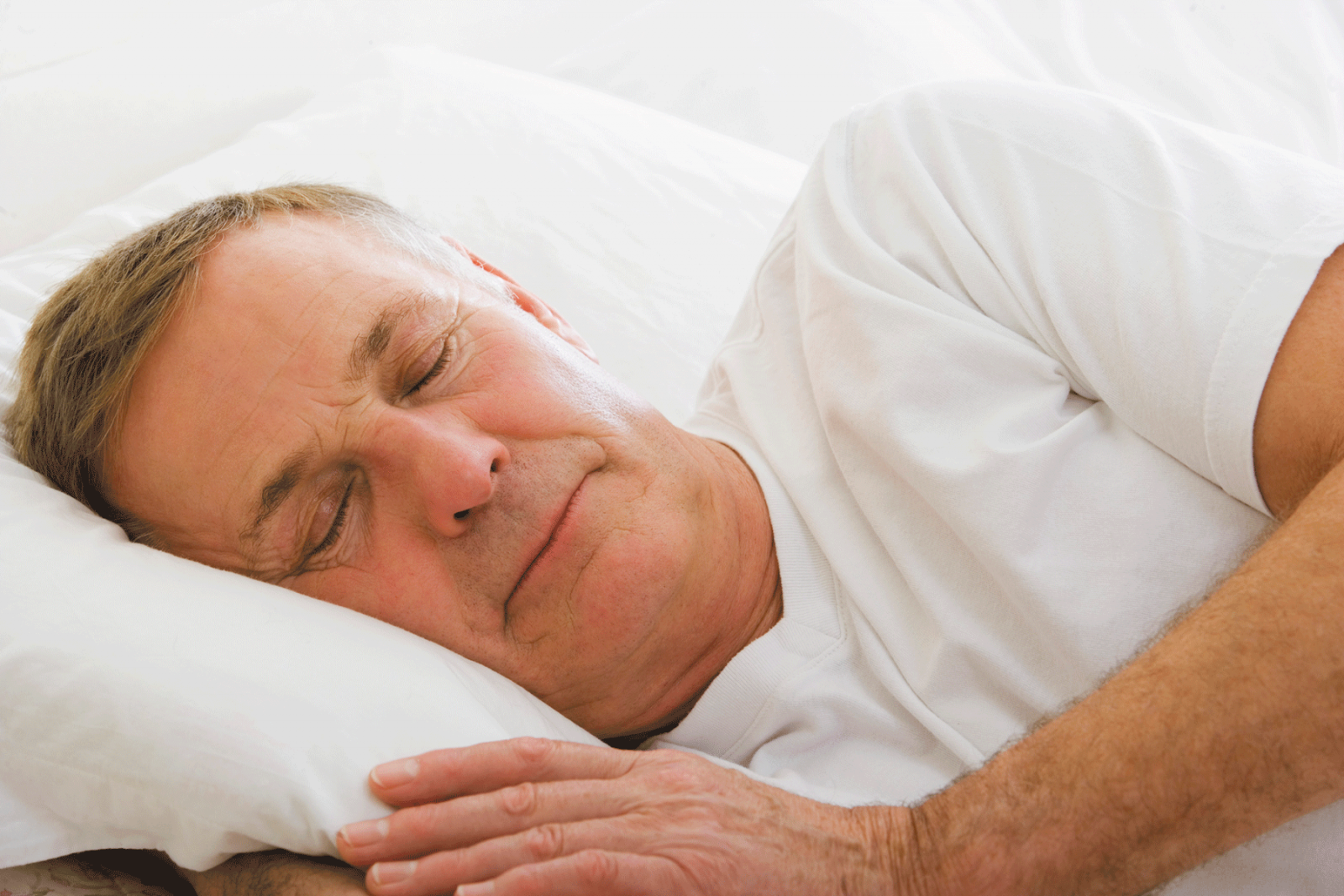
People who sleep too much or too little may be more likely to have early signs of heart disease, according to a study of more than 47,000 apparently healthy young and middle-aged adults.
The study volunteers filled out sleep questionnaires and underwent tests to assess the arteries in their hearts and legs. Researchers found that people who slept for nine or more hours per night had more calcium buildup in their heart artery walls and stiffer leg arteries than those who slept seven hours per night. These early signs of heart disease were also more prevalent in people who logged five or fewer hours of sleep per night and in people who reported poor sleep quality.
Whole grains may improve several heart risk factors at once
Light exposure at night may raise risk for heart disease
Children of centenarians may stay healthier and live longer too, study finds
A lumbar belt may help ease low back pain
Signs of pneumonia: Sometimes vague and unexpected
Using a vibration plate: What it can — and can't — do for your body
The surprising link between ovarian cancer and the fallopian tubes
People who walk more or walk faster live longer, study finds
Rosacea treatments: What works?
For sleep apnea, a dental device may be as effective as CPAP
Free Healthbeat Signup
Get the latest in health news delivered to your inbox!
Sign Up
