

Whole grains may improve several heart risk factors at once

Light exposure at night may raise risk for heart disease

Children of centenarians may stay healthier and live longer too, study finds

A lumbar belt may help ease low back pain

Signs of pneumonia: Sometimes vague and unexpected

Using a vibration plate: What it can — and can't — do for your body

The surprising link between ovarian cancer and the fallopian tubes

People who walk more or walk faster live longer, study finds

Rosacea treatments: What works?

For sleep apnea, a dental device may be as effective as CPAP
Stroke Archive
Articles

Not satisfied with your sex life?
Image: Thinkstock
Erectile dysfunction is common, but it's not always the problem. A doctor can help you get to the bottom of it.
Erectile dysfunction (ED) is difficulty either getting or maintaining an erection firm and lasting enough for a satisfying sexual encounter. The most common cause is inadequate blood supply to the spongy tissues in the penis that provide rigidity. That's a straightforward "plumbing problem" that can usually be treated with medication. But there are other possible causes, too.

Will Prozac help my premenstrual depression?
Ask the doctor
Q. I've had some severe bouts of depression before my periods. I have done my own research and I am willing to try an antidepressant. What dosage of Sarafem or Prozac is usually given to treat this?
A. Selective serotonin reuptake inhibitors (SSRIs) are an excellent option for treating premenstrual syndrome (PMS) and premenstrual dysphoric disorder (PMDD). In fact, most physicians now consider them first-line therapy. Many different SSRIs have been studied, including the one you asked about—fluoxetine (Prozac or Sarafem)—and they all appear to be equally effective.
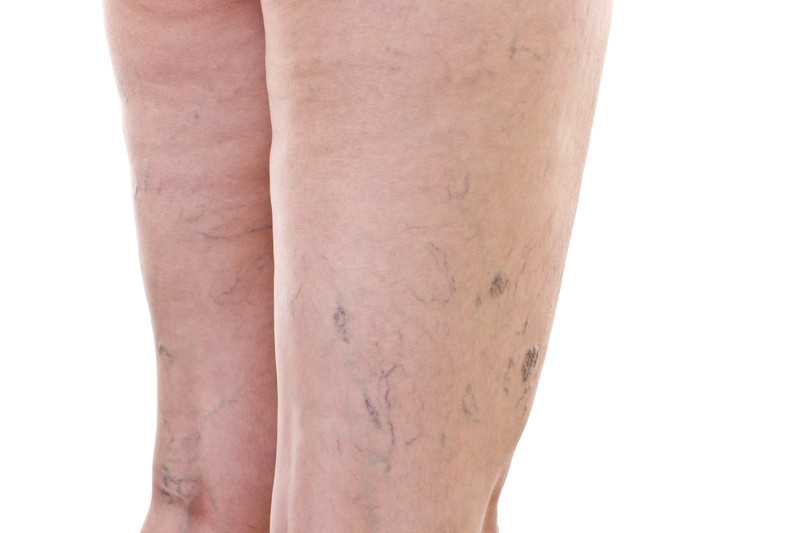
Vanquishing varicose veins
Image: Bigstock
The raised, tortuous vessels may be controlled with support hose, and they can be eradicated in a quick, outpatient procedure.
Varicose veins are one cardiovascular condition that usually isn't considered serious or life-threatening. Around half of all women have them, and most regard them as a cosmetic annoyance. However, they can be responsible for swollen legs, skin changes, and the development of leg ulcers.

Study suggests tai chi improves life for people with chronic health problems
Image: Thinkstock
Research we're watching
An analysis published online Sept. 17, 2015, by the British Journal of Sports Medicine suggests that doing tai chi enhances the quality of life for people with common chronic conditions.
Researchers analyzed data from 33 studies involving nearly 1,600 adults. Most were in their 60s or 70s, and all had one or more chronic conditions: osteoarthritis, breast cancer, heart failure, or chronic obstructive pulmonary disease (COPD). All 290 participants in the breast cancer studies were women. There were 452 women (85% of participants) in the arthritis studies, 76 (16%) in the heart failure studies, and 92 (19%) in the COPD studies.
Ask the doctor: Do I need gallbladder surgery?
Q. I've been having abdominal pain that may be due to gallstones. Is surgery the best solution, or are there other things I can try first?
A. The first thing to determine is whether your abdominal pain is in fact due to gallstones. They typically cause pain on the upper right side or in the center of the abdomen just below the breastbone that radiates to the back or right shoulder. The pain is often brought on by eating—especially fatty foods—or may occur at night. Sometimes gallstone pain is accompanied by sweating, bloating, nausea, or vomiting.

Research we're watching: Working overtime may raise stroke risk
If you're "leaning in" by putting in extra hours on the job, you may be gaining gender equality that you don't want—the same stroke risk as your male colleagues. A recent analysis indicates that women who work 55 hours or more per week have a 30% higher risk of having a stroke than those working standard hours, making them just as likely to have a stroke as their male counterparts.
Image: Thinkstock |
The analysis, published online Aug. 20, 2015, by The Lancet, was conducted by European public health re-searchers. It involved data from over 600,000 women and men enrolled in long-term observational studies in Europe and the United States. It was the first such analysis of the relationship between working long hours and stroke. The researchers noted several factors that might have contributed to the elevated stroke risk, including the additional stress of balancing the extra work hours, inactivity, long periods of sitting, and ignoring stroke warning signs.

Is your heartburn pill working for you?
| Image: iStock |
For optimal results, you need to take your medication regularly and time it correctly to your meals.
Have you tried to cool the burning discomfort of heartburn with medication and failed to get full relief? If so, a few simple adjustments to optimize your treatment may be all you need.
Cardioversion for afib
Ask the doctor
Q. I am scheduled for an electrical cardioversion for my atrial fibrillation. What should I expect?
A. Electrical cardioversion is a procedure to convert a fast or irregular heartbeat (such as what happens with atrial fibrillation, or afib) to a normal rhythm. Before the procedure, your cardiologist may recommend a special ultrasound test of your heart to check for blood clots. Cardioversion may dislodge any clots, which can be life-threatening. So if clots are found, the procedure may be delayed for a few weeks, so you can take blood-thinning medications to lower your risk of complications such as stroke.

Longer work hours may boost stroke risk
Image: Thinkstock
Research we're watching
People who work long hours may face a higher risk of stroke, according to a study published online Aug. 20, 2015, by Lancet.
Researchers pooled data from 17 studies from the United States, Europe, and Australia that followed more than 528,000 workers for an average of just over seven years. None of the participants had cardiovascular disease when they signed up for the studies.

4 vaccinations you may need
Adults need an annual flu shot and a Tdap booster every 10 years. People over 60 need a shingles shot, and those over 65 should have two pneumonia vaccines.
Whole grains may improve several heart risk factors at once
Light exposure at night may raise risk for heart disease
Children of centenarians may stay healthier and live longer too, study finds
A lumbar belt may help ease low back pain
Signs of pneumonia: Sometimes vague and unexpected
Using a vibration plate: What it can — and can't — do for your body
The surprising link between ovarian cancer and the fallopian tubes
People who walk more or walk faster live longer, study finds
Rosacea treatments: What works?
For sleep apnea, a dental device may be as effective as CPAP
Free Healthbeat Signup
Get the latest in health news delivered to your inbox!
Sign Up
