

Whole grains may improve several heart risk factors at once

Light exposure at night may raise risk for heart disease

Children of centenarians may stay healthier and live longer too, study finds

A lumbar belt may help ease low back pain

Signs of pneumonia: Sometimes vague and unexpected

Using a vibration plate: What it can — and can't — do for your body

The surprising link between ovarian cancer and the fallopian tubes

People who walk more or walk faster live longer, study finds

Rosacea treatments: What works?

For sleep apnea, a dental device may be as effective as CPAP
Stroke Archive
Articles

Should all hemorrhoids be treated?
Ask the Doctor
Q. I had a colonoscopy recently and it detected hemorrhoids. I don't have any symptoms. Should I be doing something to get rid of them?
A. Like you, approximately 40% of people with hemorrhoids have none of the common symptoms—bleeding, anal itching, and pain. Their hemorrhoids may be found on a routine physical examination or during a test done for other reasons, such as a colonoscopy for colon cancer screening.

Sidestepping big-toe woes
Wearing high heels with pointed toes is a major cause of bunions. |
For many women, bunions and rigidity are two of the most common—and painful—problems with the big toe. Both are easily treated.
Afib cases increasing; pay attention to underlying health conditions
Atrial fibrillation (afib) is affecting far more people than it did 50 years ago, according to a study published July 11, 2015, in The Lancet. Afib is an irregular heartbeat that makes the heart's upper chambers (the atria) quiver, rather than pump steadily. This can lead to the formation of blood clots, which can travel in the blood to the brain and cause a stroke. The Lancet study found that afib cases quadrupled from 1958 to 2007 among 9,500 people. But there is some encouraging news: the study also found that the risk of stroke associated with afib decreased 74% in the last 50 years, and the risk of death decreased 25%.
Why the ups and downs? Researchers point to epidemics of obesity and diabetes as part of the reason, as well as increased awareness of the condition and better detection methods. Meanwhile, improved recognition and treatment of other diseases, such as high blood pressure, may be helping to reduce the cases of stroke and early death linked to afib. So, this study provides further evidence of the importance of maintaining a healthy weight and keeping blood sugar, blood pressure, and cholesterol under control. In addition to reducing the risk of heart disease, stroke, diabetes, and other illnesses, you also reduce the risk of getting afib and developing complications from it.
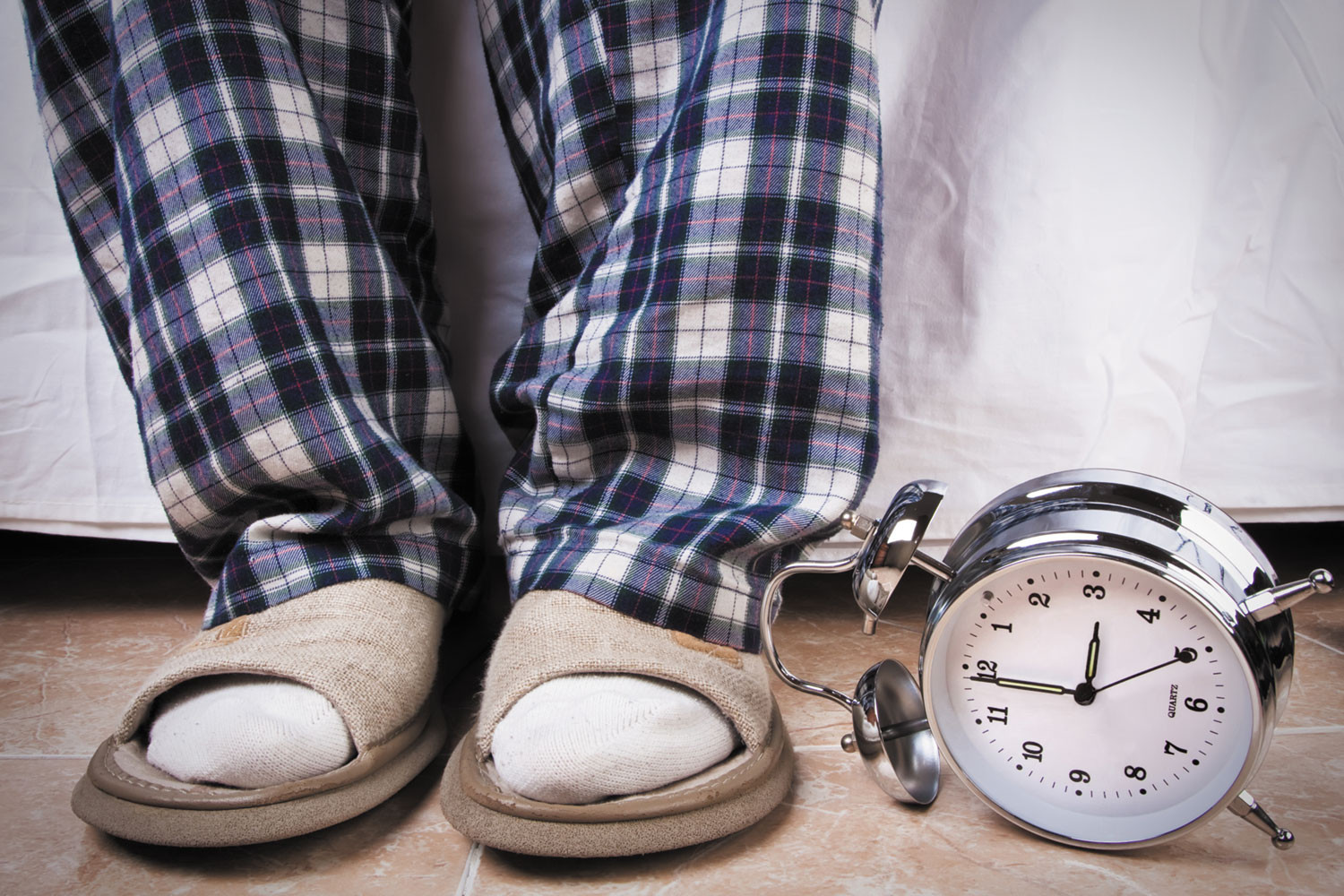
Frequent nighttime urination
Having to rise from bed to hit the bathroom even once can be bothersome if it disturbs your sleep rhythm. Image: Thinkstock |
Repeated nocturnal bathroom calls are bothersome, but self-help steps and targeted treatment offer relief.
Ask the doctor: Statins and liver tests
Q. My doctor used to check my liver function once a year after I started taking a statin drug to lower my cholesterol, but he doesn't anymore. Why not?
A. Your doctor appears to be following the latest recommendations from the American Heart Association and the FDA. When statin medications were first approved, doctors did periodic blood tests to check for liver injury. Three decades later, it is clear that serious liver injury from statins is a rare side effect and that routine blood testing does not help identify people at risk for statin-related liver problems. Therefore, routine monitoring is not a good use of money and time.

Secondhand smoke boosts stroke risk
| Image: iStock |
Being near a smoker forces you to breathe what that person exhales as well as what wafts from the burning end of the cigarette. This so-called secondhand smoke has been linked to a host of health problems, including lung cancer, heart attack, and stroke. Now, a large study further validates earlier research about the risk of stroke caused by secondhand smoke.
The study, published online June 16 by the American Journal of Preventive Medicine, included nearly 22,000 people ages 45 and older. Almost a quarter of the participants reported secondhand smoke exposure, which was defined as more than one hour per week in close contact with a smoker. After adjustment for other stroke risk factors, there was a 30 percent increase in the overall risk of stroke among people exposed to secondhand smoke.
Low-dose aspirin for people with heart disease
If you have heart disease, national guidelines recommend that you take a low-dose (81-mg) aspirin every day. It's an inexpensive and effective way to lower your risk of a heart attack or stroke. According to a report in the July 17 Morbidity and Mortality Weekly Report, about seven in 10 adults with heart disease follow this advice.
The study relied on telephone surveys done by the CDC about health behaviors. It included data from more than 17,900 adults from 20 states and the District of Columbia.

Getting in shape may improve afib symptoms
Image: iStock |
Boosting your fitness level may help decrease the symptoms of the most common heart rhythm disorder, according to a study published online June 22 by the Journal of the American College of Cardiology. The disorder—atrial fibrillation, or afib—causes an irregular, rapid heartbeat that can lead to shortness of breath, dizziness, and fainting.
The study included 308 people with afib who were also overweight or obese, a condition that raises the risk of afib. The participants answered questions about their afib symptoms and underwent tests to determine their fitness levels, which were described in metabolic equivalents, or METs. (METs measure your level of exertion and are based on how much oxy-gen your body uses during activities; sitting still is 1 MET, and brisk walking is 3.)
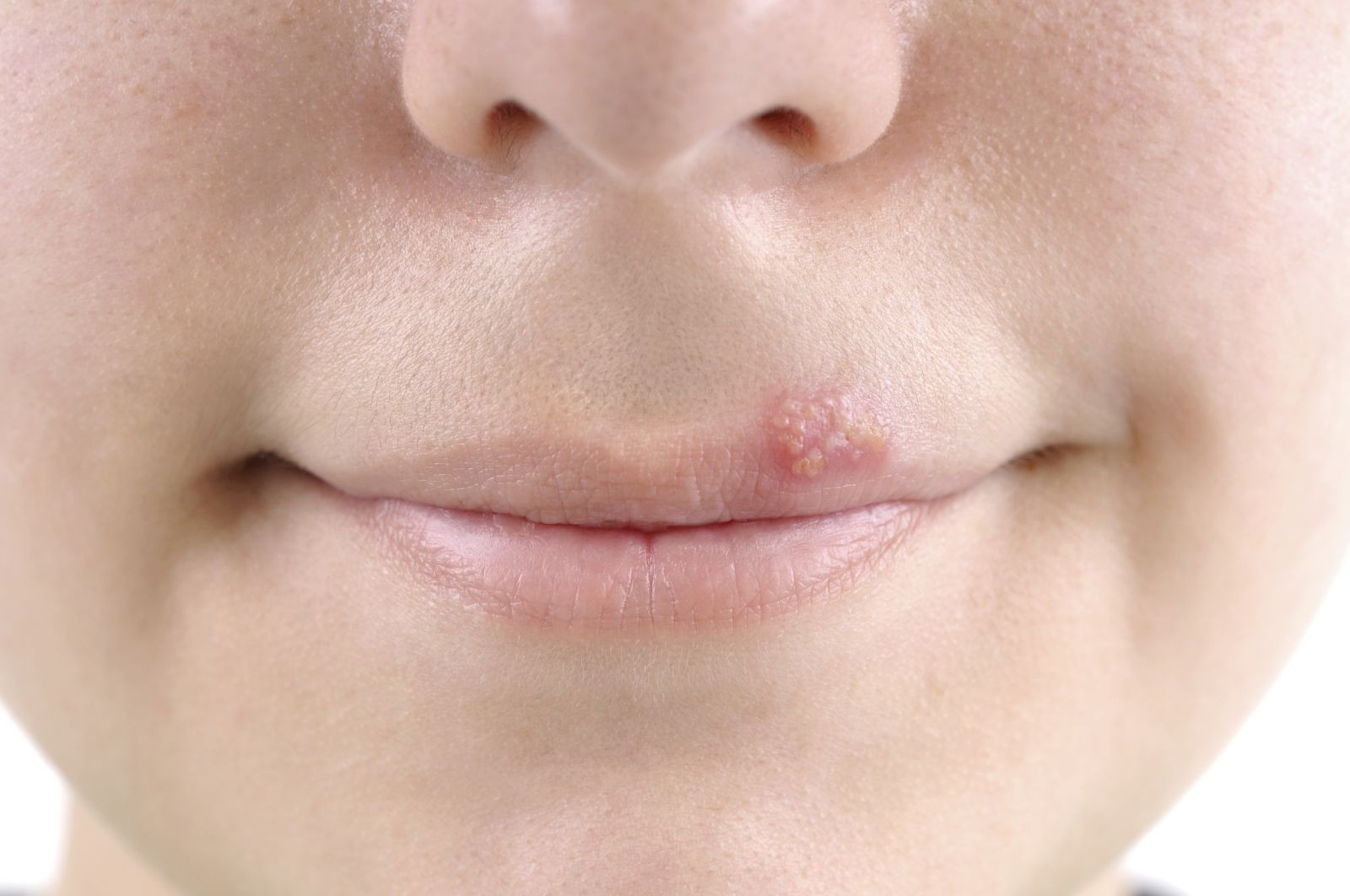
Preventing cold sores
Ask the doctor
Q. What's the fastest way to get rid of a cold sore? Is it possible to prevent them?
A. Cold sores, also called fever blisters, are bothersome and painful fluid-filled blisters on or around the lips. They are caused by infection with herpes simplex virus (usually type 1). Cold sores heal on their own in seven to 10 days. However, antiviral medications can modestly shorten the healing period. One-day treatment with the prescription antiviral drugs famciclovir (Famvir) or valacyclovir (Valtrex) shortens cold sore symptoms by one to two days. These oral medications are most effective when taken at the first sign of a cold sore, such as a burning or tingling sensation. Antiviral creams are less effective and need to be applied several times daily for five days.
Traffic noise may raise stroke risk
A constant drone of low-level traffic noise may slightly raise your risk of cardiovascular disease, according to British researchers.
The study included data from the nearly 450,000 people admitted to London hospitals with cardiovascular disease over an eight-year period. Researchers estimated how much traffic noise these people were exposed to, day and night.
Whole grains may improve several heart risk factors at once
Light exposure at night may raise risk for heart disease
Children of centenarians may stay healthier and live longer too, study finds
A lumbar belt may help ease low back pain
Signs of pneumonia: Sometimes vague and unexpected
Using a vibration plate: What it can — and can't — do for your body
The surprising link between ovarian cancer and the fallopian tubes
People who walk more or walk faster live longer, study finds
Rosacea treatments: What works?
For sleep apnea, a dental device may be as effective as CPAP
Free Healthbeat Signup
Get the latest in health news delivered to your inbox!
Sign Up
