

Whole grains may improve several heart risk factors at once

Light exposure at night may raise risk for heart disease

Children of centenarians may stay healthier and live longer too, study finds

A lumbar belt may help ease low back pain

Signs of pneumonia: Sometimes vague and unexpected

Using a vibration plate: What it can — and can't — do for your body

The surprising link between ovarian cancer and the fallopian tubes

People who walk more or walk faster live longer, study finds

Rosacea treatments: What works?

For sleep apnea, a dental device may be as effective as CPAP
Stroke Archive
Articles

A warning about heartburn medications that contain aspirin
The FDA is warning that over-the-counter antacids with aspirin in them can cause stomach bleeding in rare cases.

Fitness in midlife may fend off strokes later
People who are more physically fit in their mid-to-late 40s may be less likely to have a stroke after age 65 than those who are less fit.

The major impact of ministrokes
Often referred to as a ministroke , a transient ischemic attack, or TIA, often lasts only minutes, but acts as a warning for a potential full stroke.
Stumble walking across the room? You simply aren't watching your step. Forget a name or can't get out the right words? It's just a fuzzy senior moment. Feeling a little dizzy? You only need to sit down for a second.
Gum disease may signal warning for pancreatic cancer
Research has found that people with high levels of the oral bacteria Porphyromonas gingivalis had a 59% greater risk of developing pancreatic cancer. It is too early to say whether this specific bacterium directly contributes to the disease. However, one theory is that since inflammation is related to cancer, the bacteria could cause inflammation in the pancreas. Another possibility is the bacteria are simply a marker for cancer-causing inflammation.

Unveiling post-traumatic stress disorder
Often considered an ailment of only military veterans, this condition also can affect many older men.
Image: Devoryou/Thinkstock
Mention post-traumatic stress disorder (PTSD), and most people immediately think of military veterans. While this group is highly susceptible to PTSD, research has shown that older adults, specifically men, are also vulnerable.
PTSD is a potentially debilitating condition that can occur in people who have experienced a natural disaster, war, terrorism, serious accident, violent personal assault, or similar traumatic event.

Attack of the gallstones
They affect more women, but men still are at risk.
Image: iStock
Most people never think about gallstones—that is until they experience the severe, gut-piercing pain of a gallstone attack. "These often strike after eating, especially a high-fat or high-cholesterol meal, and can last about 30 minutes to two or more hours," says Dr. William Brugge, past director of gastrointestinal endoscopy at Harvard-affiliated Massachusetts General Hospital.
The attacks often begin in the upper-right side of the abdomen and may spread to the back, between the shoulder blades, and under the right shoulder. Nausea or vomiting may also occur.
Drug no better than aspirin for stroke prevention
A study found that the drug ticagrelor (Brilinta) was no better than aspirin at preventing stroke among people who had a mild stroke or a transient ischemic attack (TIA), which mimics stroke-like symptoms. However, ongoing research may show benefits in using the drug in combination with aspirin.
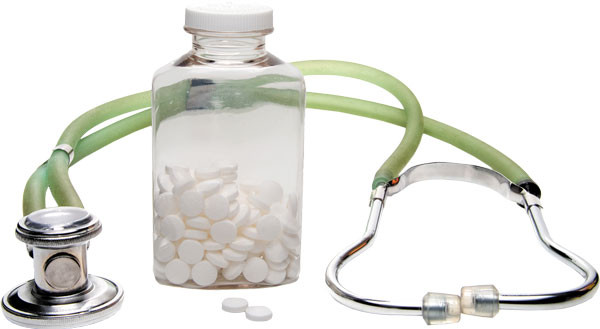
Why you should always have aspirin on hand
This old standby may not be your first choice for pain relief, but it still has an important role in disease prevention and first aid.
Image: Thinkstock
We have a lot to thank aspirin for. It's cheap and plentiful. It does a good job of relieving pain and bringing down fevers. It has also been shown to reduce the risk of heart attack, stroke, and colon cancer. It can even stop heart attacks and strokes in their tracks. In fact, if you're in your 50s or 60s, you may want to think about taking a low-dose aspirin every day.
After evaluating the results of scores of studies, in April 2016 the U.S. Preventive Services Task Force (USPSTF) recommended that women and men ages 50 through 69 who have a 10% risk of a heart attack or stroke in the next 10 years take 81 milligrams (mg) of aspirin daily. Under the previous recommendations—which, were different for men and women—daily low-dose aspirin was advised for women ages 60 through 79 who were at increased risk for cardiovascular events. The recommendation was revised to reflect a new method of calculating the risk of heart attack and stroke and of increased risk of bleeding in older people.
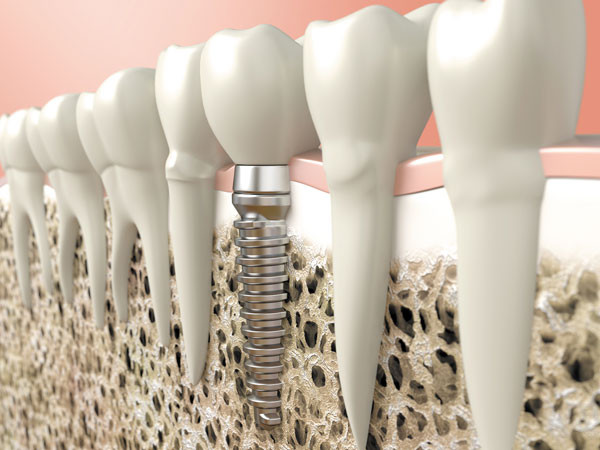
Dental implant reality check
Are these advances in dental health right for you?
Image: GuidoVrola/Thinkstock
Tooth decay, gum disease, and injury to the mouth can all lead to the loss of one or more teeth. The standard solution usually involves removable dentures or a fixed bridge. A newer option, dental implants, is also gaining popularity. "Implants can significantly improve your quality of life," says Dr. German Gallucci, department chair of restorative dentistry at the Harvard School of Dental Medicine.
About implants
Uses and benefits
In older adults, implants are typically used to replace one or two missing teeth (but not a mouthful). "Before implants, the only option we had was a bridge. With the implant, you can independently restore the tooth. That's a significant improvement in our therapy, to the point that we have reduced the number of bridges we do nowadays," says Dr. Gallucci.
Implants are also used to anchor a bridge or dentures. "Without implants, dentures move while you eat or speak, which makes it difficult to do either. But when you clip the denture onto an implant, it stays in place and functions normally," says Dr. Gallucci. He says supporting dentures or bridges may require two or more implants.
Requirements
Considerations
There are few downsides to getting implants. One is cost. "The range varies from state to state. It could be between $2,000 and $6,000 for one tooth and crown. But that's comparable to a bridge," says Dr. Gallucci.
Some insurance plans cover implants, especially for a missing tooth. Medicare does not pay for implants.
Another drawback: the time involved in healing. But the benefits, says Dr. Gallucci, can be worth it.
If you're interested in pursuing implants, he recommends getting several opinions. You can start by making an appointment with either a dentist who's surgically trained to place implants and has years of experience, or a prosthodontist—an expert in tooth restoration and replacement.
What to eat when your teeth and gums hurtIt's common after oral surgery to have some pain for a day or two, or even longer. This may mean that you have to be especially mindful of what you eat and drink. Sensitivity to hot and cold items is typical. But even the act of chewing can be uncomfortable. What's best to eat? "Avoid crunchy and sticky foods and stick to a soft diet," says Dr. German Gallucci, a restorative dentistry expert at the Harvard School of Dental Medicine. "Go with soups, pastas, yogurt, and even baby food." He advises avoiding the side of your mouth that's been operated on, and eating only small bites of food that keep your teeth from making forceful contact. Other tips: Avoid anything very hot on the first day after surgery, as heat can increase the risk of bleeding; drink a lot of fluid, at least five or six cups per day; and baby yourself. "Give your mouth a chance to heal," he says. |
Can stem cells treat eye disease?
Stem cell research has led to techniques to restore vision in animals and to grow new, healthy lenses in human babies born with cataracts.
Whole grains may improve several heart risk factors at once
Light exposure at night may raise risk for heart disease
Children of centenarians may stay healthier and live longer too, study finds
A lumbar belt may help ease low back pain
Signs of pneumonia: Sometimes vague and unexpected
Using a vibration plate: What it can — and can't — do for your body
The surprising link between ovarian cancer and the fallopian tubes
People who walk more or walk faster live longer, study finds
Rosacea treatments: What works?
For sleep apnea, a dental device may be as effective as CPAP
Free Healthbeat Signup
Get the latest in health news delivered to your inbox!
Sign Up
