

Whole grains may improve several heart risk factors at once

Light exposure at night may raise risk for heart disease

Children of centenarians may stay healthier and live longer too, study finds

A lumbar belt may help ease low back pain

Signs of pneumonia: Sometimes vague and unexpected

Using a vibration plate: What it can — and can't — do for your body

The surprising link between ovarian cancer and the fallopian tubes

People who walk more or walk faster live longer, study finds

Rosacea treatments: What works?

For sleep apnea, a dental device may be as effective as CPAP
Stroke Archive
Articles
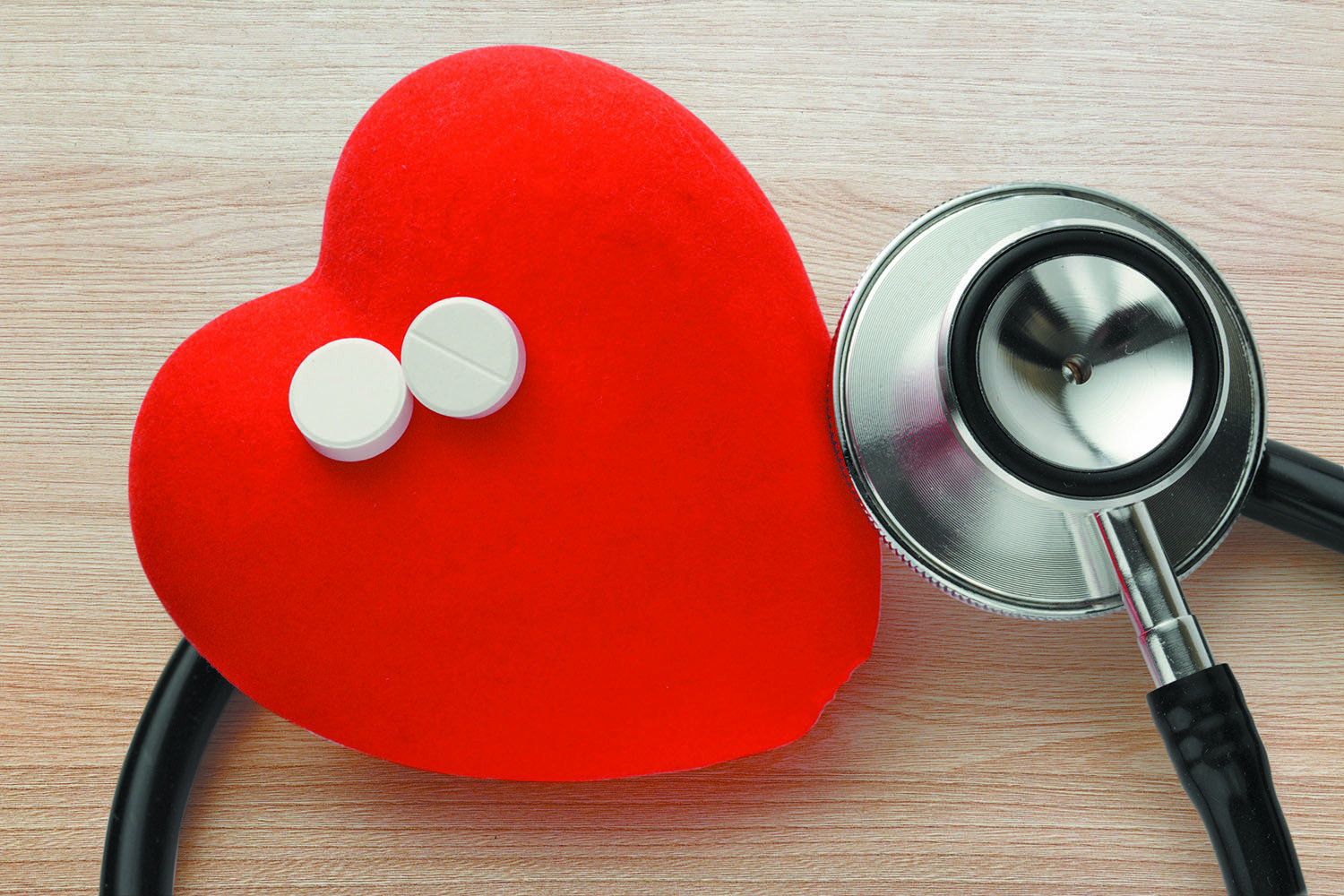
Weighing the risks and benefits of aspirin therapy
It may help prevent a heart attack or stroke, but it comes with the risk of bleeding.
Image: © Garsya/Thinkstock
Maybe you've heard about people who take a low-dose aspirin each day to ward off heart problems. Since aspirin is a medicine you've probably used now and then without a problem, and since it is available without a prescription, you might consider trying a daily low-dose aspirin yourself. Don't do it. Unlike deciding to take a multivitamin, taking a daily aspirin isn't something you should decide to do on your own.
Aspirin therapy is typically prescribed to people who have atherosclerosis of the arteries of the heart or brain, or risk factors for such disease. Just who should take a daily aspirin, how much aspirin, and what type of aspirin are hotly debated issues, with clinical trials under way in search of answers. "Until those results are in, you should talk to your doctor before starting aspirin," says Dr. Deepak Bhatt, a cardiologist and the editor in chief of the Harvard Heart Letter.

Overcoming resistant hypertension
As men live longer, more face the challenge of difficult-to-control high blood pressure.
Image: © KatarzynaBialasiewicz/Thinkstock
High blood pressure, or hypertension, remains a common health issue for a majority of older men.
In fact, approximately 54% to 67% of men ages 65 and older suffer from the condition, which occurs when your systolic pressure (the top number on a blood pressure reading) is 140 mm Hg or higher, and your diastolic pressure (the bottom number) is 90 mm Hg or higher, according to the American Heart Association.

Laser procedure a possible treatment for eye floaters
In the journals
A common laser treatment may help people with a specific type of eye floater, according to a small study published online July 20, 2017, by JAMA Ophthalmology. Floaters are spots in your vision like black or gray specks, strings, flying bugs, or cobwebs. They become more prevalent with age and occur when the jelly-like substance inside the eyes becomes more liquid, shrinks, and separates from the back wall of the eye.
There are three treatments for floaters: observation, where a floater is monitored for changes (for instance, if it moves away from your central vision or the brain adapts and ignores it); vitrectomy surgery to remove the floater; and YAG vitreolysis, which vaporizes the floater with a laser.

Women’s stroke rate stubbornly steady
As a group, men have nudged down their stroke numbers over the past decade. Why haven't women seen the same improvement?
Image: © stockdevil/Thinkstock
Men are less likely to have strokes than they were 10 years ago, but the risk for women has stayed about the same, according to a study of stroke data from Ohio and Kentucky, published online on August 21 by Neurology.
The question is, why?
"This study raises important concerns about the lack of decline in stroke rates in women," says Dr. Kathryn M. Rexrode, associate professor of medicine and chief of the Division of Women's Health at Harvard Medical School. Study authors suggested it's likely that better treatments for high blood pressure, high cholesterol, and diabetes, and a reduction in the number of people smoking helped to reduce the risk for men for having the most common type of stroke — ischemic stroke, which is typically caused by a clot that blocks blood flow to the brain. But women, who in theory should benefit from the same interventions, didn't see any improvement in their stroke rates over the study period.
Is my blood pressure too low?
Ask the doctors
Q. The July 2017 issue of Harvard Women's Health Watch spoke about the potential problems related to low blood pressure when taking blood pressure medication. My readings meet the definition of low blood pressure outlined in the article, but I don't take any medication. Should I be concerned, and if so, what should I do to raise my blood pressure?
A. In general, blood pressure is deemed too low only if it causes symptoms. A normal blood pressure is defined as a reading below 120/80 millimeters of mercury (mm Hg), and some experts consider your blood pressure low only if it dips below 90/60 mm Hg. However, a low reading can be normal for some people. Your doctor probably won't be too concerned about it unless it occurs suddenly; you have an underlying health condition that could cause low blood pressure, such as heart failure; or you are experiencing symptoms such as dizziness, lightheadedness, fainting, fatigue, or nausea. Some medications, such as diuretics (water pills), some antidepressants, and beta blockers, among others, can also cause low blood pressure. But since you aren't taking any medication, this is not an issue. If you are having symptoms related to your low blood pressure, this is something you definitely want to mention to your doctor. But if you've always had low blood pressure and you're not experiencing any problems, it's likely that this is normal for your body.
Can shingles raise your risk for heart attack and stroke?
Research we're watching
A research letter published in the July 3 issue of the Journal of the American College of Cardiology says that shingles, a painful rash caused by the varicella-zoster virus (the same virus that causes chickenpox) may be linked to an increased risk of stroke and heart attack.
South Korean researchers used a national medical database to identify diagnoses of shingles, stroke, and heart attack and followed them from 2003 to 2013. They compared 23,213 individuals who had developed shingles during this period and compared their subsequent rates of heart attack and stroke to approximately 23,213 shingles-free individuals. They found that people who had shingles had a 35% higher risk of heart attack and a 59% higher risk of stroke.

What should you do about those unpleasant eye floaters?
Debris in your vision is a nuisance, but you may have to live with it.
Image: © Thinkstock/Thinkstock
Strings, blobs, and cobwebs: they all describe types of specks that may appear to float across your field of vision. These "floaters" are usually just a nuisance. "In many cases, floaters become less noticeable or more tolerable over time, and can even disappear entirely," says Dr. Jeffrey Heier, an ophthalmologist and Harvard Medical School instructor.
But for some people, floaters are distracting to the point of interfering with vision.
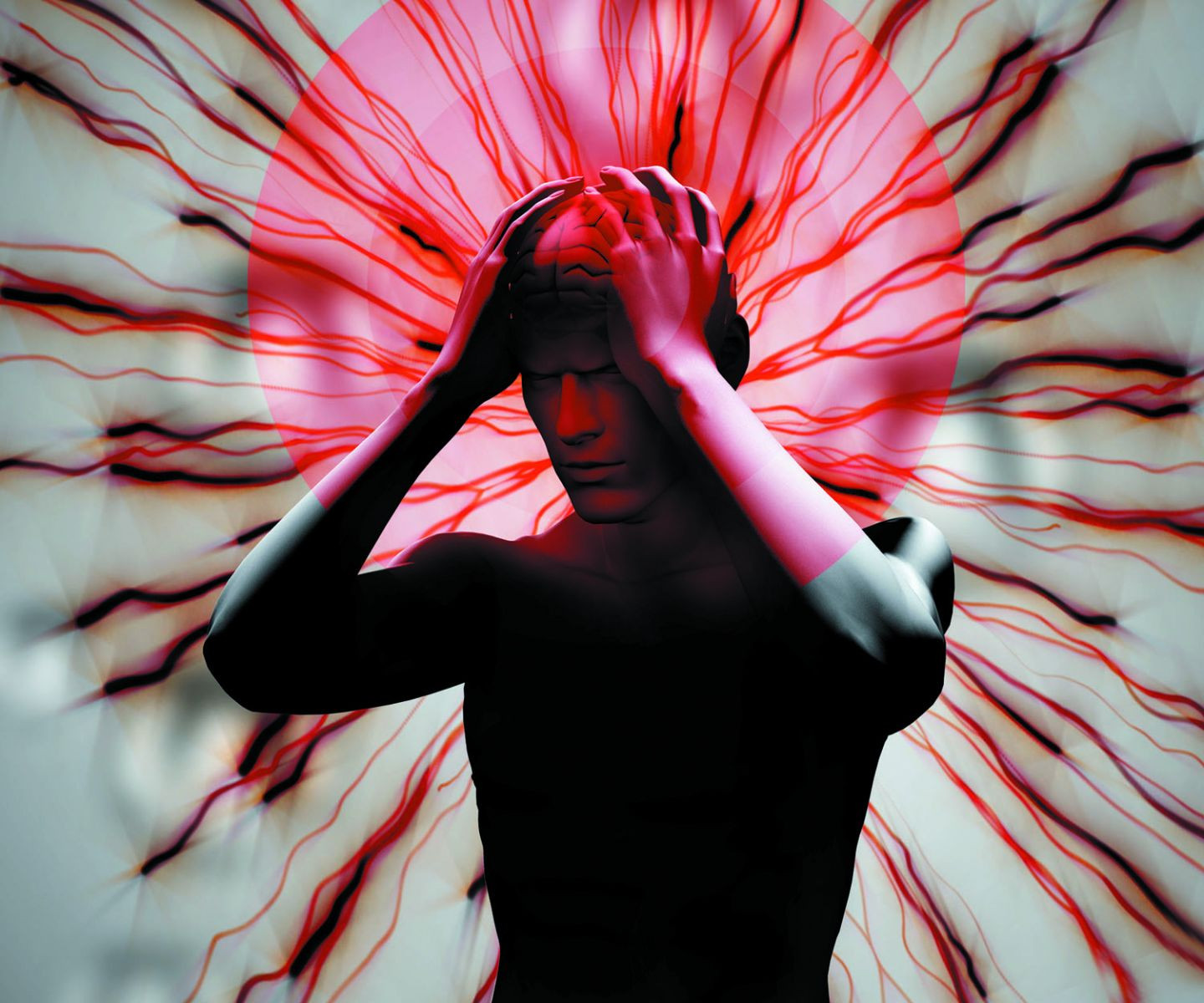
Quick-start guide to headaches
Pain from migraines, cluster headaches, and other types of headaches require very different treatments.
Image: © Wavebreakmedia Ltd/Thinkstock
Pain around the eye and throbbing on one side of the head — they're common headache symptoms, but what do they mean? "Many times people assume a headache is due to sinusitis, and they put up with it for years," says Dr. John Pettinato, a neurologist with Harvard-affiliated Beth Israel Deaconess Medical Center.
Understanding your pain can help you find the best approach to treatment.

Should you take an antiviral drug when you get the flu?
One antiviral medication has drawn criticism, but it's still a treatment option.
Image: © kowalska-art/Thinkstock
Bad case of the flu? Antiviral medications, such as oseltamivir (Tamiflu) or zanamivir (Relenza), may reduce symptoms and help you recover from the flu a day or two earlier. But oseltamivir came under fire a few months ago for a lack of effectiveness.
In June, the World Health Organization (WHO) removed oseltamivir from its list of essential medicines. "Their decision was based on the relatively low effectiveness of oseltamivir in clinical trials and clinical practice. I suspect this is due to a significant number of people who started therapy after their flu symptoms had been going on for more than two days," says Dr. Paul Sax, an infectious disease specialist and Harvard Medical School professor.
Whole grains may improve several heart risk factors at once
Light exposure at night may raise risk for heart disease
Children of centenarians may stay healthier and live longer too, study finds
A lumbar belt may help ease low back pain
Signs of pneumonia: Sometimes vague and unexpected
Using a vibration plate: What it can — and can't — do for your body
The surprising link between ovarian cancer and the fallopian tubes
People who walk more or walk faster live longer, study finds
Rosacea treatments: What works?
For sleep apnea, a dental device may be as effective as CPAP
Free Healthbeat Signup
Get the latest in health news delivered to your inbox!
Sign Up
