

Light exposure at night may raise risk for heart disease

Whole grains may improve several heart risk factors at once

A lumbar belt may help ease low back pain

Children of centenarians may stay healthier and live longer too, study finds

Signs of pneumonia: Sometimes vague and unexpected

The surprising link between ovarian cancer and the fallopian tubes

Using a vibration plate: What it can — and can't — do for your body

People who walk more or walk faster live longer, study finds

For sleep apnea, a dental device may be as effective as CPAP

Rosacea treatments: What works?
Stroke Archive
Articles

Why am I losing weight?
Ask the doctor
Image: © bhofack2/Getty Images
Q. I'm an 87-year-old man. Over the past year I've lost considerable weight, and I didn't have that much to lose. My doctor can't find any reason for my weight loss and is advising me to eat ice cream. But isn't that risky for my heart?
A. I smiled when I read your letter, because I've occasionally said that if I were to develop a terminal condition, the silver lining on that cloud would be that I could finally eat all the hot fudge sundaes I wanted.

New guidelines extend your window for a first-line stroke treatment
News briefs
The American Stroke Association has made a major change to its recommendations for a first-line stroke therapy. The group's new guidelines, published online Jan. 24, 2018, by Stroke, say that instead of having just six hours from the onset of stroke symptoms to reach into a blood vessel, grab the clot, and pull it out, doctors now have up to 24 hours to perform the procedure (depending on the circumstances). The new recommendation will be helpful for people who suffer a stroke while sleeping and therefore don't know at what time the symptoms began. A thrombectomy may be combined with the other first-line treatment for stroke caused by a blood clot: a clot-busting drug called tissue plasminogen activator, or tPA. The treatment window to use tPA is just three to four hours, so it's imperative that you call 911 at the first sign of stroke symptoms. Those include the sudden onset of confusion, difficulty talking, weakness or numbness on one side of the body, or difficulty walking.

Don’t allow arthritis to keep you from exercising
News briefs
Image: © adamkaz/Getty Images
Exercise is considered the most effective pill-free treatment to cope with the pain and stiffness of arthritis. And more people are getting advice from their health care providers about how to stay active, according to a study published online Jan. 5, 2018, by the CDC's Morbidity and Mortality Weekly Report. Researchers looked at national health surveys gathered from 2002 to 2014. In that period, there was an increase in the proportion of people with arthritis (osteoarthritis, rheumatoid arthritis, gout, lupus, or fibromyalgia) who said their clinician suggested physical activity to help reduce symptoms — from 52% in 2002 to about 60% in 2014. But by 2014, about 40% of arthritis sufferers still said they weren't getting exercise counseling. That's significant, considering that 91 million people ages 18 or older are affected by arthritis, according to a study published online Nov. 27, 2017, by Arthritis & Rheumatology. You don't have to wait for a doctor to suggest exercise as an arthritis treatment. Try something gentle, like walking, tai chi, or modified yoga. For more ideas, check out the Harvard Special Health Report The Joint Pain Relief Workout (www.health.harvard.edu/jprw).

What a drag: The dangers of a daily cigarette
Research we're watching
Smoking just one cigarette a day appears to raise the risk of heart disease and stroke by between 48% and 74%, according to a study in the Jan. 24, 2018, issue of The BMJ.
Researchers pooled data from 141 studies done in 21 countries and regions, together involving millions of people. They analyzed the risks associated with smoking one, five, or 20 cigarettes per day, taking into account age, sex, and other possible confounding factors. Just one cigarette per day accounted for half of the risk seen with smoking 20 cigarettes a day in men, and for one-third of the risk in women, they discovered.
Can the flu increase my heart attack risk?
On call
Q. There has been a lot of talk about the severity of this flu season, and I recently heard that influenza also can trigger a heart attack. Should I worry?
A. Influenza is responsible for about 10,000 to 20,000 annual deaths, mostly from pneumonia or internal organ failure. In other situations, influenza infection strains a person's health, which can worsen underlying conditions, such as heart disease.

New drug shows promise for preventing migraines
In the journals
Image: © Wavebreakmedia/Getty Images
Migraine sufferers may be able to prevent future attacks with a new medication called galcanezumab, suggests a study published online Dec. 18, 2017, by JAMA Neurology. Currently, there are five FDA-approved drugs for migraines, but none were designed specifically for treating attacks or addressing the mechanisms at work.
In comparison, galcanezumab works to suppress the activity of calcitonin gene–related peptide (CGRP) in people. That molecule is believed to play an integral role in migraines and cluster headaches.


I'm so lonesome I could cry
The health risks of loneliness and isolation have been known for some time, but more recently research has shown the specific effects in the brain. Finding ways to make connections with other people is the best "medicine" to alleviate the mental and physical effects of loneliness.
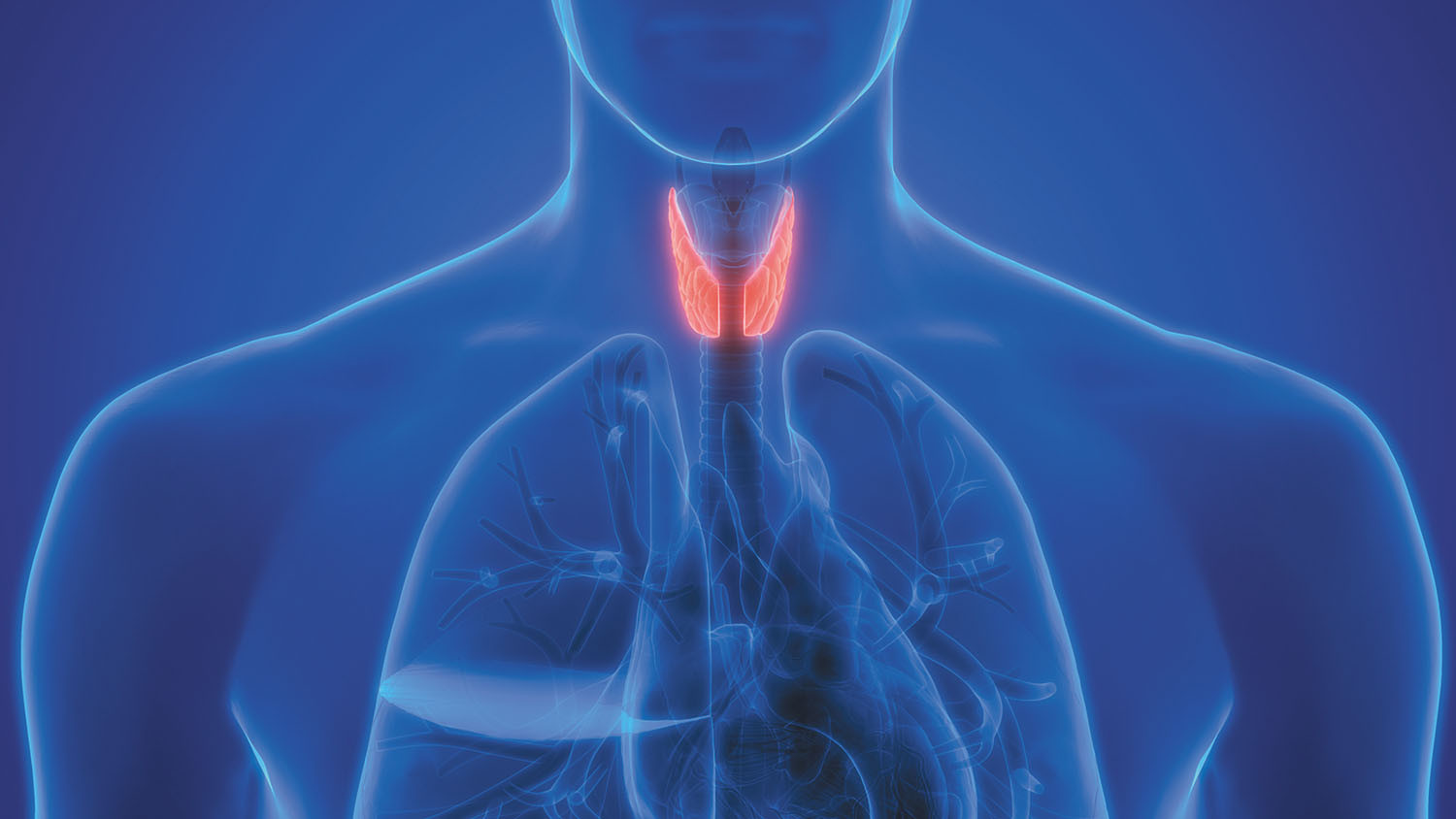
Why do I “almost” have an underactive thyroid?
Ask the doctor
Image: © magicmine/Getty Images
Q. My doctor said I "almost" have an underactive thyroid, which puzzled me. Then she said I might benefit from treatment, which puzzled me more. How can you "almost" have a disease, and how can treatment be useful if you don't have the disease?
A. I can see how that might have been confusing. In fairness, it's a confusing situation, even for doctors. Let's take this in two parts. First, what's an "underactive thyroid"? The thyroid gland in our neck makes a hormone, called thyroid hormone, that travels throughout the body and affects every cell. If it is making the right amount of the hormone — if the blood levels are normal — then there's no problem. If it's making too much (an overactive thyroid), or if it's making too little (an underactive thyroid), those are problems that require treatment.
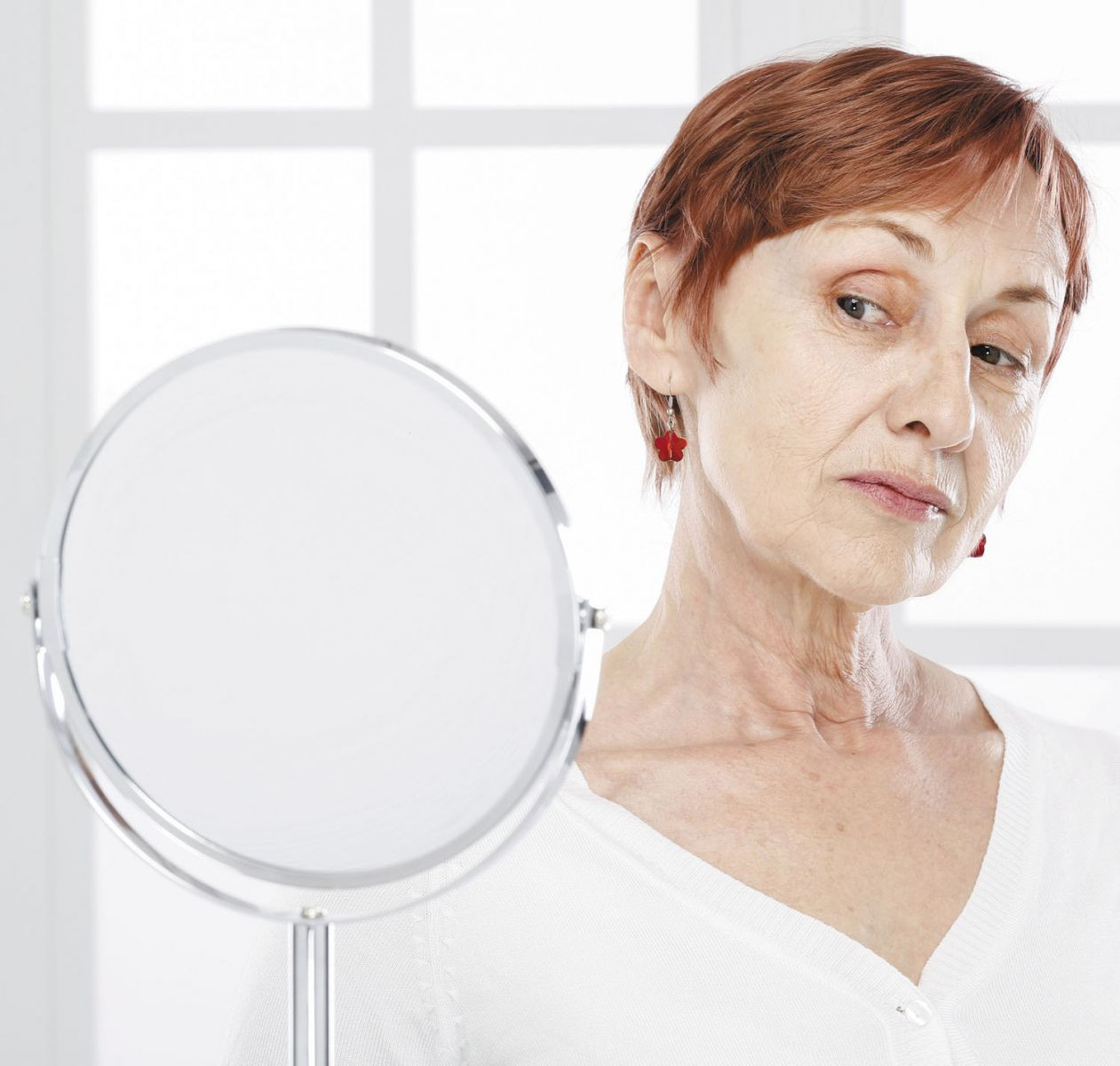
Is that dry skin really something more serious?
Symptoms of dry skin, eczema, contact dermatitis, and psoriasis can overlap.
Image: © Sasha_Suzi/Thinkstock
It's easy to overlook dry skin during the winter, when indoor heating and dry air pull moisture from the skin. But sometimes it's tough to tell if dry skin is a consequence of the season or a sign of a serious condition. "I see a fair number of people who come in with psoriasis or eczema and had just assumed it was dry skin," says Dr. Jason Frangos, a dermatologist at Harvard-affiliated Brigham and Women's Hospital.
Why does skin dry out?
It's not just winter conditions that lead to dry skin; it's also a change in our skin's top layer, or epidermis. This layer is normally thick with naturally occurring fats and oils that act as a barrier to help retain moisture and prevent irritants from entering the skin.
Light exposure at night may raise risk for heart disease
Whole grains may improve several heart risk factors at once
A lumbar belt may help ease low back pain
Children of centenarians may stay healthier and live longer too, study finds
Signs of pneumonia: Sometimes vague and unexpected
The surprising link between ovarian cancer and the fallopian tubes
Using a vibration plate: What it can — and can't — do for your body
People who walk more or walk faster live longer, study finds
For sleep apnea, a dental device may be as effective as CPAP
Rosacea treatments: What works?
Free Healthbeat Signup
Get the latest in health news delivered to your inbox!
Sign Up
