

Light exposure at night may raise risk for heart disease

Whole grains may improve several heart risk factors at once

A lumbar belt may help ease low back pain

Children of centenarians may stay healthier and live longer too, study finds

Signs of pneumonia: Sometimes vague and unexpected

The surprising link between ovarian cancer and the fallopian tubes

Using a vibration plate: What it can — and can't — do for your body

People who walk more or walk faster live longer, study finds

For sleep apnea, a dental device may be as effective as CPAP

Rosacea treatments: What works?
Stroke Archive
Articles

Sexually transmitted disease? At my age?
There's an upswing in cases of chlamydia, gonorrhea, and syphilis in the United States, and it includes older adults.
For as long as humans have engaged in sex, there have been sexually transmitted diseases (STDs). The term STD (which has replaced the older "venereal disease") generally refers to infections that can be transmitted by vaginal, anal, or oral sex. Among them are genital herpes, human papillomavirus, chlamydia, gonorrhea, syphilis, and human immunodeficiency virus (HIV). The CDC estimates there are about 20 million new STD cases every year, but only a fraction of them get reported.
STDs are on the rise in people of all ages. There were more than two million reported cases of chlamydia, gonorrhea, and syphilis in 2016. While the vast majority occurred in teenagers and young adults, there also were significant increases in cases among middle-aged and older adults (see "STDs reported among older adults").
To eat less salt, enjoy the spice of life
Research we're watching
Image: © Shaiith/Thinkstock
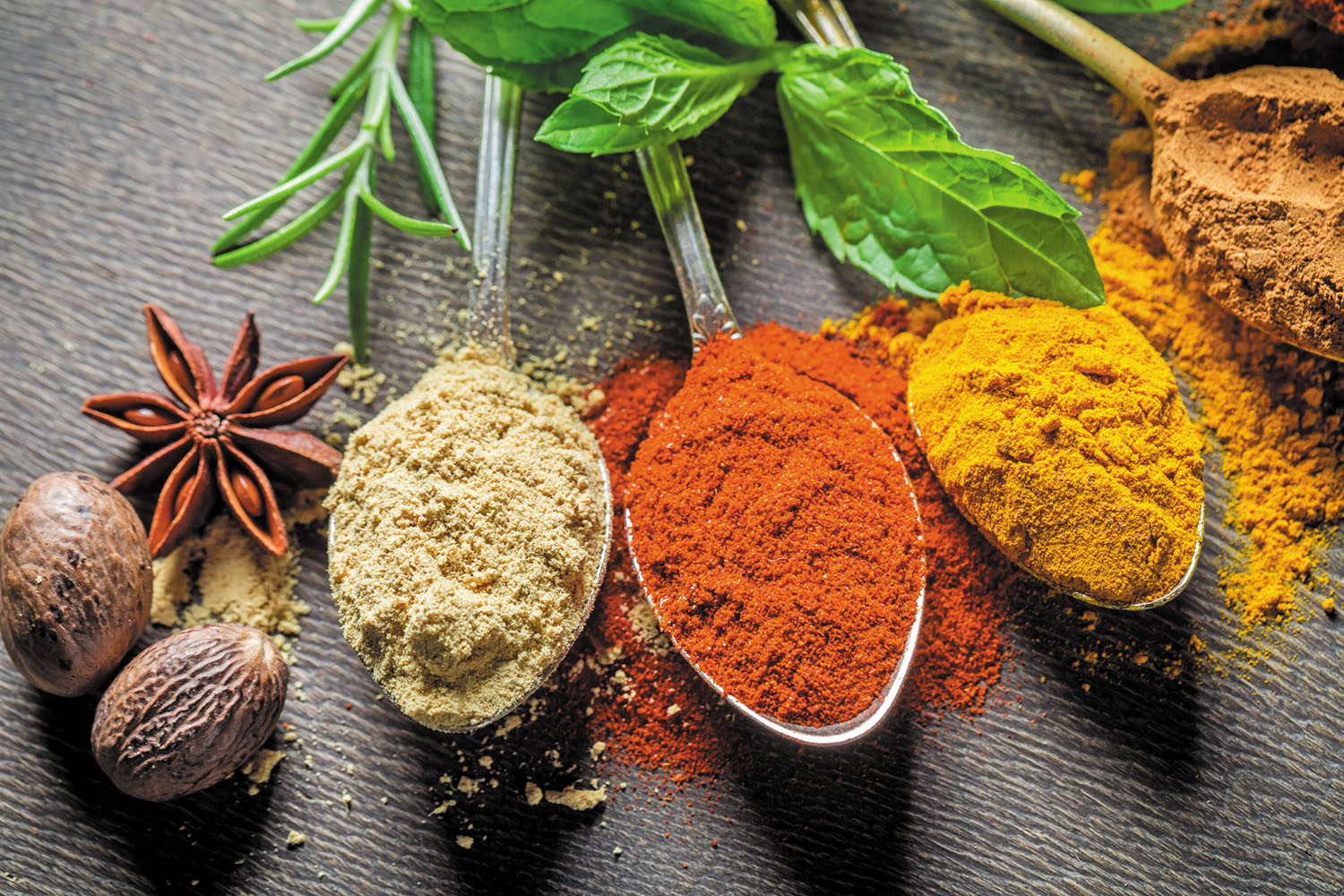
Adding a little extra spice to your food may help you eat less salt, according to a study in the December 2017 issue of Hypertension. A salty diet may raise your risk of high blood pressure, leaving you more prone to heart attack and stroke.
For the study, Chinese researchers recruited 606 people and determined their preferences for salty and spicy foods, in part by asking how often they ate foods such as salted fried pork and pickled Chinese cabbage.

Antidepressants not always effective in people with chronic disease
In the journals
Some antidepressants may not offer much relief for people who battle both depression and a chronic disease, according to research in the Nov. 21, 2017, Journal of the American Medical Association.
Nearly half of Americans live with a chronic condition, according to the CDC, and many also suffer from depression, including more than half of Parkinson's disease patients, 41% of cancer patients, and more than 25% of those with diabetes.
Can I avoid macular degeneration?
Ask the doctors
Q. I have a family history of macular degeneration. Is there any way I can prevent it?
A. Macular degeneration is a common eye condition that typically manifests in people over age 50. It damages the macula of the eye, which is located near the center of the retina, and can lead to vision loss. The macula is the part of the eye that helps you see objects that are right in front of you. When this area is damaged, you may see spots or your vision may get blurry or dark. These changes might make it more difficult for you to drive or perform other everyday activities.

Blood flow in squirrel brains offers clues for better stroke treatment
Research we're watching
Scientists are getting some bright ideas on how to protect people from brain damage related to stroke by looking at the brains of hibernating squirrels.
When squirrels hibernate, blood flow to their brain slows dramatically — similar to the reduced blood flow to a human brain that occurs with an ischemic stroke (one caused by a blocked blood vessel in the brain). But unlike the nearly 800,000 people who experience ischemic strokes each year, the hibernating squirrels don't suffer any harmful consequences from this reduction in blood flow to the brain. Scientists say this difference reflects cellular changes in the squirrel brains that protect them from damage. The scientists for the NIH-funded study, who published the results in the Federation of American Societies for Experimental Biology's FASEB Journal, say they have found a potential drug that might mimic this protective hibernation process and could, one day, protect human brains from stroke-related damage.
Alcohol and age: A risky combination
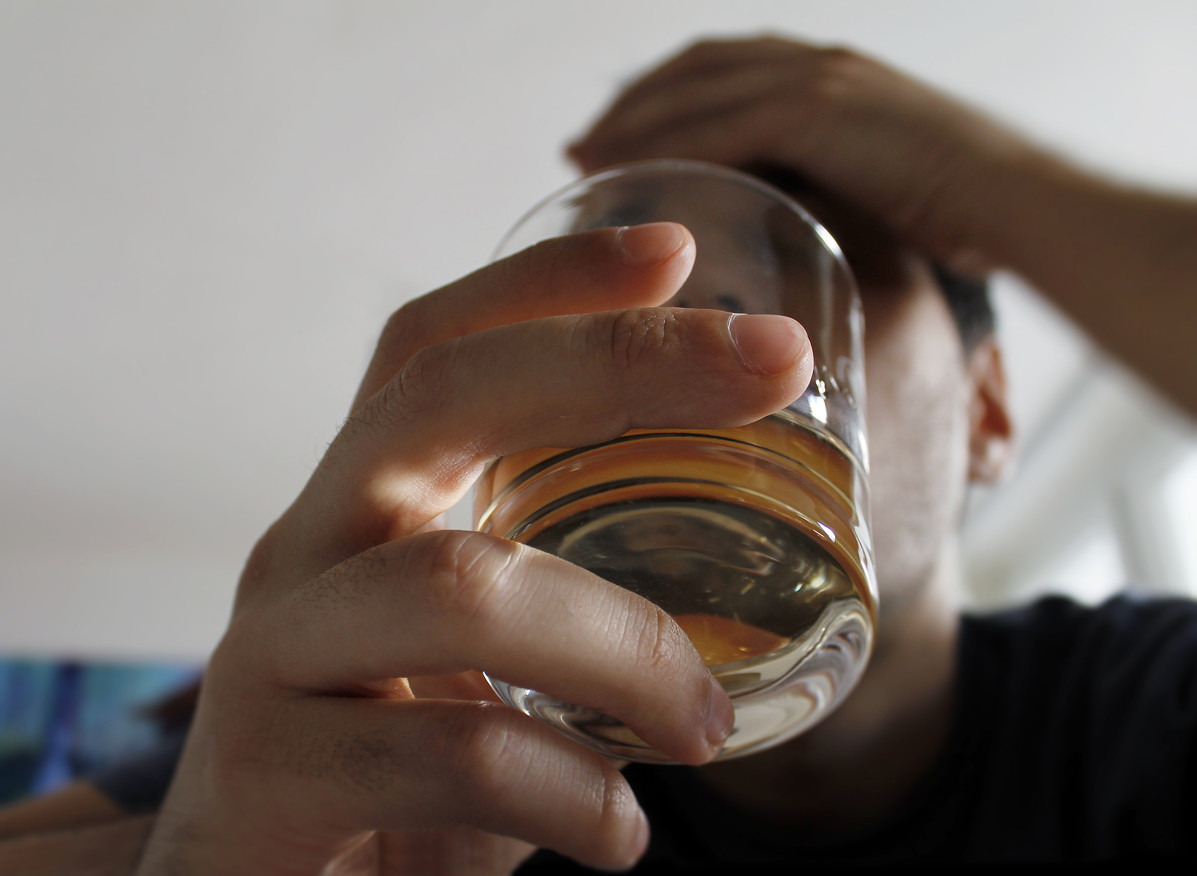
Most people drink less as they grow older. However, some maintain heavy drinking patterns throughout life, and some develop problems with alcohol for the first time during their later years. The many challenges that can arise at this stage of life — reduced income, failing health, loneliness, and the loss of friends and loved ones — may cause some people to drink to escape their feelings.
Several factors combine to make drinking — even at normal levels — an increasingly risky behavior as you age. Your ability to metabolize alcohol declines. After drinking the same amount of alcohol, older people have higher blood alcohol concentrations than younger people because of such changes as a lower volume of total body water and slower rates of elimination of alcohol from the body. That means the beer or two you could drink without consequence in your 30s or 40s has more impact in your 60s or 70s.

Stroke: Know when to act, and act quickly
Identifying and treating a stroke as quickly as possible can save brain cells, function, and lives. Everyone should know the warning signs of a stroke and when to get help fast.
The warning signs of a stroke can begin anywhere from a few minutes to days before a stroke actually occurs. The National Stroke Association has devised the FAST checklist to help determine whether a person is having a stroke.

Trouble identifying odors may be an early sign of dementia
In the journals
Image: © Purestock/Thinkstock
If you have persistent trouble detecting or identifying odors, that may be an early sign of dementia, according to a study in the Sept. 25, 2017, Journal of the American Geriatrics Society. Almost 3,000 older adults, ages 57 to 85, who did not have dementia were asked to detect and identify five common odors like peppermint, fish, orange, rose, and leather. Five years later, the researchers found that almost half of those who performed poorly on the smell test (were either unable to detect the odors or unable to identify what the smells were) had been diagnosed with dementia. In comparison, 79% of those who scored high on the smell test did not have dementia.
The results only show an association between poor sense of smell and dementia, but the researchers noted that a smell test could be a simple way to identify high-risk people. It isn't clear how sense of smell and dementia may be linked, but the researchers speculated that underlying causes of dementia, like amyloid plaque buildup and tau tangles in the brain, also may affect the olfactory (sense of smell) system.
Light exposure at night may raise risk for heart disease
Whole grains may improve several heart risk factors at once
A lumbar belt may help ease low back pain
Children of centenarians may stay healthier and live longer too, study finds
Signs of pneumonia: Sometimes vague and unexpected
The surprising link between ovarian cancer and the fallopian tubes
Using a vibration plate: What it can — and can't — do for your body
People who walk more or walk faster live longer, study finds
For sleep apnea, a dental device may be as effective as CPAP
Rosacea treatments: What works?
Free Healthbeat Signup
Get the latest in health news delivered to your inbox!
Sign Up
