

Whole grains may improve several heart risk factors at once

Light exposure at night may raise risk for heart disease

Children of centenarians may stay healthier and live longer too, study finds

A lumbar belt may help ease low back pain

Signs of pneumonia: Sometimes vague and unexpected

Using a vibration plate: What it can — and can't — do for your body

The surprising link between ovarian cancer and the fallopian tubes

People who walk more or walk faster live longer, study finds

Rosacea treatments: What works?

For sleep apnea, a dental device may be as effective as CPAP
Stroke Archive
Articles

Have you checked your blood sugar lately?
News briefs
Many Americans may be living with the precursor condition to type 2 diabetes without even knowing it, according to a report released July 18, 2017, by the CDC. The National Diabetes Statistics Report found that more than 84 million people in the United States likely have prediabetes — higher-than-normal blood sugar levels.
Prediabetes can turn into full-blown type 2 diabetes — meaning the body doesn't respond to insulin, a hormone that helps cells absorb blood sugar for energy. Type 2 diabetes increases the risk for vision loss; heart disease; stroke; kidney failure; amputation of toes, feet, or legs; and even early death. The report found that almost one in four people with diabetes is undiagnosed.
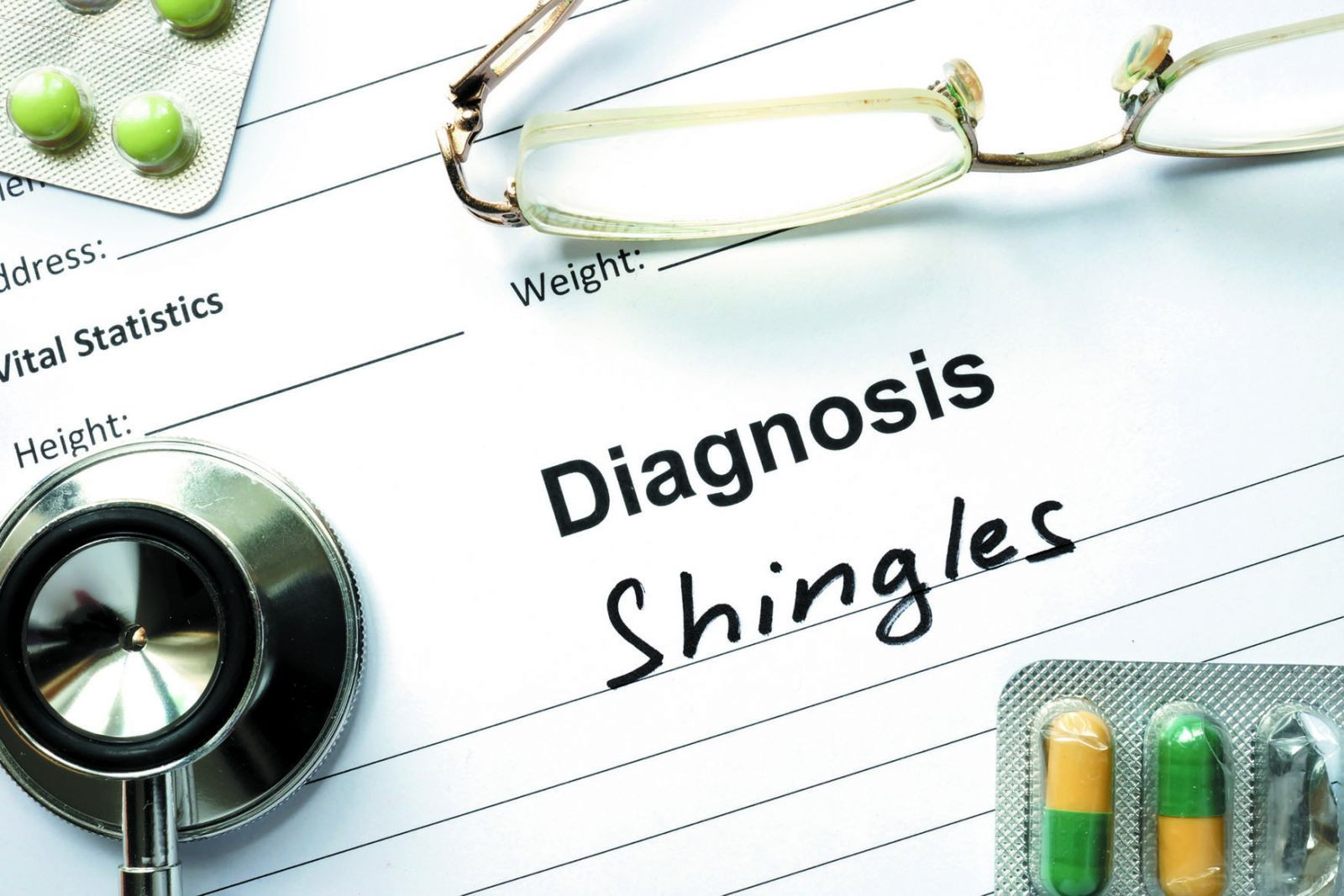
Shingles may raise heart attack risk
Research we're watching
Image: © designer491/Thinkstock
People who develop the painful, blistering rash known as shingles may be more susceptible to a heart attack, according to a study in the July 11, 2017, Journal of the American College of Cardiology. Also known as herpes zoster, shingles results from a reactivation of the virus that causes chickenpox, which most adults had during childhood.
Researchers relied on a Korean health database to identify people newly diagnosed with shingles, stroke, or heart attack over 10 years. Among the nearly 520,000 people they followed for that period, just over 23,000 were diagnosed with shingles, whom they compared with a similar number of people without shingles. People who'd had shingles had a 59% higher risk of later having a heart attack and a 35% higher risk of having a stroke compared with people who did not have shingles. The risk was highest during the first year after the onset of shingles and then diminished over time.
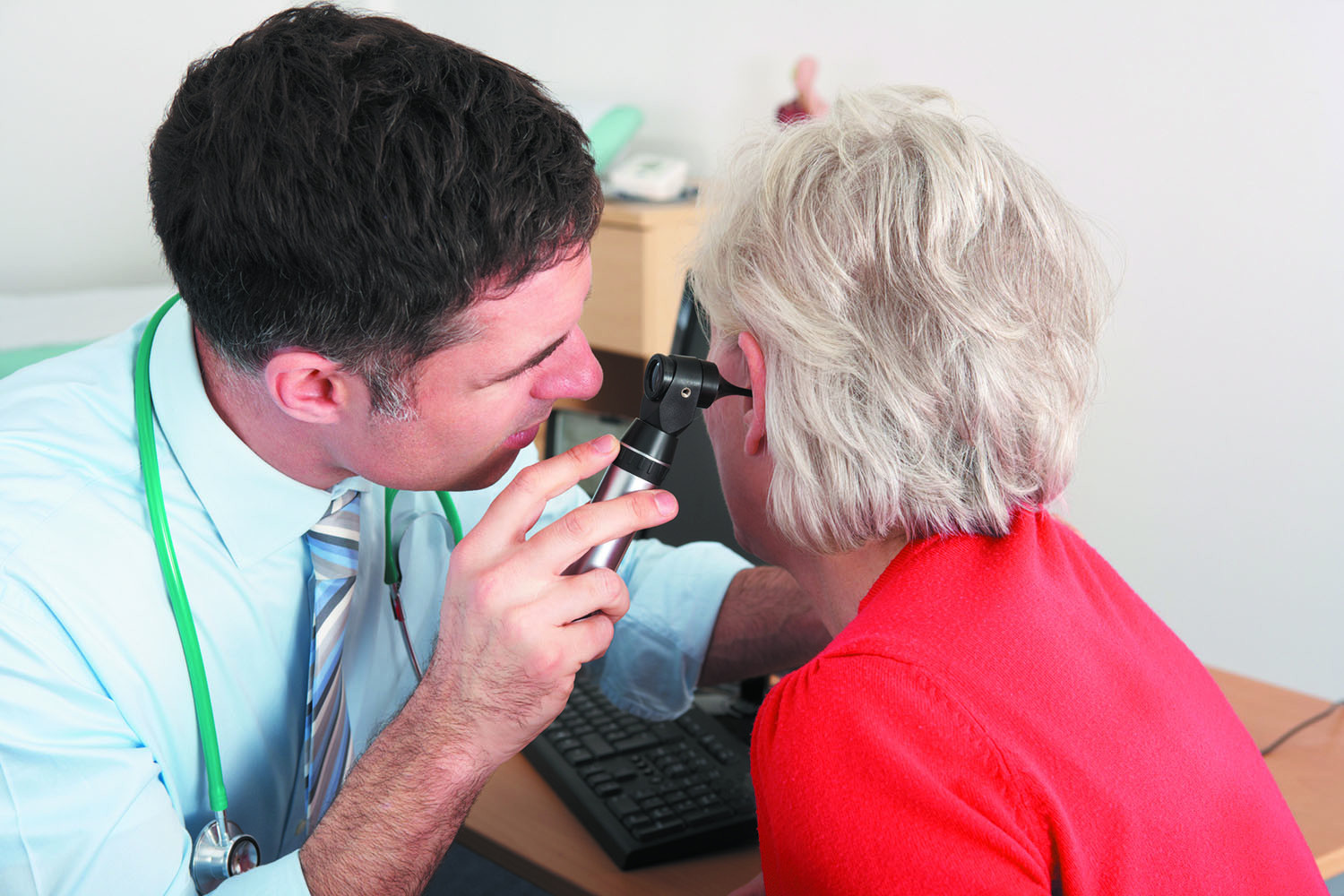
Is my ear problem related to my age?
Ask the doctors
Image: © Catherine Yeulet/Thinkstock
Q. A friend and I both recently had ear blockages caused by impacted earwax. Is this something that becomes more common with age, or is it just a coincidence?
A. It's not just a coincidence. Earwax blockages definitely increase with age. While blockages affect only 5% of healthy adults, they occur more often in older people, with 57% of nursing home residents experiencing this problem, according to the American Academy of Family Physicians.
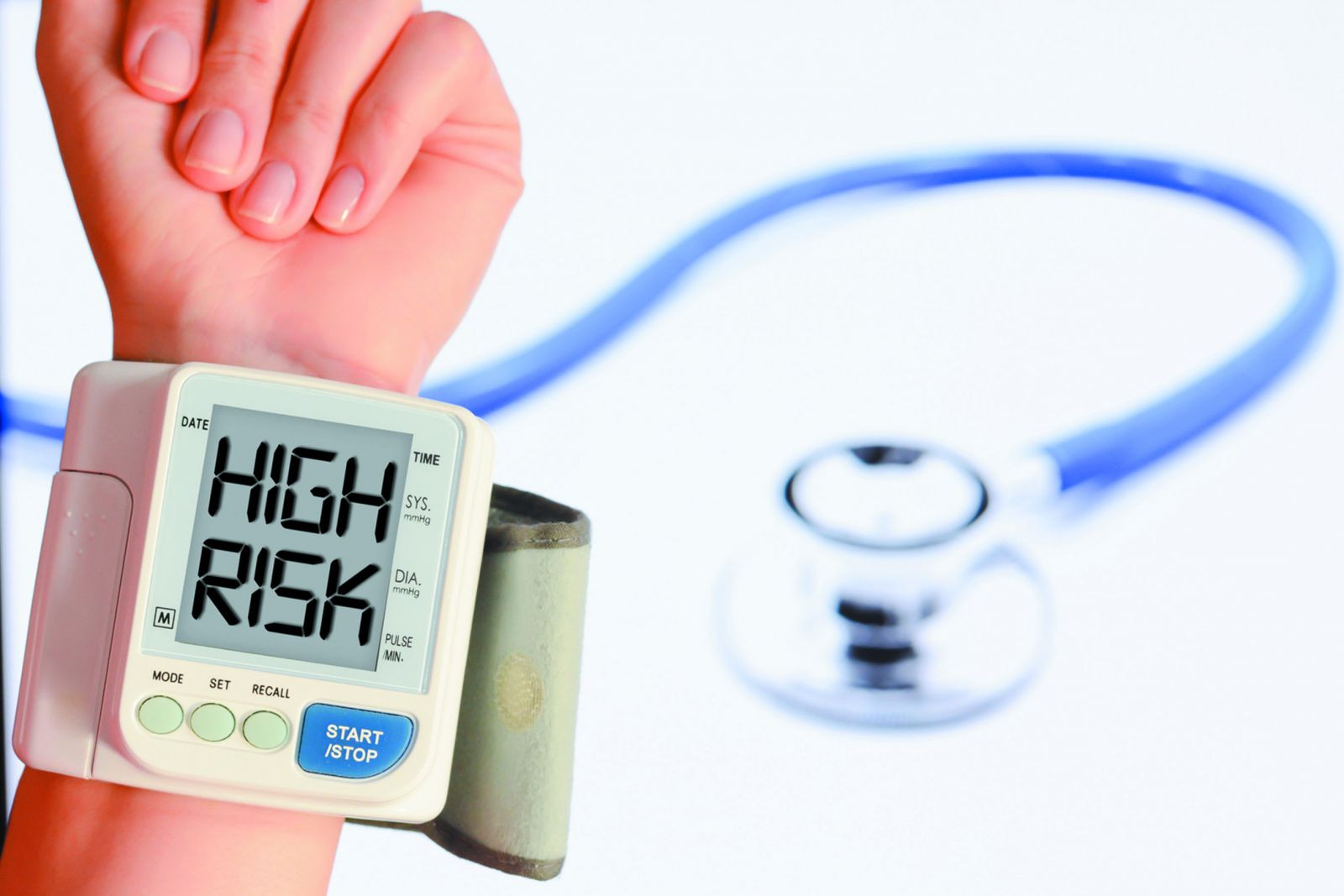
A silent heart threat may actually be endangering your brain
Want to keep your mind sharp? Be aggressive about treating your high blood pressure.
Image: © adrian825/Thinkstock
If you're like a lot of people, you probably think of your heart when you think about blood pressure. But you should also think about your mind.
"High blood pressure is not just a disease or condition. It's actually a risk factor. It's a risk factor for heart disease and stroke, and it's a risk factor for cognitive decline and dementia," says Dr. Natalia Rost, a stroke neurologist at Massachusetts General Hospital and associate professor of neurology at Harvard Medical School.


Lessons from a chronic pain management program
Comprehensive programs for chronic pain involve a variety of components, from body mechanics to nutrition to occupational therapy and beyond. And while there is no easy fix for chronic pain, and sometimes no permanent fix at all, unexpected victories can be made in the search for answers.
Flu vaccine less effective in obese individuals
Research we're watching
Not only is obesity a risk factor for flu complications, but it might actually make the flu vaccine less effective, says a study published online June 6, 2017, by the International Journal of Obesity. Scientists at the University of North Carolina at Chapel Hill found that the flu shot provides less protection in people who are obese.
The study compared flu rates in 1,022 people during two recent flu seasons. All participants were vaccinated against the flu. The researchers looked at immune response to the vaccine and also tracked who went on to get the virus. They found that nearly 10% of obese participants got the flu, compared with 5% of their healthy-weight counterparts. This is bad news, because individuals with a body mass index of 40 or higher are also more prone to flu complications.

Most people with pinkeye get unnecessary treatment
In the journals
If you get acute conjunctivitis, or pinkeye, you probably don't need antibiotic eye drops, suggests a study published online June 14, 2017, by Ophthalmology.
Pinkeye is caused by viral infection, allergy, or bacterial infection. Most people with pinkeye are prescribed antibiotic drops. However, a majority of cases are due to a virus or allergy, which do not respond to antibiotics. Antibiotic treatment can potentially delay healing and increase antibiotic resistance.
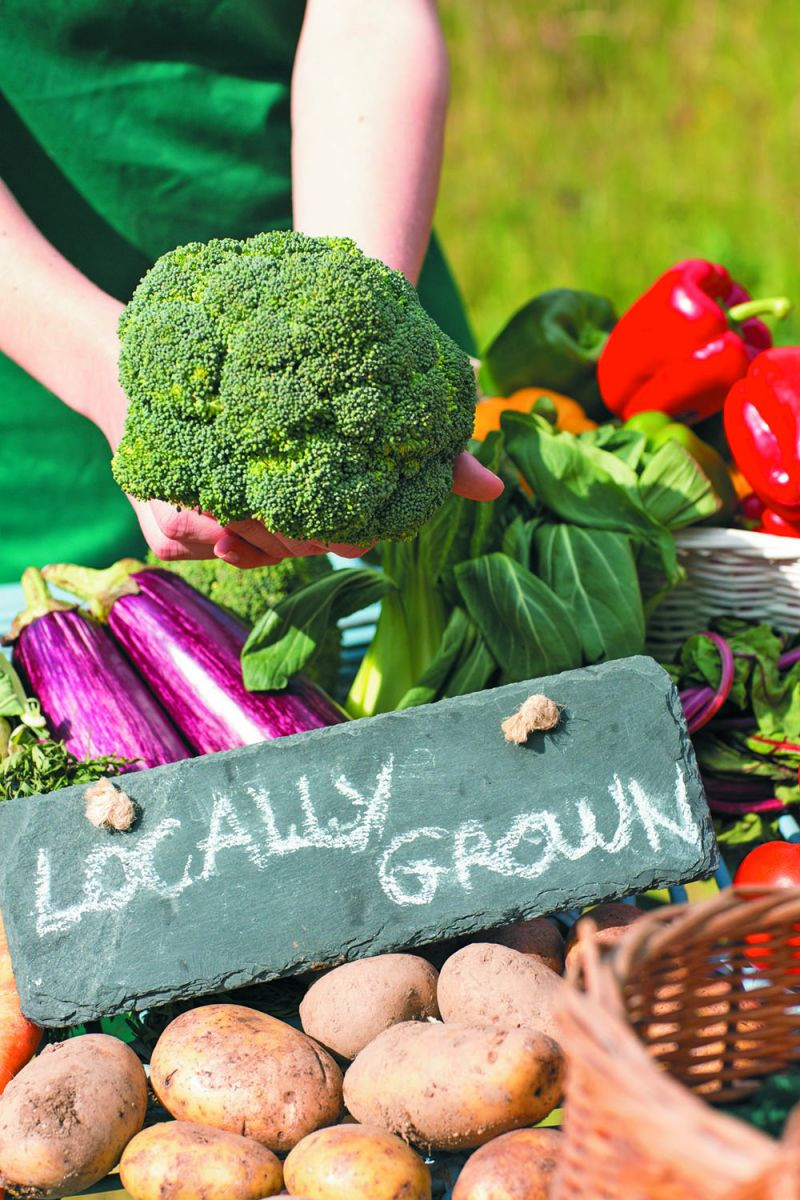
Avoiding health risks at the farmers’ market
Watch out for unpasteurized products, and ask vendors about food safety.
There's something magical about strolling through a farmers' market on a crisp autumn morning. The fruit and vegetables seem fresher there than they do in a store — apples taste tarter, tomatoes seem redder and riper. It's a farm-to-table connection that puts you in touch with nature and the harvest.
Maybe that's partly behind the explosion of farmers' markets across the country, climbing from about 2,000 markets in 1994 to more than 8,600 today, according to the Farmers Market Coalition. "It's a great way to get fresh produce and try different foods you may not have come across before. But it should be enjoyed with caution," urges Dr. Simi Padival, an infectious disease specialist with Harvard-affiliated Beth Israel Deaconess Medical Center.

A salad a day keeps stroke away?
Research we're watching
Image: © pilipphoto/Thinkstock
New research suggests that eating plenty of nitrate-rich vegetables — such as lettuce, spinach, and beets — may lower your risk of dying of a stroke or heart attack.
During digestion, your body converts nitrates into nitric oxide. This compound relaxes and widens blood vessels, which helps lower blood pressure. But does that translate to a longer life? To find out, researchers studied the diets of 1,226 older women who had no signs of fatty plaque in their arteries (atherosclerosis) and tracked them for 15 years.
Whole grains may improve several heart risk factors at once
Light exposure at night may raise risk for heart disease
Children of centenarians may stay healthier and live longer too, study finds
A lumbar belt may help ease low back pain
Signs of pneumonia: Sometimes vague and unexpected
Using a vibration plate: What it can — and can't — do for your body
The surprising link between ovarian cancer and the fallopian tubes
People who walk more or walk faster live longer, study finds
Rosacea treatments: What works?
For sleep apnea, a dental device may be as effective as CPAP
Free Healthbeat Signup
Get the latest in health news delivered to your inbox!
Sign Up
