

Light exposure at night may raise risk for heart disease

Whole grains may improve several heart risk factors at once

A lumbar belt may help ease low back pain

Children of centenarians may stay healthier and live longer too, study finds

Signs of pneumonia: Sometimes vague and unexpected

The surprising link between ovarian cancer and the fallopian tubes

Using a vibration plate: What it can — and can't — do for your body

People who walk more or walk faster live longer, study finds

For sleep apnea, a dental device may be as effective as CPAP

Rosacea treatments: What works?
Stroke Archive
Articles
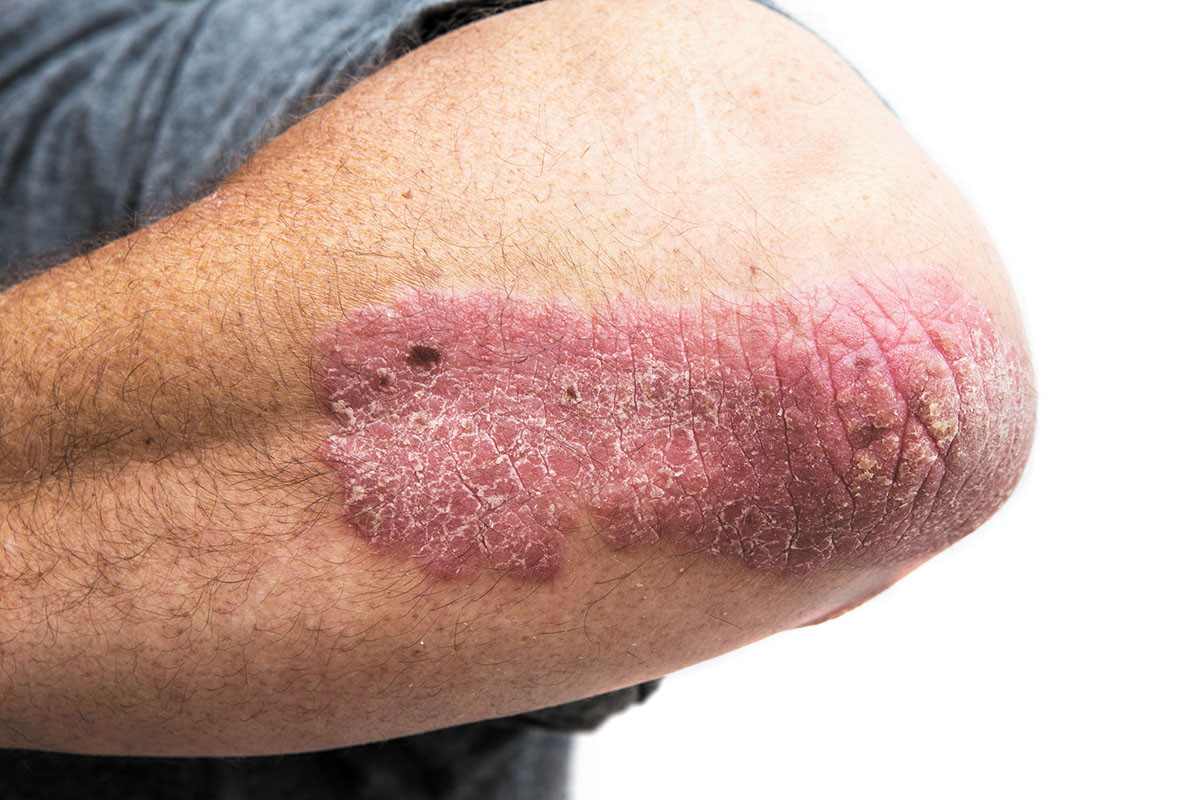
A deeper look at psoriasis
There are ways to shorten flare-ups and, in some people, prevent them from recurring.
Image: © JodiJacobson/Getty Images
Psoriasis is a big star on TV drug ads, but this autoimmune skin disease is something most people try to keep well hidden.
"Psoriasis is among the most common skin conditions, affecting about 2% of the U.S. population, and while the condition doesn't affect everyone the same way, the approach to treatment and prevention is often similar," says Dr. Gideon Smith, an assistant professor of dermatology at Harvard-affiliated Massachusetts General Hospital.

Taking a multivitamin probably won’t help your heart
Vitamins don't seem to reduce cardiovascular risks, according to a new report.
Image: © Thunderstock/Getty Images
There may be reasons to take a multivitamin, but improving your cardiovascular health is not one of them, says a report in the July 10 issue of Circulation: Cardiovascular Quality and Outcomes. The authors found that for the average person, taking a multivitamin supplement didn't help prevent cardiovascular problems, such as heart attacks and strokes.
The findings were based on a review of general population studies conducted from 1970 to 2016, involving more than two million people. Researchers looked for associations between multivitamin supplementation and cardiovascular outcomes. But they weren't able to find any links.

Can’t sleep? You may be at risk for atrial fibrillation
In the journals
If you have problems sleeping through the night, you may be at risk for atrial fibrillation (afib), an irregular heart rate that may cause heart palpitations and is a leading cause of stroke.
A study published online June 25, 2018, by HeartRhythm reviewed four studies and found a link between afib and poor sleep. In one study, people with afib had more frequent nighttime awakenings compared with those who did not have the condition. In the other studies, poor sleep quality, including frequent nighttime awakenings and less REM (rapid eye movement) sleep, predicted which individuals would develop afib.
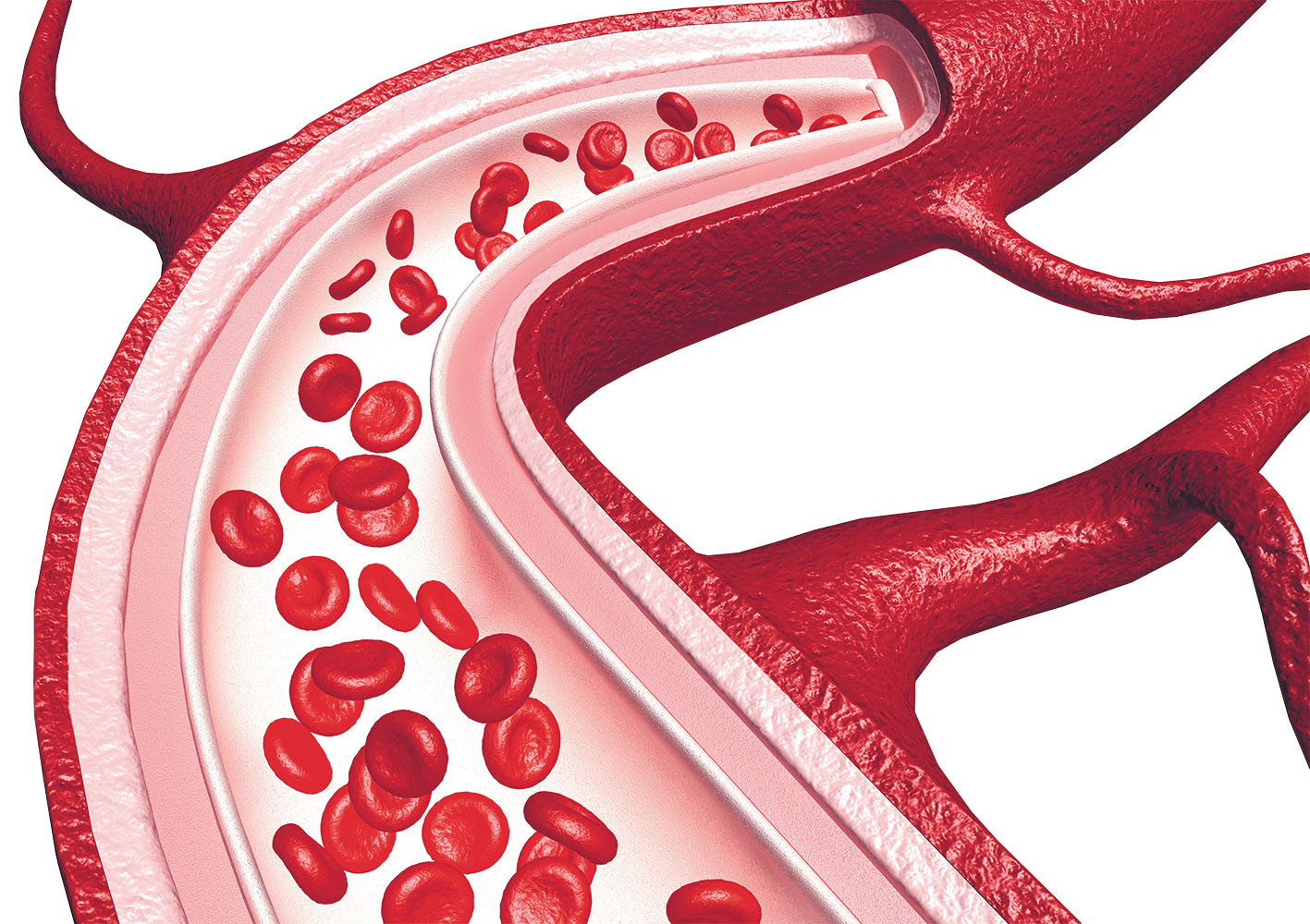
More antidotes for newer blood thinners
New medications add advantages to treatments that help prevent stroke, pulmonary embolism, and deep-vein thrombosis.
Image: © Mohammed Haneefa Nizamudeen/Getty Images
The wait is over for an antidote to stop rare uncontrolled bleeding linked to some newer blood thinners. The FDA approved andexanet alfa (AndexXa) on May 3, 2018. It's the first and only antidote to reverse bleeding in people taking apixaban (Eliquis), rivaroxaban (Xarelto), or edoxaban (Savaysa).
Another newer blood thinner — dabigatran (Pradaxa) — already has an approved antidote called idarucizumab (Praxbind). A dose of vitamin K is used to reverse the action of warfarin (Coumadin), a blood thinner used routinely for more than half a century and, until recently, the only such option for most people.

Eczema may signal higher risk of cardiovascular problems
Research we're watching
Image: © Tharakorn/Getty Images
About one in 10 people has eczema, a chronic inflammatory condition that leaves skin dry and itchy. People with more severe forms may experience a scaly rash or skin that cracks and oozes. These people may also be at greater risk for heart attack and stroke, according to a study in the May 23 issue of The BMJ.
For the study, researchers analyzed data from more than 385,000 adults with eczema, which was classified as mild, moderate, or severe. Each was matched with up to five people of similar age and sex who didn't have eczema.

Red meat allergy spread by ticks: A link to heart disease?
Research we're watching
A bite from a lone star tick can trigger an unusual allergy that causes hives, swelling of the throat and lips, or an upset stomach when you eat red meat. But that's not all: people with this rare red meat allergy may be particularly prone to narrowed, stiff arteries in the heart, a new study finds.
Researchers analyzed blood samples from 118 adults living in Virginia and found that 26% had evidence of a red meat allergy (that is, they had antibodies to a molecule called alpha-gal, the main allergen in red meat). Lone star tick saliva may contain alpha-gal, so when a tick bites a person, it may trigger an immune response by the body, which then recurs when the body encounters alpha-gal in red meat. Lone star ticks are found throughout the southeastern and eastern United States.

Arthritis drugs do little for sufferers’ mental health
In the journals
Many people with rheumatoid arthritis (RA) also deal with ongoing depression and anxiety related to their pain and disability. While drugs used to treat the disease help alleviate the joint pain and stiffness, a recent study suggests they may not extend to improving patients' mental health.
The findings, published online June 6, 2018, by Arthritis & Rheumatology, reviewed more than 70 clinical trials and found only a small association between various drugs used for RA, such as adalimumab (Humira), rituximab (Rituxan), abatacept (Orencia), and tocilizumab (Actemra), and mental health outcomes in patients.
Do I need to be screened for hepatitis C?
Ask the doctors
Q. I recently saw something recommending that older Americans get screened for hepatitis C. I'm 68 years old. Should I be screened?
A. Yes. Since 2012, the CDC has recommended that all adults born from 1945 to 1965 be tested for hepatitis C, a bloodborne virus that affects anywhere from 2.7 million to 3.9 million Americans — many of whom don't know they have the condition. Hepatitis C can go undetected in the body for years, eventually leading to cirrhosis, liver damage, and liver cancer. You may be at risk even if you don't think you have any risk factors for the disease, which is most commonly transmitted today through intravenous drug use. People born from 1945 to 1965 are five times more likely than other Americans to have hepatitis C, although experts aren't sure why this is the case, according to the CDC. It's possible that some people were infected during health care procedures or blood transfusions that took place before the discovery of the hepatitis C virus. A study published in the April 2018 issue of Cancer Epidemiology, Biomarkers & Prevention found that less than 13% of these individuals have had the test. Since you're one of those who hasn't, it's a good idea to call your doctor and make a screening appointment.
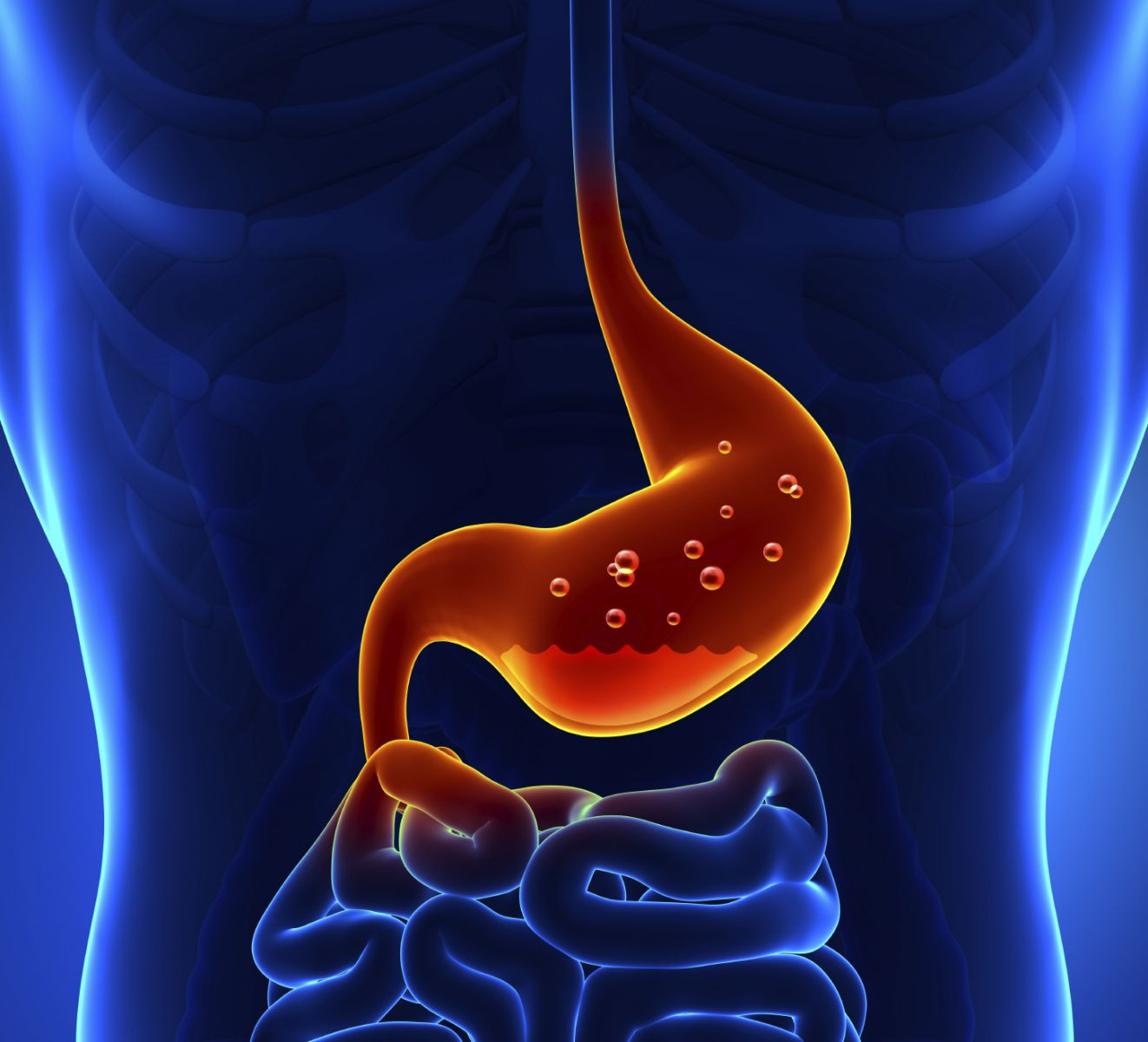
7 ways to get heartburn relief
Functional dyspepsia is no fun. Maybe you've just eaten or finished a meal an hour or so ago — and now your stomach just doesn't "feel right." You feel bloated and uncomfortable. Or maybe it's more of a burning sensation. Maybe you feel queasy, or even throw up. You might say you have an "upset stomach" or indigestion. If there is no known medical cause for your symptoms, your doctor would call it "dyspepsia" or "bad digestion."
Functional dyspepsia
Indigestion is real. The medical term for persistent upper abdominal pain or discomfort without an identifiable medical cause is functional dyspepsia. The symptoms can come and go at any time, but often eating is the trigger. Sometimes the discomfort begins during the meal; other times, about half an hour later.
If you suffer from functional dyspepsia, you're not alone. Roughly 25% of the population is affected, and it hits men and women equally. It's responsible for a significant percentage of visits to primary care doctors, in part because many people worry they might have an ulcer. While it's frustrating that the cause of functional dyspepsia is unknown, it's even more frustrating that there is no surefire cure.
Heartburn and indigestion relief
The good news is that there are simple things you can try to help relieve your functional dyspepsia symptoms:
- Avoid foods that trigger your symptoms.
- Eat small portions and don't overeat; try eating smaller, more frequent meals throughout the day, and be sure to chew food slowly and completely.
- Avoid activities that result in swallowing excess air, such as smoking, eating quickly, chewing gum, and drinking carbonated beverages.
- Reduce your stress. Try relaxation therapies, cognitive behavioral therapy, or exercise. An aerobic workout 3-5 times per week can help, but don't exercise right after eating.
- Get enough rest.
- Don't lie down within two hours of eating.
- Keep your weight under control.
For more on diagnosing and treating indigestion, read The Sensitive Gut, a Special Health Report from Harvard Medical School.

Safe driving protects your brain
Of course, observing safe driving habits is a common-sense practice that can help you avoid injury, but these driving guidelines can help protect your brain as well.
Light exposure at night may raise risk for heart disease
Whole grains may improve several heart risk factors at once
A lumbar belt may help ease low back pain
Children of centenarians may stay healthier and live longer too, study finds
Signs of pneumonia: Sometimes vague and unexpected
The surprising link between ovarian cancer and the fallopian tubes
Using a vibration plate: What it can — and can't — do for your body
People who walk more or walk faster live longer, study finds
For sleep apnea, a dental device may be as effective as CPAP
Rosacea treatments: What works?
Free Healthbeat Signup
Get the latest in health news delivered to your inbox!
Sign Up
