

Light exposure at night may raise risk for heart disease

Whole grains may improve several heart risk factors at once

A lumbar belt may help ease low back pain

Children of centenarians may stay healthier and live longer too, study finds

Signs of pneumonia: Sometimes vague and unexpected

The surprising link between ovarian cancer and the fallopian tubes

Using a vibration plate: What it can — and can't — do for your body

People who walk more or walk faster live longer, study finds

For sleep apnea, a dental device may be as effective as CPAP

Rosacea treatments: What works?
Stress Archive
Articles

Could lack of sleep trigger a food “addiction”?
Many people cite a lack of “motivation” or “willpower” as the reason that overweight people can’t control their eating habits. But a wealth of evidence has come to light that obesity is linked to insufficient sleep. Most recently, an experimental study has found that restricted sleep can increase the levels of brain chemicals that make eating pleasurable. Could it be that insufficient sleep makes the brain addicted to the act of eating?
A monthly shot for opioid addiction: An option for some
Several long-term treatments can help people overcome opioid addiction. One of them, naltrexone, may help people who have trouble sticking with taking a pill every day. Naltrexone can be offered as a monthly injection called Vivitrol, which has been shown to help more people stay on treatment as compared to the pill form. However, it’s not for everyone, and like all treatments for opioid addiction, it must be used very carefully.

Negative views of aging linked with increased risk of Alzheimer's
A negative attitude about aging appears to be associated with a higher likelihood of Alzheimer's disease.
A study in the journal Psychology and Aging examined healthy, dementia-free subjects from the Baltimore Longitudinal Study of Aging, the nation's longest-running scientific study of aging.

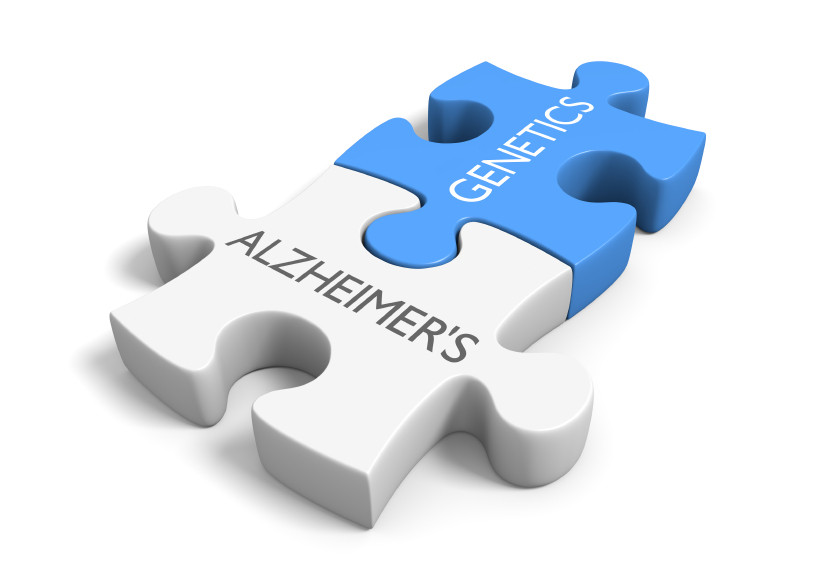
A twist on the genetic link between Alzheimer’s and heart disease
Although the two conditions seem unrelated, Alzheimer’s and heart disease actually share a genetic link. People who have a certain gene variant have both a somewhat elevated heart disease risk and a significantly elevated Alzheimer’s risk. Fortunately, a recent study has suggested that when people know they have this variant, they’re more likely to make healthy lifestyle choices that benefit their heart — and what’s good for the heart is good for the brain.

Can a heartburn drug cause cognitive problems?
Many older adults take PPIs to treat heartburn, GERD, or stomach ulcers. Recently, a new study identified a link between chronic PPI use and an increased risk for dementia. If you take a PPI, check in with your doctor — you may be able to take it only when you have symptoms, not continuously (and this kind of usage was not associated with a dramatically increased dementia risk in the study).

People who exercise more also tend to drink more (alcohol)
A recent study that tracked healthy volunteers’ exercise and drinking habits found that they tended to drink more on days when they exercised more. But this study might have had drastically different results if conducted with different groups. For example, what results might we see if the volunteers were sedentary people looking to exercise more — or people with unhealthy drinking patterns who were working to cut back?

The missing rewards that motivate healthy lifestyle changes
Ask anyone who’s ever tried to make a healthy change — after a while, the motivation to keep at it just stops. Indeed, it can be incredibly hard to break old habits, or make new ones. But research has revealed that there are actually two different types of rewards in the brain — and that focusing on the less commonly pursued of the two can help you make lasting changes.

Light exposure at night may raise risk for heart disease
Whole grains may improve several heart risk factors at once
A lumbar belt may help ease low back pain
Children of centenarians may stay healthier and live longer too, study finds
Signs of pneumonia: Sometimes vague and unexpected
The surprising link between ovarian cancer and the fallopian tubes
Using a vibration plate: What it can — and can't — do for your body
People who walk more or walk faster live longer, study finds
For sleep apnea, a dental device may be as effective as CPAP
Rosacea treatments: What works?
Free Healthbeat Signup
Get the latest in health news delivered to your inbox!
Sign Up
