

Light exposure at night may raise risk for heart disease

Whole grains may improve several heart risk factors at once

A lumbar belt may help ease low back pain

Children of centenarians may stay healthier and live longer too, study finds

Signs of pneumonia: Sometimes vague and unexpected

The surprising link between ovarian cancer and the fallopian tubes

Using a vibration plate: What it can — and can't — do for your body

People who walk more or walk faster live longer, study finds

For sleep apnea, a dental device may be as effective as CPAP

Rosacea treatments: What works?
Stress Archive
Articles


How the placebo effect may help you
There is growing evidence that the placebo effect is at work in most successful medical therapies.
Image: © BakiBG/Thinkstock
When you were a child, your mother or grandmother might have used a home remedy that made you feel better, especially when it was delivered with a soothing hand on the forehead or a kiss on the cheek. Perhaps she assured you that a cup of warm milk would help you fall asleep, and you found that it did.
Unbeknownst to you — or her — she was probably harnessing the placebo effect, loosely defined as a favorable response to a medical intervention that doesn't have a direct physiological effect. Although you may have learned later in life that there isn't much scientific evidence to support the practice, you may still sleep better after a cup of warm milk at bedtime.

What does it take to be a super-ager?
Research suggests that moving out of your comfort zone is the key to staying mentally and physically young.
Finding role models who are older than we are gets more difficult as we age. But in the last few years, medical science has identified a new group we can aspire to join — the super-agers. The term refers to people in their 70s and 80s who have the mental or physical capability of their decades-younger counterparts.
What makes a cognitive super-ager?
Dr. Bradford Dickerson, a neurologist at Harvard-affiliated Massachusetts General Hospital and his colleagues have been studying super-agers for several years. Their results suggest that embracing new mental challenges may be the key to preserving both brain tissue and brain function.
How depression affects your thinking skills
Don't assume age is to blame for changes in memory, attention, and decision making.
Image: © pixelheadphoto/Thinkstock
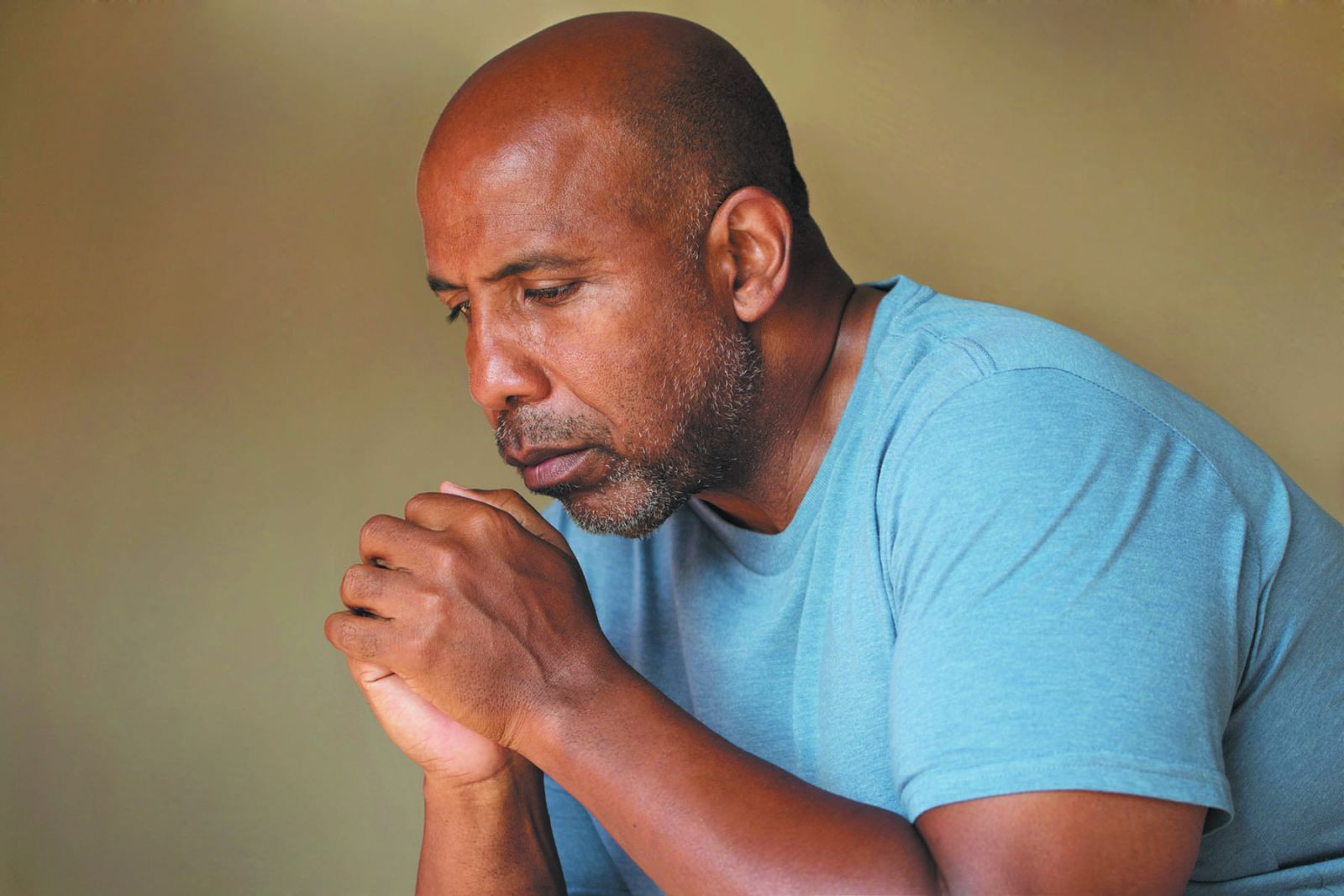
Depression has a way of sucking the joy and meaning from life. Chronic feelings of hopelessness, apathy, or despair are part of the condition. It may also bring physical symptoms, such as weight loss, sleep disturbance, fatigue, and aches and pains. But depression can be sneaky, causing subtle changes in thinking skills that you may not attribute to the condition. "Very often, one of the first signs of depression in people ages 70 or older is a change in thinking," says Dr. Helen Farrell, a psychiatrist with Harvard-affiliated Beth Israel Deaconess Medical Center.
What's the connection?
Depression may involve the interruption or reduction of chemical messengers in the brain called neurotransmitters, such as serotonin, dopamine, and norepinephrine. These chemical changes may be the cause of your depression (if the brain systems that regulate them go awry), or they may result from other depression triggers, such as the following:


Physicians and opioids: Part of the solution, but challenges ahead
As doctors acknowledge the role that they have played in the current opioid crisis, they, along with hospitals, medical schools, and other members of the medical community have worked to address the issue on several fronts, including instituting prescribing guidelines and offering continuing education to prescribers.
Uncovering the link between emotional stress and heart disease
The brain's fear center may trigger inflammation and lead to a heart attack. But stress reduction techniques can break the chain.
Image: © Cardiology Division, Massachusetts General Hospital
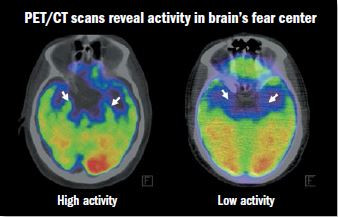
A small, almond-shaped area deep inside the brain called the amygdala is involved in processing intense emotions, such as anxiety, fear, and stress. Now, a new brain-imaging study reveals how heightened activity in the amygdala may trigger a series of events throughout the body that raises heart attack risk.
"This study identifies a mechanism that links stress, artery inflammation, and subsequent risk of a heart attack," says study leader Dr. Ahmed Tawakol, an associate professor of medicine at Harvard Medical School. Earlier animal studies have shown that stress activates bone marrow to make white blood cells. These infection-fighting cells trigger inflammation, a process that encourages the buildup of fatty plaque inside artery walls. "But what we didn't know was, does this happen in humans? And what is the role of the brain?" he says.

Tired of being fatigued
Don't accept regular fatigue as part of aging.
Image: © seb_ra/Thinkstock
Weariness, tiredness, lack of energy. There are many ways to describe those times when you are so fatigued you can't do anything. Often you bounce back after a quick rest or a good night's sleep, but if fatigue is occurring more often and lasting longer, it could be a sign of something more serious.
"Men may chalk up fatigue to aging, but there is no reason you should battle ongoing fatigue," says Dr. Suzanne Salamon, a geriatric physician with Harvard-affiliated Beth Israel Deaconess Medical Center. "Everyone gets tired sometimes, and your endurance may decline with age — you may not move as fast and sometimes tire quicker — but you should never be too fatigued to enjoy an active lifestyle."

Depression and pain
Hurting bodies and suffering minds often require the same treatment.
Pain, especially chronic pain, is an emotional condition as well as a physical sensation. It is a complex experience that affects thought, mood, and behavior and can lead to isolation, immobility, and drug dependence.
In those ways, it resembles depression, and the relationship is intimate. Pain is depressing, and depression causes and intensifies pain. People with chronic pain have three times the average risk of developing psychiatric symptoms — usually mood or anxiety disorders — and depressed patients have three times the average risk of developing chronic pain.

Time spent in “green” places linked with longer life in women
Greenery might do more than just cheer us up. A recent study shows it lowers the mortality rate in women. Green spaces decrease levels of depression and pollution while increasing levels of social engagement and physical activity. If you are lucky enough to be surrounded greenery, get out there and enjoy it more. Even urban areas can increase their greenery by planting more trees and shrubs. See if you can get your community to plant more plants. It will help everyone out in the long run.
Light exposure at night may raise risk for heart disease
Whole grains may improve several heart risk factors at once
A lumbar belt may help ease low back pain
Children of centenarians may stay healthier and live longer too, study finds
Signs of pneumonia: Sometimes vague and unexpected
The surprising link between ovarian cancer and the fallopian tubes
Using a vibration plate: What it can — and can't — do for your body
People who walk more or walk faster live longer, study finds
For sleep apnea, a dental device may be as effective as CPAP
Rosacea treatments: What works?
Free Healthbeat Signup
Get the latest in health news delivered to your inbox!
Sign Up
