

Light exposure at night may raise risk for heart disease

Whole grains may improve several heart risk factors at once

A lumbar belt may help ease low back pain

Children of centenarians may stay healthier and live longer too, study finds

Signs of pneumonia: Sometimes vague and unexpected

The surprising link between ovarian cancer and the fallopian tubes

Using a vibration plate: What it can — and can't — do for your body

People who walk more or walk faster live longer, study finds

For sleep apnea, a dental device may be as effective as CPAP

Rosacea treatments: What works?
Stress Archive
Articles

3 easy ways to boost your brain
Mind-bending puzzles aren't the only route to improving memory and reason. Activities that engage your emotions and senses may be even better.
Image: JDwow /Thinkstock
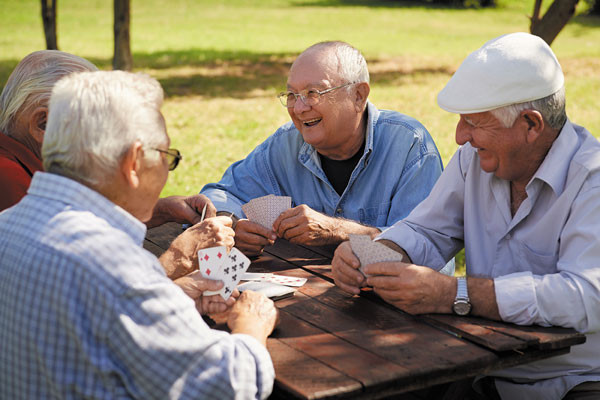
In the midst of promotions for commercial brain training programs to ward off age-related cognitive decline, a few studies are beginning to indicate that simple pleasures may be even more productive. You may find that doing one of the following is an easier and more rewarding way to boost your brain than doing computer-based exercises.
1. Care for a dog
2. Color a picture
It's little wonder that 12 million adult coloring books—based on topics ranging from endangered species to art nouveau designs—were sold in 2015. Crayon sales also jumped by $11 million. Creating art—even if it means coloring inside the lines—can be both stimulating and relaxing.
Moreover, according to a 2015 German study, actively creating art also improves spatial reasoning. The German researchers randomly assigned 28 retirees in their 60s to two groups, both of which met weekly for 10 weeks. One group took classes in which they drew, sculpted, or painted; the other went to museums and analyzed the art they viewed. Both groups underwent tests and brain MRI scans at the beginning and end of the study. The researchers determined that, compared with the people who analyzed art, those who created art had greater improvement in the ability to detect spatial relationships and more activity in the region of the brain responsible for spatial perception.
3.Play with a child

Another way to think about dementia
Vascular dementia is a less prevalent type of memory loss that nonetheless affects many older men.
Image: Mike Watson Images/Thinkstock
While Alzheimer's disease continues to be the most recognized type of dementia, older men should also be mindful about the second most common: vascular dementia.
In vascular dementia, memory problems result from damage to large and small blood vessels in the brain. It develops when cholesterol-clogged blood vessels can't deliver enough oxygen to the brain. Small blockages deprive some brain cells of oxygen, which causes a series of small strokes that kill brain cells. This can lead to episodes of confusion, slurred speech, and problems thinking or remembering.
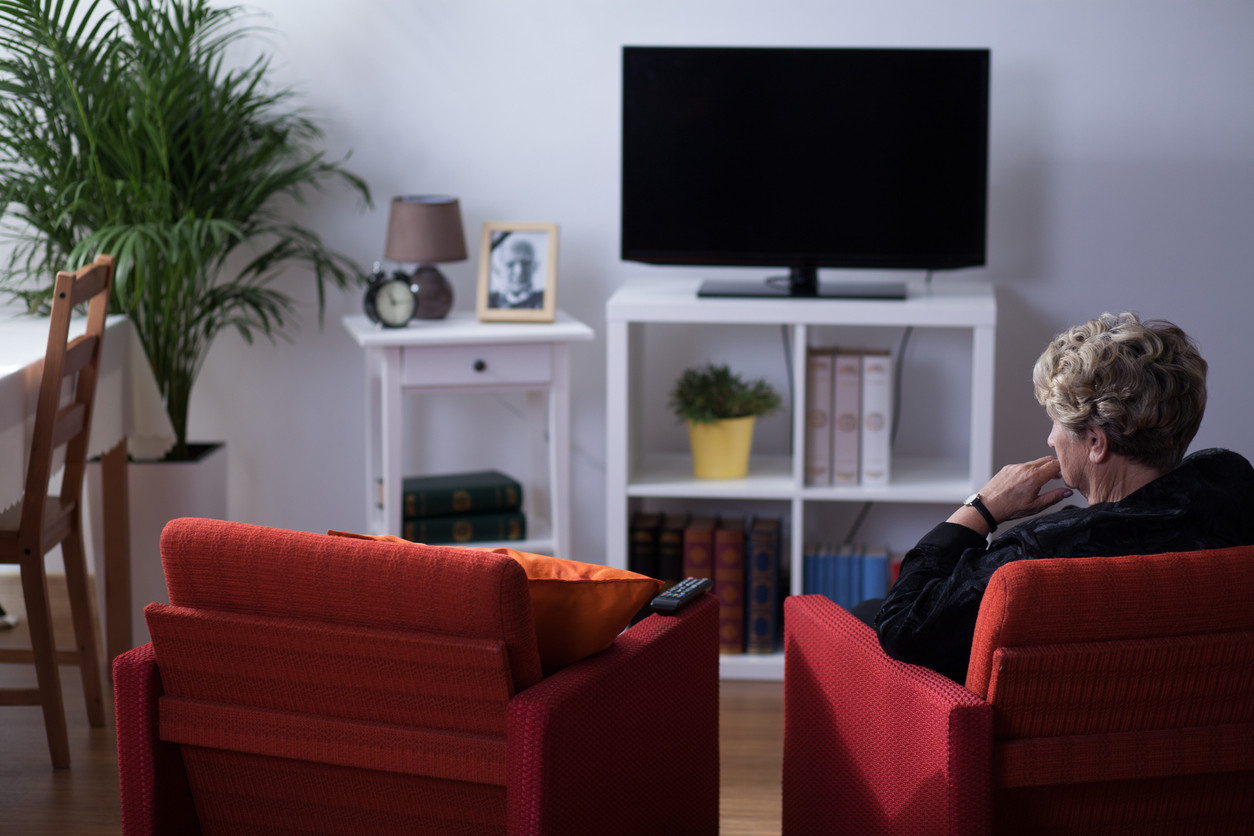
Loneliness may be a marker for Alzheimer’s disease
Older adults who report feeling lonely had a greater risk of testing positive for high amyloid levels in the brain, a marker of Alzheimer’s disease, according to research from the Harvard Aging Brain Study.

Are heart attack triggers real?
A large international study of people around the world suggests that extreme physical exertion or emotional upset may be triggers for a heart attack.
Working out while angry? Just don’t do it
Anger or emotional upset may double the risk of having a heart attack. Heavy physical exertion appears to have the same effect. And people who do intense exercise while they’re upset or mad may face three times the risk of heart attack.

The healing power of touch
Massage therapy can help relieve pain, speed recovery from injury or surgery, and reduce stress.
Image: Jacob Wackerhausen /Thinkstock
Men may think of massage as an occasional treat or a vacation indulgence, but this type of therapy could be a natural way to stay healthy and pain-free.
One of the most common health issues for older men is chronic pain, defined as pain that lasts more than 12 weeks. This includes back pain, headache, cancer pain, and arthritis pain. Then there are the everyday aches from daily living. All of these act as barriers to a healthy lifestyle.

Stopping exercise for 10 days can decrease brain blood flow
Stopping exercise for 10 days can reduce brain blood flow by 20% to 30% in eight brain regions, including the hippocampus, which is responsible for learning and memory and is one of the first brain regions to shrink in Alzheimer’s disease.

Health advice for 2017: Simplify, simplify
You may be able to save time and money—and spare yourself frustration—by adopting a more minimal approach to preventing disease.
Image: monkeybusinessimages /Thinkstock
As the Shaker lyrics go, "'Tis the gift to be simple," and simplicity is a gift you might want to grant yourself in the new year. If so, you'll have some help from health experts. In the past few years, complicated advice for diet and exercise has given way to simpler, more sustainable guidelines, and the FDA has come down in favor of simple soap and water over antimicrobial cleaners to prevent infectious diseases.
If you've vowed to make positive changes in your lifestyle this year, you're likely to be more successful if you don't take on complex new regimens. "People can achieve remarkable changes in their lives one small step at a time," says Dr. Edward M. Phillips, assistant professor of physical medicine and rehabilitation at Harvard Medical School and medical editor of the Harvard Special Health Report Simple Changes, Big Rewards (www.health.harvard.edu/change).
How to make boredom work for you
Exploring why you're bored can stimulate creativity and lead to a better understanding of yourself.
Image: KatarzynaBialasiewicz/iStock
Most of us have had times when we couldn't find anything satisfying to do or couldn't keep our attention focused on a lecture or book. If we were asked to describe how we felt at the time, we'd probably have answered "bored."
Boredom doesn't necessarily arise from having nothing interesting to do. For example, you can probably remember sitting quietly watching the sun slowly set and being completely enthralled. Compare that to another moment in which you've also sat quietly—but in slow moving traffic—and felt terribly bored. "What makes the difference is whether during a low-stimulation moment, there are unpleasant feelings in the background. Many of us habitually distract ourselves from unpleasant feelings through entertainment or activity—like checking our smartphones, or watching TV," says Dr. Ronald Siegel, a psychologist at Harvard Medical School and the medical editor of the Harvard Special Health Report Positive Psychology. "Sometimes when there is little to engage us, those unpleasant feelings bubble into our consciousness and we feel something unpleasant, which we identify as boredom. Other times we're content to just be present—like when enjoying a sunset."

Weight training may boost brain power
Weight training improved mental performance in a study of 100 men and women ages 55 through 86 who had mild cognitive impairment.
Light exposure at night may raise risk for heart disease
Whole grains may improve several heart risk factors at once
A lumbar belt may help ease low back pain
Children of centenarians may stay healthier and live longer too, study finds
Signs of pneumonia: Sometimes vague and unexpected
The surprising link between ovarian cancer and the fallopian tubes
Using a vibration plate: What it can — and can't — do for your body
People who walk more or walk faster live longer, study finds
For sleep apnea, a dental device may be as effective as CPAP
Rosacea treatments: What works?
Free Healthbeat Signup
Get the latest in health news delivered to your inbox!
Sign Up
