

Whole grains may improve several heart risk factors at once

Light exposure at night may raise risk for heart disease

Children of centenarians may stay healthier and live longer too, study finds

A lumbar belt may help ease low back pain

Signs of pneumonia: Sometimes vague and unexpected

Using a vibration plate: What it can — and can't — do for your body

The surprising link between ovarian cancer and the fallopian tubes

People who walk more or walk faster live longer, study finds

Rosacea treatments: What works?

For sleep apnea, a dental device may be as effective as CPAP
Sexual Health Archive
Articles
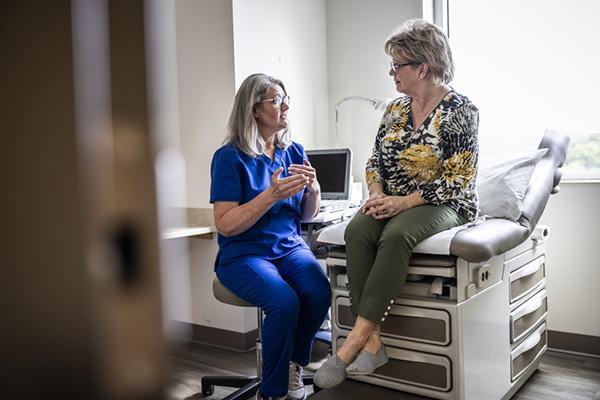
Can estrogen cream help with vaginal atrophy?
Vaginal dryness and discomfort can affect intimacy and daily life. See which options may ease symptoms linked to changing estrogen levels.
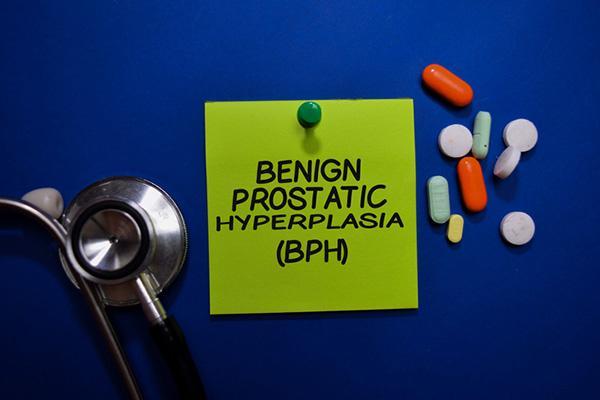
BPH treatment options when drugs are not enough
When medications and lifestyle changes no longer control symptoms of an enlarged prostate, a range of surgical and minimally invasive procedures can restore urine flow. Each option offers different trade-offs in side effects, recovery, and duration of relief.

STIs later in life: What men need to know
It’s possible for people of any age to contract sexually transmitted infections (STIs). STIs are sometimes symptom-free, making them easy to miss, pass along, and ignore.

How chemotherapy can affect women's sexual health — and what can help
Chemotherapy treatment in women can diminish hormone levels that affect sexual health and intimacy. It can also alter self-image, sex drive, and emotions. Research suggests anywhere from 40% to 100% of cancer survivors struggle with sexual dysfunction.

Why testosterone levels drop and when to consider treatment
Low libido, erectile dysfunction, fatigue, reduced muscle mass, hot flashes, and more may be symptoms of testosterone deficiency. Testing can help determine the diagnosis, and testosterone replacement therapy may help counter the decline in the hormone.

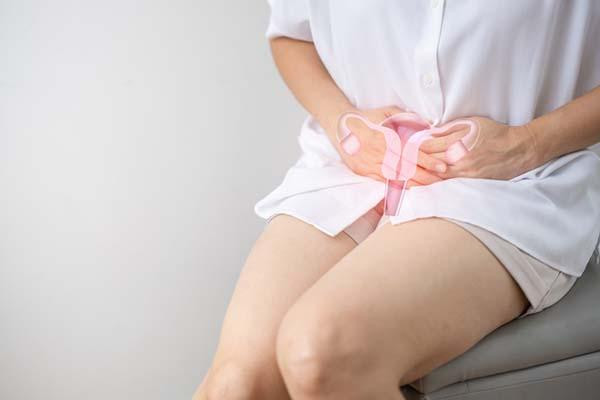
A new name for vaginal atrophy: Genitourinary syndrome of menopause
Genitourinary syndrome of menopause, or GSM, was once called vaginal atrophy. But experts changed the name to better reflect the full scope of symptoms, which include vaginal thinning and dryness; burning, irritation, and itching; pain during intercourse; urinary issues such as increased urgency and frequency; and higher risk of urinary tract infections. The majority of women with GSM symptoms don't discuss it with their doctors. But a Harvard expert says they should, since GSM is progressive and can lead to dangerous problems.

Is your heart ready for sex?
Most men can resume regular sexual activity after a heart attack once they can engage in mild-to-moderate physical activity without experiencing marked fatigue, chest pain, or shortness of breath. For heart-related procedures like angioplasty with stent placement (to open a blocked artery and restore blood flow), coronary artery bypass surgery, or open-heart surgery, men should wait until surgical sites have fully healed before resuming sex. At the same time, men should address any lingering heart disease risk factors, such as high blood pressure and excess weight.

Try this: Dealing with bedtime backaches
Men can overcome the barrier of back pain in the bedroom by trying different sexual positions and adjusting their intensity and frequency.

Pelvic floor SOS
An estimated six in 10 women will at some point experience symptoms from pelvic floor weakness. Risk factors include pregnancy (especially with vaginal delivery), chronic constipation, family history, smoking, aging, menopause, obesity, chronic coughing, and occupations involving heavy lifting. Women with pelvic floor weakness may experience signs such as leaking urine, having trouble using a tampon, being unable to fully empty their bladder or rectum, and feeling a bulge in their vagina.
Whole grains may improve several heart risk factors at once
Light exposure at night may raise risk for heart disease
Children of centenarians may stay healthier and live longer too, study finds
A lumbar belt may help ease low back pain
Signs of pneumonia: Sometimes vague and unexpected
Using a vibration plate: What it can — and can't — do for your body
The surprising link between ovarian cancer and the fallopian tubes
People who walk more or walk faster live longer, study finds
Rosacea treatments: What works?
For sleep apnea, a dental device may be as effective as CPAP
Free Healthbeat Signup
Get the latest in health news delivered to your inbox!
Sign Up
