How chemotherapy can affect women's sexual health — and what can help
Managing side effects can help you maintain your overall sense of well-being during a challenging time.
- Reviewed by Katharine Esselen, MD, Contributor
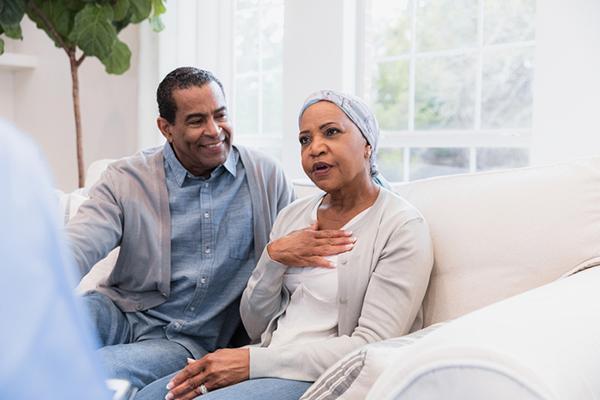
If you’ve been diagnosed with cancer, it stands to reason that one of the last things on your mind is your sexual health. But many women tell gynecologic oncologist Dr. Katharine Esselen that chemotherapy, as well as other cancer treatments, have nevertheless changed their sex lives in myriad — and often unexpected — ways.
Chemotherapy side effects can include far more than the typical fatigue, nausea, and vomiting. Chemotherapy drugs can cause wide-ranging effects on the body, including diminished hormone levels that spur physical changes in the vagina and vulva and color how you feel about intimacy.
Ultimately, women’s sexuality doesn’t vanish when cancer shows up, says Dr. Esselen, who practices at Harvard-affiliated Beth Israel Deaconess Medical Center.
“Sexual health and intimacy are an important part of people’s wellness,” she says. “If that’s not working, it can worsen someone’s overall quality of life during their cancer experience and afterward.”
Physical and emotional effects
Decreased hormone levels resulting from chemotherapy drugs can set off a chain reaction affecting body and mind, leading to physical issues such as
- vaginal dryness and irritation
- diminished arousal or sensation
- pain during sex.
“Chemotherapy damages ovarian tissue, which disrupts an important feedback loop from the ovaries to the brain that tells ovaries how much estrogen and progesterone to produce,” Dr. Esselen explains. “The ovaries can even stop producing hormones, and that drives many functional changes in vaginal health, thinning the lining of the vagina and producing less lubrication. This directly affects a woman’s ability to have pain-free intercourse or enjoyable vaginal sex.”
Shifts in emotions and body image are also a major part of the picture. The effects of chemotherapy can include hair loss and weight changes, shaking a patient’s sense of self. Anxiety and depression are also common after a cancer diagnosis, Dr. Esselen says. Any of these changes, or a combination, can affect a woman’s sex drive.
“Chemo makes people feel lousy,” she says. “If someone’s not feeling well, it’s no surprise their libido may go down.”
Younger women might also face early menopause, and those who hope to become pregnant after treatment might need to explore assisted fertility techniques such as egg freezing or in vitro fertilization.
Targeted tactics
What practical solutions can help? Dr. Esselen suggests these strategies.
For vaginal dryness and discomfort:
- Use over-the-counter lubricants and vaginal moisturizers. “Much like you moisturize other parts of your body, you can use these products several times a week both during chemotherapy and beyond,” she says. “They can be very beneficial.”
- Consider hormone therapy. If your type of cancer isn’t hormone-sensitive (check with your oncologist), you may be able to use hormone therapy to shore up flagging estrogen and progesterone levels. It’s available for systemic use in patches, pills, and skin gels, or for localized use with rings, suppositories, and creams that are inserted into the vagina.
- Try pelvic floor physical therapy. This approach uses exercises and other techniques to strengthen, relax, or coordinate muscles surrounding the pelvic floor (the sling of muscles supporting the vagina, uterus, bladder, and rectum). “Those muscles can be very tight and spasm,” Dr. Esselen says. “Physical therapy can restore their function, which can be very helpful for pain with intercourse.”
For emotional challenges, opt for counseling or sex therapy. A therapist can help you sort through treatment side effects that affect how you see yourself or your relationship, Dr. Esselen says.
Don’t stay silentResearch delving into sexual dysfunction suggests that anywhere from 40% to 100% of cancer survivors struggle with some form of the problem, according to Dr. Katharine Esselen, a gynecologic oncologist at Beth Israel Deaconess Medical Center. Despite its prevalence, however, many cancer patients and survivors hesitate to broach the issue with their clinicians, she says. That’s a mistake, given how integral sexual health is to people’s sense of energy and vitality. “If something is really bothering you and affecting your well-being and relationship, it should be talked about,” Dr. Esselen says. “And if you’re uncertain what’s okay or not okay to do in your sex life, or you’re experiencing a symptom when you try to have a sexual interaction, you should feel empowered to discuss it with your doctors.” |
Image: © SDI Productions/Getty Images
About the Author

Maureen Salamon, Executive Editor, Harvard Women's Health Watch
About the Reviewer

Katharine Esselen, MD, Contributor
Disclaimer:
As a service to our readers, Harvard Health Publishing provides access to our library of archived content. Please note the date of last review or update on all articles.
No content on this site, regardless of date, should ever be used as a substitute for direct medical advice from your doctor or other qualified clinician.