

CoQ10: Should you take this popular supplement if you're on a statin?

Microplastics: A hidden health threat?

Oat vs. dairy milk: Nutrition, benefits, and downsides

What is tempeh? Benefits, nutrition, and how to use it

Healing after food poisoning

Children of centenarians may stay healthier and live longer too, study finds

Light exposure at night may raise risk for heart disease

Whole grains may improve several heart risk factors at once

A lumbar belt may help ease low back pain

Signs of pneumonia: Sometimes vague and unexpected
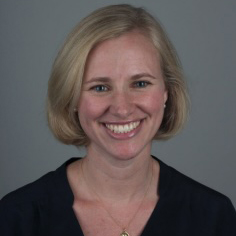
Katharine Esselen, MD
Contributor
Dr. Kate Esselen is a gynecologic oncologist at Beth Israel Deaconess Medical Center in Boston, and an assistant professor of obstetrics, gynecology, and reproductive biology at Harvard Medical School. She earned a biology degree with honors from Brown University, then a combined M.D. and M.B.A. from Tufts University School of Medicine. She completed her obstetrics and gynecology residency at Brigham and Women’s and Massachusetts General Hospitals, and a gynecologic oncology fellowship at Brigham and Women’s Hospital.
Posts by Katharine Esselen, MD
CoQ10: Should you take this popular supplement if you're on a statin?
Microplastics: A hidden health threat?
Oat vs. dairy milk: Nutrition, benefits, and downsides
What is tempeh? Benefits, nutrition, and how to use it
Healing after food poisoning
Children of centenarians may stay healthier and live longer too, study finds
Light exposure at night may raise risk for heart disease
Whole grains may improve several heart risk factors at once
A lumbar belt may help ease low back pain
Signs of pneumonia: Sometimes vague and unexpected

