A new name for vaginal atrophy: Genitourinary syndrome of menopause
The updated term better captures a broad spectrum of symptoms. Learn what they are and how to combat them.
- Reviewed by Lisa Baute, MD, Contributor
What's in a name? Quite a lot, it turns out - especially when it comes to the diagnosis once called vaginal atrophy, now known as genitourinary syndrome of menopause (GSM).
When the name changed, it wasn't just semantics; it was science catching up to women's lived experiences. But public awareness hasn't quite kept pace, likely because women tend not to want to talk about GSM, a Harvard expert says.
Vaginal atrophy refers specifically to the thinning or drying of vaginal tissues after menopause. But the term GSM encompasses a range of symptoms and conditions tied to menopause-related changes in the genitals and urinary tract.
In this way, using the term GSM is more than a rebrand. The newer name reflects a broader understanding of the scope of the phenomenon, whose symptoms likely affect up to 85% of women in midlife and beyond, says Dr. Lisa Baute, a gynecologist and menopause expert at the Midlife Women's Health Center at Harvard-affiliated Massachusetts General Hospital.
"Unlike the hot flashes that tend to get better as you get further out from the initial menopause transition, symptoms of GSM can be progressive - they can continue to get worse," Dr. Baute says.
Why estrogen loss matters
Vaginal atrophy is a component of GSM, but the phrase really only describes the appearance of vaginal tissues, Dr. Baute says. GSM, on the other hand, reflects how the decline of estrogen at menopause affects numerous types of tissue in the urogenital tract - not just the vagina, but also the vulva, urethra, and bladder.
Estrogen helps all these tissues maintain normal blood flow, thickness, elasticity, and moisture levels. When the hormone diminishes, they lose that crucial support.
In addition to vaginal thinning and dryness, GSM symptoms can include
- burning, irritation, and itching in and around the vagina and vulva
- decreased lubrication during sexual activity
- pain during intercourse
- inability to reach orgasm
- urinary issues such as increased urgency and frequency
- bleeding after sexual activity
- vaginal or pelvic pain or pressure
- higher risk of urinary tract infections (UTIs).
Not surprisingly, the more symptoms women experience, the greater the disruption to their lives. "GSM can affect women's sexual intimacy, as well as their ability or desire to be active if they have bothersome symptoms while exercising," Dr. Baute says. "It can also affect self-esteem, maybe even cause women to feel older than they are."
Indeed, women with GSM are less satisfied with sex and more likely to avoid it because it can be painful, according to a study published in the August 2025 issue of Menopause. Moreover, for many men, knowing of their partners' vaginal discomfort leads to their own loss of desire.
"It doesn't surprise me at all that women will avoid sex if it hurts," Dr. Baute says. "And I think a sensitive man would certainly be affected, and perhaps stop making advances if he knows his partner is finding sex uncomfortable."
Blasting the stigma
The term GSM is also less stigmatizing than the former moniker, she notes. But many women still don't broach the subject, sometimes because they feel ashamed, or because they assume it's an inevitable part of aging. About 70% of women with signs and symptoms of GSM don't discuss it with a clinician, according to the National Institutes of Health.
But that's a mistake, Dr. Baute says. "If left untreated, symptoms will just continue," she says. "The vaginal opening can narrow over time, so that can add another layer of complexity to discomfort with intercourse." The inner labia can also diminish in size or completely retreat.
If recurrent UTIs are part of the picture, that can even prove dangerous. "An infection that initially starts in the bladder but is left untreated can affect the kidneys as well, and worsen kidney function," Dr. Baute says.
For all these reasons, women shouldn't be afraid to be candid with their doctor about GSM symptoms. "We want to help you be comfortable, especially because there are beneficial options," she says. (See "GSM treatment options.") "You don't need to wait until your annual exam, either - you can make an appointment specifically to start the conversation."
GSM treatment optionsManaging symptoms of genitourinary syndrome of menopause (GSM) often involves a personalized blend of approaches to boost vaginal comfort and ward off urinary tract infections (UTIs). Try these strategies: Lifestyle measures. Avoid potential irritants around the vulva and vagina such as harsh or highly scented soaps and cleansers. Personal products. Over-the-counter lubricants and vaginal moisturizers can fill the gap in natural moisture and increase day-to-day comfort. "For some women with milder symptoms, first-line treatments are nonhormonal vaginal lubricants they can use with sexual activity, or longer-acting vaginal moisturizers they can use a couple of times a week," says Dr. Lisa Baute, a gynecologist and menopause expert at Massachusetts General Hospital. Hormone treatments. Various types of hormone treatment can counter GSM's effects. Prescription creams, rings, and tablets that introduce estrogen directly to vaginal tissues are considered the gold standard. Meanwhile, the supplement dehydroepiandrosterone (DHEA) - a hormone produced naturally by the body - can also help, Dr. Baute says. All improve the quality of skin and tissue in and around the vagina, as well as thicken vaginal walls and increase natural lubrication. They also help restore the normal pH of the vagina, helping ward off bacteria that can cause UTIs. |
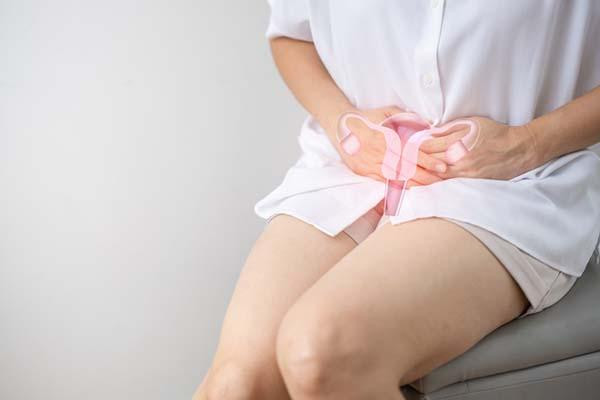
Image: © Oat_Phawat/Getty Images
About the Author

Maureen Salamon, Executive Editor, Harvard Women's Health Watch
About the Reviewer

Lisa Baute, MD, Contributor
Disclaimer:
As a service to our readers, Harvard Health Publishing provides access to our library of archived content. Please note the date of last review or update on all articles.
No content on this site, regardless of date, should ever be used as a substitute for direct medical advice from your doctor or other qualified clinician.