

Even a little exercise linked with lower stroke risk in people with afib

Testosterone therapy without evidence of deficiency may boost heart risk

Weight-loss drug may lower risk of heart attacks and infections

What to eat on the DASH diet

Migraine: How it's diagnosed and what that means

Tricep workouts you can do at home

Mindfulness practices to reduce stress and improve focus

Antihistamines may not offer meaningful relief from eczema symptoms

Overweight and taking blood pressure medications: Study finds it's a trend that's working

FDA approves first mRNA-based flu vaccine
Medical devices Archive
Articles

After hospitalization for heart disease: Avoid opioid drugs?
Research we're watching
People with heart disease who leave the hospital with a prescription for opioids may be more likely to miss follow-up care than those not prescribed opioids, a new study finds.
The study included nearly 2,500 people (mostly white men with an average age of 60) who were discharged from a university medical center after a heart attack or sudden heart failure. One in five were prescribed the powerful pain relievers known as opioids. Those people were less likely to follow up with their health care provider or to participate in cardiac rehabilitation than those not prescribed opioids.
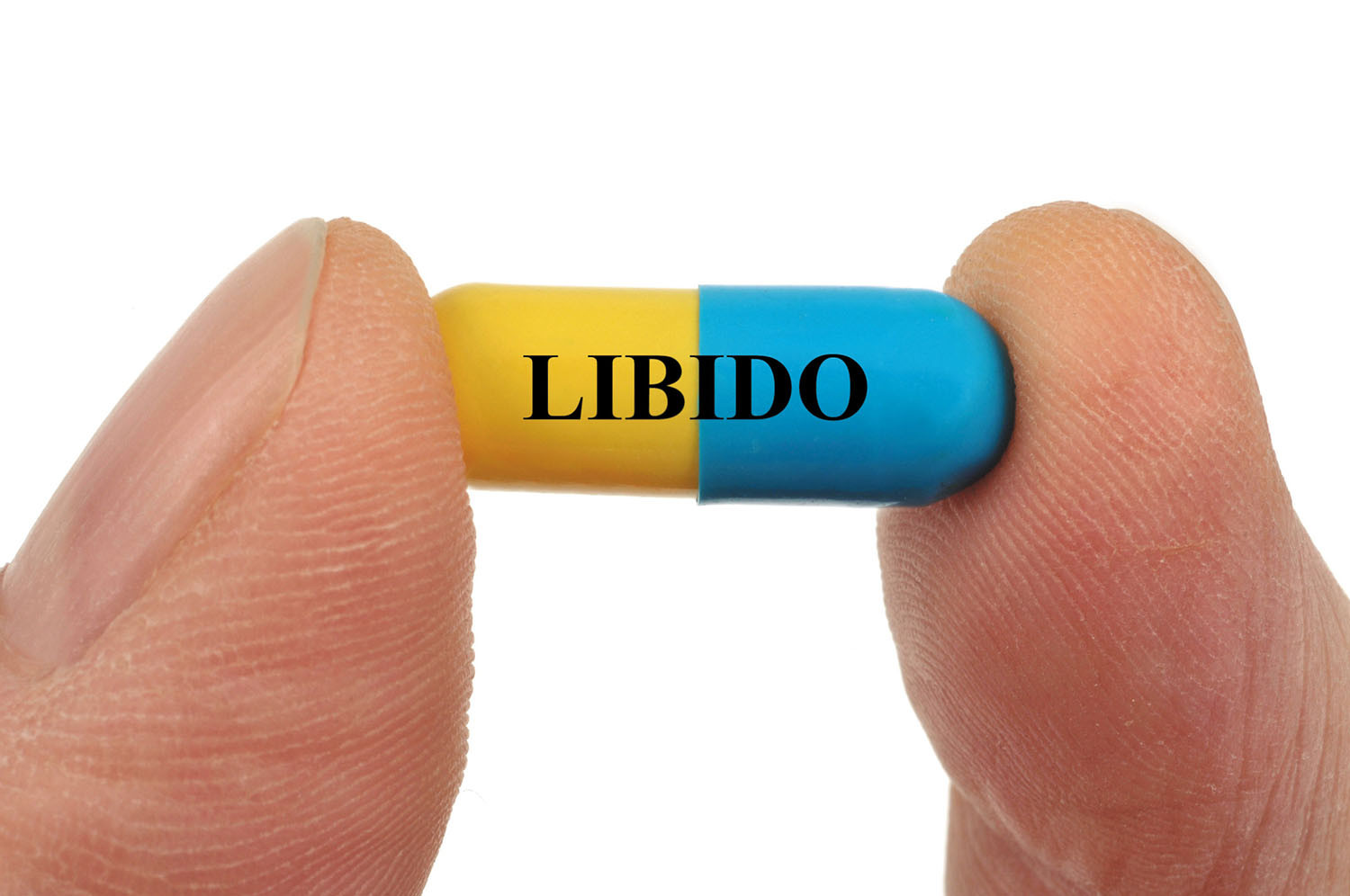
Can blood pressure medications interfere with my sex drive?
On call
Q. I know that erectile dysfunction can be a common side effect of blood pressure medications, but can they also lower my sex drive?
A. Sexual issues are a side effect of many medications, including ones prescribed to lower blood pressure. You're correct that erectile dysfunction (ED) is mentioned most frequently. But blood pressure medicines also can decrease sexual drive or make it more difficult to reach orgasm.

Get healthy for vacation
Don't neglect healthy habits when planning your summer travels.
Before you leave for summer vacation, don't forget to pack some good health.
"While you should follow healthy habits year-round, you should give extra attention to certain areas when you travel, since you are often more active than usual," says Dr. Wynne Armand, a primary care physician at Harvard-affiliated Massachusetts General Hospital.

Taking osteoporosis drugs shouldn't prevent you from getting oral surgery
A drug holiday is one recommendation to reduce the risk of a rare bone condition that affects the jaw.
A dentist refers a woman to an oral surgeon because she needs a tooth pulled. But upon reviewing her chart, the oral surgeon turns her away.
The reason? She's taking a common medication to treat her osteoporosis, a condition that causes bones to become thin, brittle, and prone to fracture.

Muscle aches from statins: Real, but sometimes imagined?
The "nocebo effect" may explain why some people believe they can't tolerate statins.
For more than 20 years, cholesterol-lowering statin drugs have been a mainstay for preventing and treating heart disease. But up to half of people prescribed these drugs are no longer taking them within a year or two. The reasons vary, but some people experience what they believe to be statin-related side effects — most often muscle pain. Others avoid statins altogether because of worries over side effects.
"Far too any people think they cannot tolerate statins when they actually can," explains Dr. Jorge Plutzky, director of preventive cardiology at Harvard-affiliated Brigham and Women's Hospital. To be clear, muscle problems are a known side effect of statins. However, serious muscle-related complications are extremely rare (see "What is rhabdomyolysis?"). And when people experience the more common — but less worrisome — muscle-related symptoms, those issues usually resolve with a lower statin dose or a change to a different statin, Dr. Plutzky says.

What happens if my stent stops working?
Ask the doctor
Q. I just got a stent placed in my heart artery and feel great again. If it develops problems, can it be treated?
A. Stents, the tiny wire-mesh tubes used to prop open blocked arteries, are useful for treating heart attacks and chest pain that occurs with physical activity. They're placed during a coronary angioplasty and stenting procedure, which usually involves snaking a thin tube (catheter) through a vessel in the upper thigh or the wrist up to the heart. After more than two decades of use, today's stents are safer and more effective that the original versions. Problems can still arise, but they are uncommon and treatable.

Heart rhythm monitoring with a smartwatch
These wrist-worn devices are better than ever at gathering data. But it's still too early to use them to screen for atrial fibrillation.
The original wristband monitors were pretty basic: they tracked your movement and tallied your daily steps. But before long, these digital devices could also estimate your heart rate, thanks to a sensor that measures changes in blood flow through your skin. Now, there are smartwatches with special sensors that can record a tracing of your heart's electrical signature (electrocardiogram or ECG) and alert you if it detects an irregular rhythm.
Last fall, the FDA granted Apple approval for the ECG sensor and an app that includes an algorithm to detect atrial fibrillation, or afib, the most common heart rhythm disorder (see "What is atrial fibrillation?"). While the Apple Watch Series 4 is the first of its kind to offer this feature, other companies have similar technologies in the works.

Nothing to sneeze at
Here's how to prepare for the coming allergy season.
Spring is in the air, and so are millions of pollen particles, the tiny grains that fertilize plants. Seasonal allergies — also known as hay fever — can affect almost anyone and at any time in life. Although most people begin to experience allergies in childhood or early adulthood, sometimes the symptoms become more problematic later in life, especially if their living environment changes.
"Even if you have never suffered from allergies — or used to when you were much younger but not anymore — there is a good chance you will become more sensitive to pollen as you reach your 60s and 70s, although it's not clear why," says Dr. Mariana Castells, of the Department of Allergy, Rheumatology, and Immunology at Harvard-affiliated Brigham and Women's Hospital.

The combo of Mediterranean diet and statins can protect against a fatal second heart attack
In the journals
People who have had a heart attack or a stroke are routinely prescribed a statin to reduce the risk of a repeat event. But by also following a Mediterranean-style diet, they can improve their chance of living longer, suggests a study in the Feb. 1, 2019, issue of the International Journal of Cardiology.
The study looked at 1,180 people, average age 68, who had at least one previous heart attack or stroke, and recorded their statin use and diet intake at the study's beginning. The researchers identified the people who faithfully followed a Mediterranean-style diet. A Mediterranean-style diet involves consuming medium to high amounts of whole fruits and vegetables, whole grains, legumes and nuts, olive oil, and poultry and fish, with limited amounts of red meat, alcohol, and dairy.
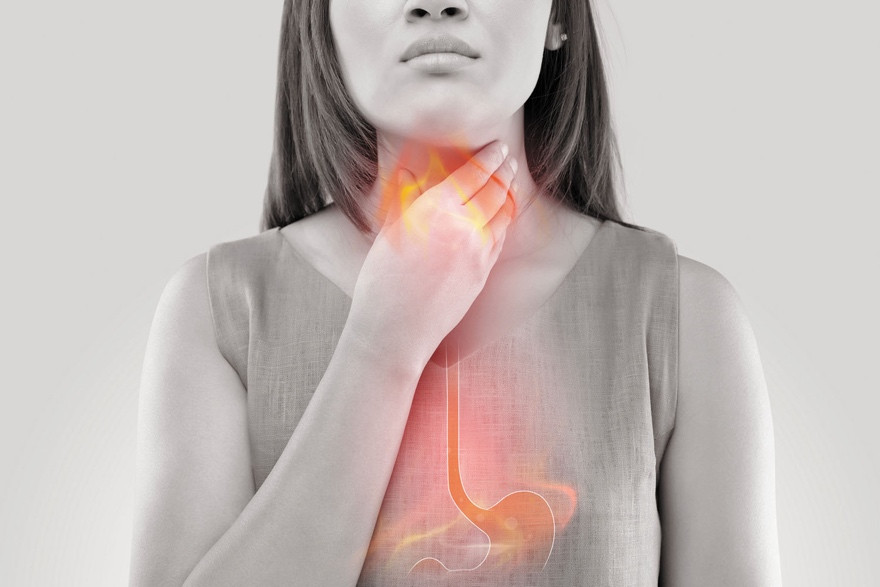
Feeling the burn? Antacids can provide some relief
But these remedies aren't the best choice if you have frequent heartburn.
You feel the familiar sensation in your chest: heartburn. Again, you find yourself reaching for the bottle of antacids in the medicine cabinet. It's something you've done a few times a week for the past six months. Is it okay to keep popping over-the-counter acid reducers, or is it time to see a doctor?
We asked two experts, Dr. Jennifer Nayor and Dr. Molly Linn Perencevich, both instructors in medicine at Harvard Medical School, for their thoughts on heartburn, including when it's okay to use over-the-counter antacids and when you should seek other treatments. Below are their responses.
Even a little exercise linked with lower stroke risk in people with afib
Testosterone therapy without evidence of deficiency may boost heart risk
Weight-loss drug may lower risk of heart attacks and infections
What to eat on the DASH diet
Migraine: How it's diagnosed and what that means
Tricep workouts you can do at home
Mindfulness practices to reduce stress and improve focus
Antihistamines may not offer meaningful relief from eczema symptoms
Overweight and taking blood pressure medications: Study finds it's a trend that's working
FDA approves first mRNA-based flu vaccine
Free Healthbeat Signup
Get the latest in health news delivered to your inbox!
Sign Up
