

Even a little exercise linked with lower stroke risk in people with afib

Testosterone therapy without evidence of deficiency may boost heart risk

Weight-loss drug may lower risk of heart attacks and infections

What to eat on the DASH diet

Migraine: How it's diagnosed and what that means

Tricep workouts you can do at home

Mindfulness practices to reduce stress and improve focus

Antihistamines may not offer meaningful relief from eczema symptoms

Overweight and taking blood pressure medications: Study finds it's a trend that's working

FDA approves first mRNA-based flu vaccine
Medical devices Archive
Articles

Straight talk about your sex life
Although many older men enjoy active sex lives, most don't share sex-related questions and concerns with their doctor.
Image: © bernardbodo/Getty Images
While you discuss many subjects with your doctor, like proper blood pressure and cholesterol levels, your sex life probably doesn't make the list — but it should.
"Even though you may have an aging body, you can still feel healthy, vigorous, and full of life, and your sex life should be part of that," says Dr. Sharon Bober, director of the Sexual Health Program at Harvard-affiliated Dana-Farber Cancer Institute.
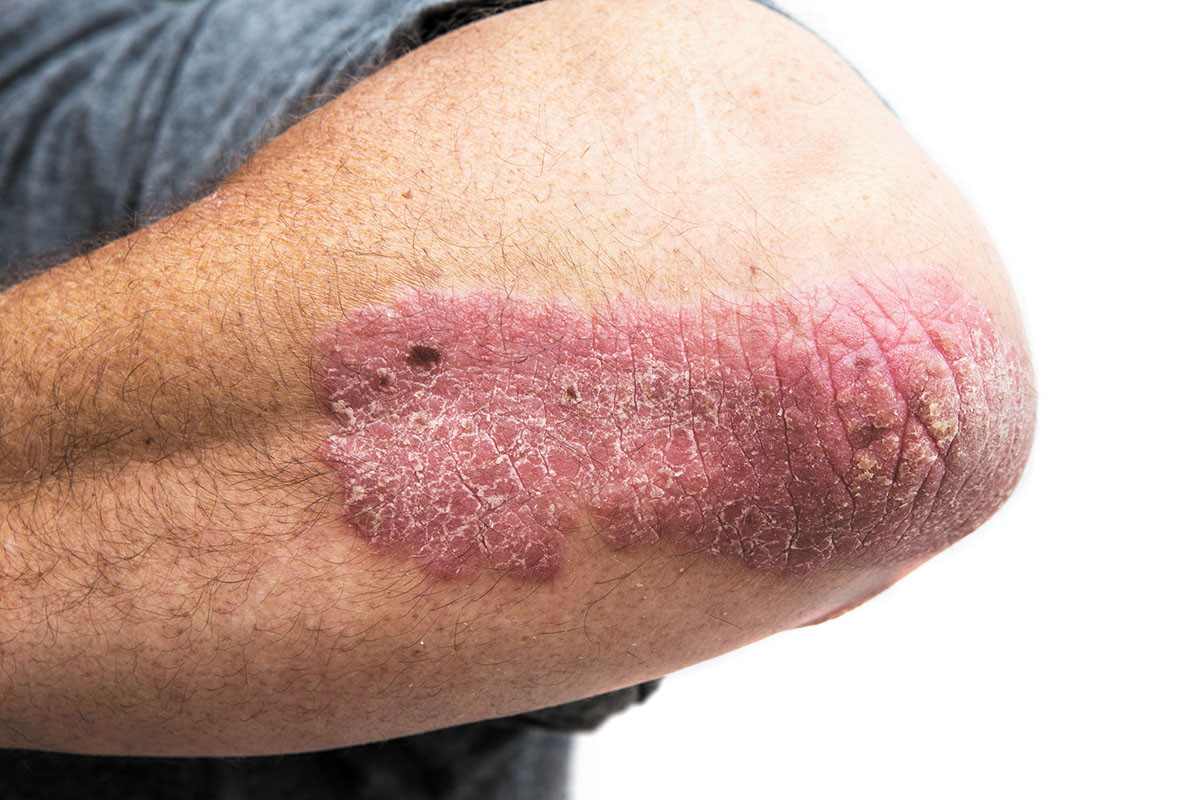
A deeper look at psoriasis
There are ways to shorten flare-ups and, in some people, prevent them from recurring.
Image: © JodiJacobson/Getty Images
Psoriasis is a big star on TV drug ads, but this autoimmune skin disease is something most people try to keep well hidden.
"Psoriasis is among the most common skin conditions, affecting about 2% of the U.S. population, and while the condition doesn't affect everyone the same way, the approach to treatment and prevention is often similar," says Dr. Gideon Smith, an assistant professor of dermatology at Harvard-affiliated Massachusetts General Hospital.

The age of statins
Healthy older adults ages 75 and older might not benefit from the drugs to protect against cardiovascular disease.
Image: © rogerashford/Getty Images
Cardiovascular disease is the leading cause of death for people ages 75 and over. The cholesterol-lowering statin drugs can help protect against heart attack or stroke, both for people who have already had one and those who are at high risk for one of these events.
But what if you are in this older age bracket and have no history of cardiovascular problems? Do you really need one of these cholesterol-lowering drugs to protect yourself from future heart attacks and strokes?

Weight may determine how much aspirin is needed to prevent heart attacks
In the journals
Image: © sd619/Getty Images
Low-dose aspirin therapy has been shown to help prevent heart attacks, but a study in the Aug. 4, 2018 issue of The Lancet suggests men who weigh more than 154 pounds may need higher doses. Researchers analyzed 10 trials that evaluated daily aspirin therapy for cardiovascular disease prevention in 120,000 men and women. The study participants had no history of heart or vascular disease. The researchers found that low-dose daily aspirin — 75 to 100 mg — was associated with reduced risk for heart attack and stroke among both men and women who weighed less than 154 pounds.
However, there was no significant effect for heavier patients. (About 80% of the men in the study were among this group.) The reason? The researchers speculated that people with more weight also have higher amounts of esterase, an enzyme that reduces how much aspirin is available in the body.

From street drug to depression therapy
Ketamine offers a new option for people with stubborn depression that doesn't respond to other medications.
Image: © AleksandarNakic/Getty Images
Many people know of ketamine as a hallucinogenic and addictive street drug, which, when abused, can put people in medical peril. But today, doctors are increasingly looking to ketamine as a potentially lifesaving treatment for people with severe, treatment-resistant depression, who may be at high risk for suicide.
"Ketamine has been shown to be effective in people who have not responded to antidepressant treatment," says Dr. Cristina Cusin, an assistant professor of psychiatry at Harvard Medical School. The fast-acting treatment has shown promise — sometimes improving depressive symptoms within hours of the first intravenous treatment.

Do urgent care clinics overprescribe antibiotics?
News briefs
Image: © AlexRaths/Getty Images
Urgent care clinics are convenient when you don't feel well and can't see your doctor right away. But a study published online July 16, 2018, by JAMA Internal Medicine found that people who go to such clinics may be more likely to be given prescriptions for unnecessary antibiotics. Researchers analyzed 156 million insurance claims from 2014 and found that 46% of people treated at urgent care centers for viral conditions — like a bad cold, the flu, or viral bronchitis — were prescribed antibiotics. The problem: antibiotics kill only bacteria, not viruses. The study underscores the need to ask health care workers if you have a viral or a bacterial condition before you take antibiotics.
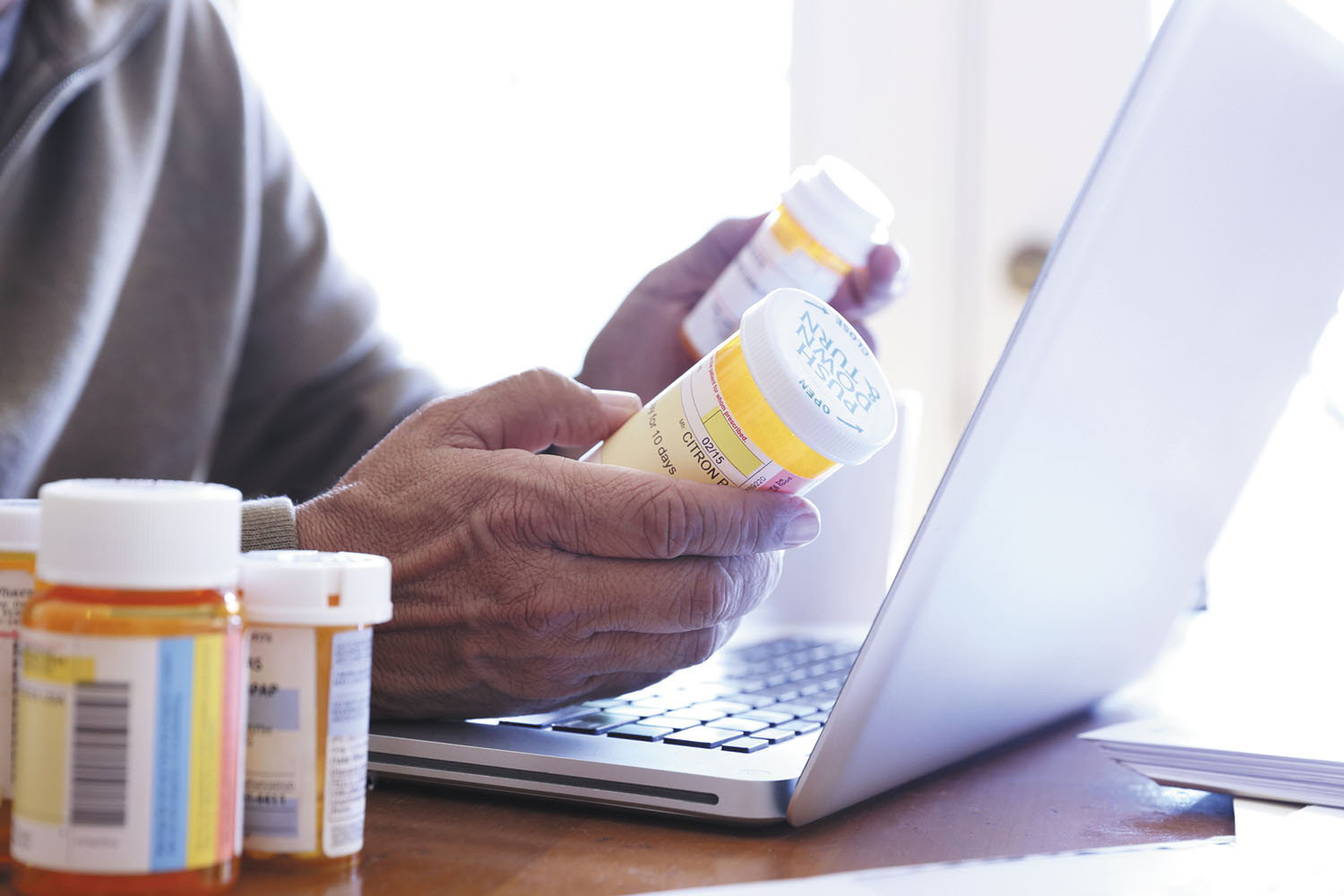
Scam targets people buying medicine online
News briefs
Image: © DNY59/Getty Images
If you've tried to buy medications by phone or on the Internet but received an FDA warning letter instead, beware. The FDA warns that criminals are forging these notes, possibly with the goal of later getting your money. The letters look official, like they're from the FDA or the Federal Trade Commission, and they claim that the FDA has identified drug violations based on a review of your parcel and social media accounts. Don't be fooled. The FDA doesn't send letters to consumers. So why are you getting one? The FDA says it may be because you're contacting an illegal online pharmacy. "Many of these illegal websites appear legitimate, and it can be hard to tell the difference," notes FDA Commissioner Scott Gottlieb. They may try to sell your personal information or charge you for products you never ordered. And scams aren't the only risks. Illegal pharmacies typically sell counterfeit — and unsafe — medicines. If you believe you've received a fake warning letter, email the FDA at FDAInternetPharmacyTaskForce-CDER@fda.hhs.gov. Send information about the letter or a scan or photo of the document.

Antidepressants tied to weight gain
News briefs
Image: © adamkaz/Getty Images
We're learning more about the link between weight gain and several major classes of antidepressants, such as selective serotonin reuptake inhibitors (SSRIs), like sertraline (Zoloft), and tricyclic antidepressants, such as amitriptyline (Elavil). Research has shown that putting on pounds is a possible short-term side effect of the medications. But a study published May 23, 2018, in The BMJ suggests that antidepressants are also associated with sustained weight gain. Researchers analyzed the health information of more than 300,000 people in the United Kingdom (average age 51) who'd had their weight and body mass index measured at doctor appointments between 2004 and 2014. About 18% had been prescribed antidepressants. During the study period, people who took antidepressants had a 21% higher risk for a 5% or greater weight gain, compared with people who didn't take antidepressants. The risk peaked in the second and third years. There was no evidence of weight gain after seven years. The study was observational and didn't prove that antidepressants cause weight gain. But researchers hope the findings will encourage people to talk to their doctors about weight gain as a possible side effect of antidepressants, and plan for potential and even delayed weight gain if they're using the medications.

Managing mitral valve disease: Progress and promise
Operations to fix faulty mitral valves are on the rise. But less invasive nonsurgical strategies are under development.
The mitral valve — so named because it resembles a miter, a bishop's formal headdress — sits between the two chambers on the left side of your heart. Inherited conditions, diseases, or a combination of the two can cause changes in the size, shape, flexibility, or mechanics of the mitral valve, leaving it unable to close properly. When that happens, blood may flow backward between heartbeats, a problem called regurgitation.
While mild cases are generally harmless and cause no symptoms, more severe cases can increase the heart's workload, leading to breathlessness, fatigue, and other symptoms. Mitral valve regurgitation also produces a distinct sound (heart murmur) that a doctor may hear through a stethoscope.

Pay less for heart drugs without using insurance?
Research we're watching
Image: © Gligatron/Getty Images
Do you take generic drugs to lower your blood pressure or cholesterol? You may save money by paying out of pocket at Walmart instead of a paying a Medicare prescription copay, according to an analysis in the July 24 Annals of Internal Medicine.
Walmart (and a number of other large chain stores) offer generic drug discount plans; they sell 30-day supplies of popular generic drugs for $4.
Even a little exercise linked with lower stroke risk in people with afib
Testosterone therapy without evidence of deficiency may boost heart risk
Weight-loss drug may lower risk of heart attacks and infections
What to eat on the DASH diet
Migraine: How it's diagnosed and what that means
Tricep workouts you can do at home
Mindfulness practices to reduce stress and improve focus
Antihistamines may not offer meaningful relief from eczema symptoms
Overweight and taking blood pressure medications: Study finds it's a trend that's working
FDA approves first mRNA-based flu vaccine
Free Healthbeat Signup
Get the latest in health news delivered to your inbox!
Sign Up
