

Even a little exercise linked with lower stroke risk in people with afib

Testosterone therapy without evidence of deficiency may boost heart risk

Weight-loss drug may lower risk of heart attacks and infections

What to eat on the DASH diet

Migraine: How it's diagnosed and what that means

Tricep workouts you can do at home

Mindfulness practices to reduce stress and improve focus

Antihistamines may not offer meaningful relief from eczema symptoms

Overweight and taking blood pressure medications: Study finds it's a trend that's working

FDA approves first mRNA-based flu vaccine
Medical devices Archive
Articles

How medications can affect your balance
Medications can be lifesaving by performing critical tasks such as keeping blood sugar at safe levels, hearts thumping rhythmically, and moods afloat. Yet side effects and interactions between drugs (both prescription and nonprescription drugs) may increase your fall risk in numerous ways. Prime examples include blurred vision, dizziness or lightheadedness stemming from low blood pressure, drowsiness, delirium, and impaired alertness or judgment. Some medications may affect the inner ear, spurring temporary or permanent balance disorders.
Often, problems stem from the sheer number of medicines you take, rather than a single drug. According to a national health survey, a third of 45- to 64-year-olds and two-thirds of people 65 and older take three or more prescription drugs over the course of a month. And 16% of 45- to 64-year-olds, as well as 39% of people 65 and over, take five or more drugs. Some gerontologists say they rarely see patients who take fewer than six or seven. Taking many medications at the same time can boost the severity and frequency of side effects among people of any age. Older adults are especially vulnerable, because people's bodies absorb and respond to drugs differently with age.

Medications we're watching
News briefs
Three newly approved medications are garnering national attention. The first is an oral form of a powerful opioid painkiller that's been available by injection since 1984. Dsuvia is the sublingual (under the tongue) version of sufentanil, and it was approved by the FDA in November 2018. Dsuvia is 1,000 times more potent than morphine. The FDA says it may be helpful for use on the battlefield or in hospitals. Critics worry the drug will wind up on the streets, furthering the country's opioid crisis. Another medication of note is the first prescription drug made from marijuana. The FDA approved cannabidiol (Epidiolex) in June 2018 for the treatment of seizures associated with rare forms of epilepsy. The medication is made from a component of marijuana that does not cause intoxication or euphoria. And finally, baloxavir marboxil (Xofluza), the first new antiviral in 20 years to help fight the flu, received FDA clearance in October 2018. The drug is a one-dose pill that may help shorten the duration of the flu if it's taken within 48 hours of the start of symptoms. One caution: the new antiviral has not yet been tested in older adults, so talk to your doctor if the drug is prescribed and you have concerns.
Image: SheilaFitzgerald/Thinkstock
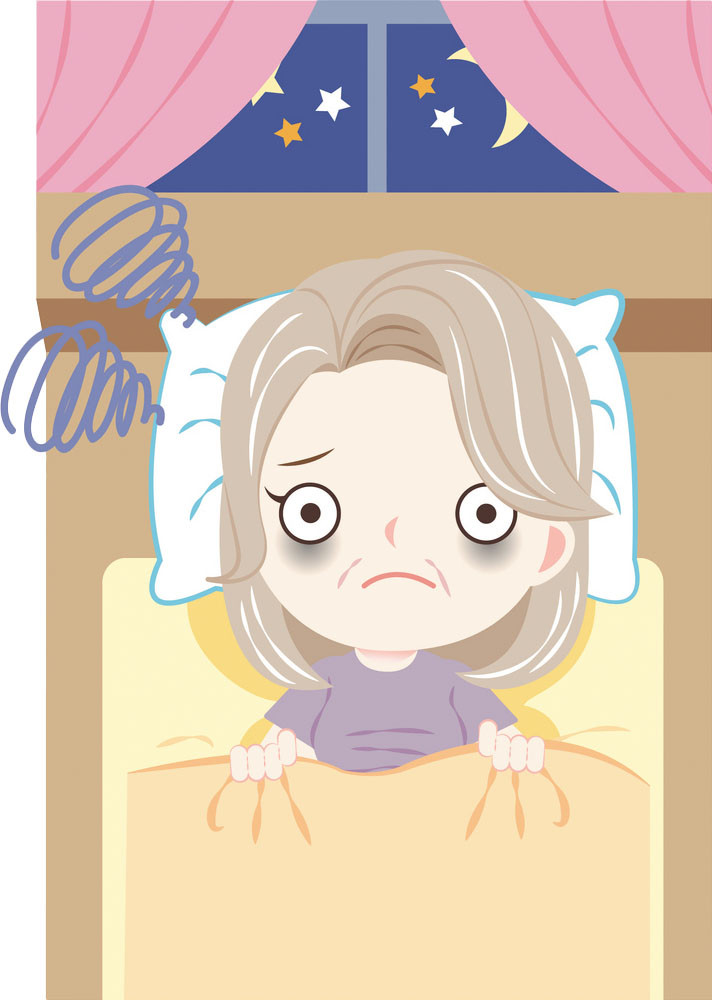
Study: Light pollution may trigger insomnia
Research we're watching
High exposure to bright, artificial outdoor lights during the night may result in sleepless nights for older adults. The more of this so-called light pollution that people were exposed to at night, the more they seemed to turn to medication to help them sleep, according to a study published in the Nov. 15, 2018, Journal of Clinical Sleep Medicine. People in brightly lit areas, as judged by satellite data, also seemed to take those drugs for longer and took higher doses than people who weren't exposed to nighttime light.
To come to their conclusions, the researchers looked at data on more than 50,000 adults ages 60 or older from the National Health Insurance Service–National Sample Cohort, a database of information collected on people who participated in health screenings between 2002 and 2013 in South Korea. Researchers compared the people's nighttime light exposure and their use of two sleep drugs, zolpidem (Ambien) and triazolam (Halcion).

FDA: Certain antibiotics may bring serious risks
Research we're watching
In December 2018, the FDA issued a warning about certain antibiotics known as fluoroquinolones, a drug class that includes ciprofloxacin (Cipro) and levofloxacin (Levaquin). The drugs are associated with rare ruptures or tears in the body's main artery, the aorta, which can cause serious, sometimes fatal bleeding. Cases were reported in people taking these antibiotics orally or by injection.
Because of this risk, the FDA is advising doctors to try to avoid prescribing these antibiotics to people who are at higher risk for problems with the aorta, unless there are no other antibiotics available to treat the infection. This includes people who have high blood pressure, certain genetic disorders (such as Marfan syndrome and Ehlers-Danlos syndrome), or a history of arterial blockages or aneurysms.

Are there any new flu treatments?
Ask the doctors
Q. I heard that there is a new medication that you can take for the flu. Is this a vaccine?
A. In October 2018, for the first time in 20 years, the FDA approved a new medication to treat the flu. Baloxavir marboxil, sold as Xofluza, is not a vaccine, but rather an antiviral drug that can help your body fight off influenza more quickly. Antivirals work by stopping viruses from reproducing, lessening both the severity of your symptoms and their duration. Xofluza joins two antiviral drugs commonly prescribed for flu, oseltamivir (Tamiflu) and zanamivir inhaler (Relenza). (A third flu drug — peramivir, trade name Rapivab — is administered as an intravenous infusion.)

Strategies to manage surgical pain
Because addiction to pain pills often starts with an operation, surgeons are shifting to non-opioid approaches for pain control.
Image: © Morsa Images/Getty Images
Many people who are struggling with opioid addiction didn't start taking the drugs at a party or at a friend's house. They were introduced to these painkilling medications by their doctor after a surgical procedure.
In the 1990s, the number of opioid prescriptions written for people undergoing surgery or experiencing pain conditions grew — and so did related problems. As a result, "we are in a current opioid epidemic, with 91 substance-related deaths each day, according to the CDC," says Dr. Elizabeth Matzkin, an orthopedic surgeon and assistant professor at Harvard Medical School.
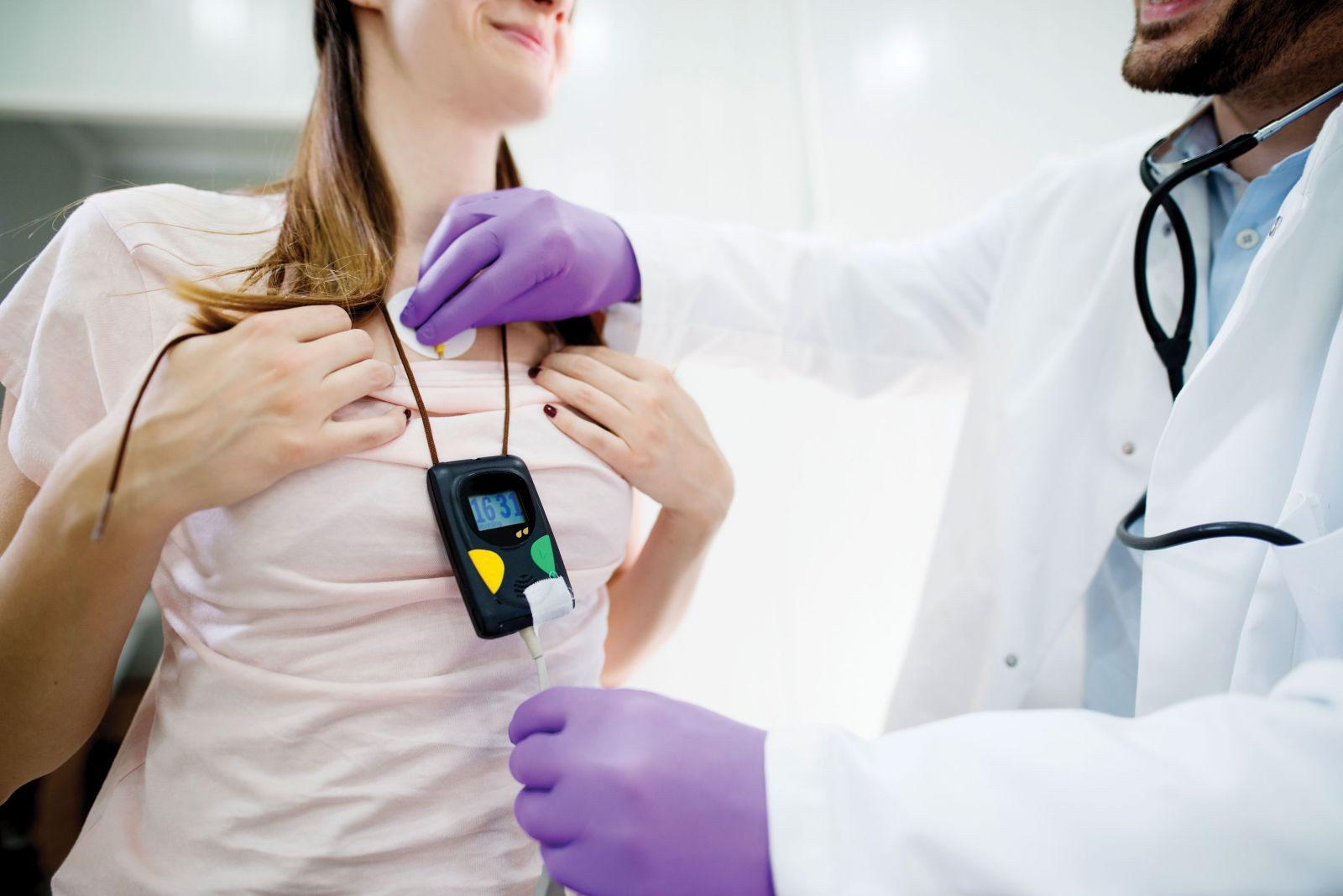
Heart palpitations: Mostly harmless
Occasionally these heart rhythm disruptions signal a more serious condition.
Image: © dusanpetkovic/Getty Images
Lately you've felt like a flipping fish is stuck inside your chest. You feel fine otherwise, but there it is again — flip, flop. It's gone as fast as it appears. But you're starting to worry: is it a sign of a serious heart problem?
Chances are what you're feeling is a condition called heart palpitations, which are usually harmless blips in the heart rhythm, explains Dr. Peter Zimetbaum, a professor of cardiovascular medicine at Harvard Medical School. Only occasionally are these rhythm disturbances the sign of a more serious heart problem that should be checked out.
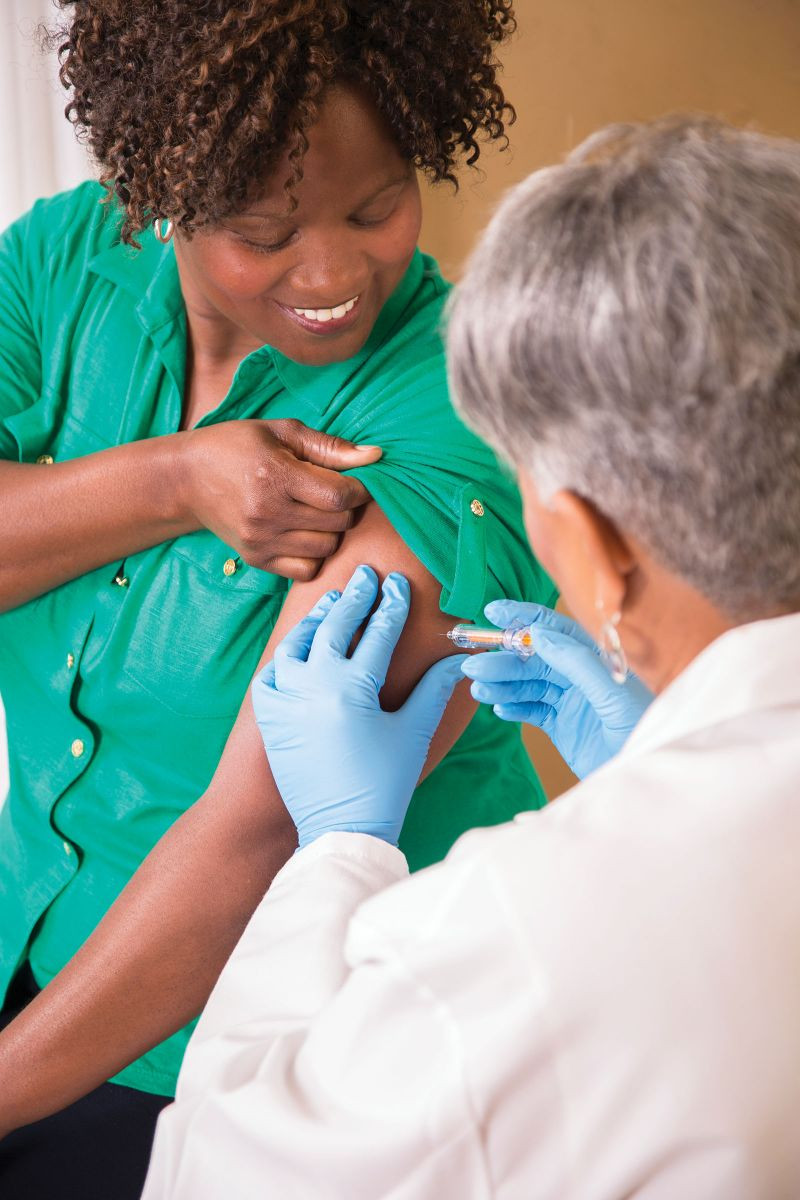
Tuberculosis vaccine shows promise in controlling blood sugar
Research we're watching
A long-used vaccine is showing promise in helping to restore near-normal blood sugar levels in people with advanced type 1 diabetes. Researchers from Harvard Medical School injected adults who had type 1 diabetes with two doses of the bacillus Calmette-Guérin (BCG) vaccine, which is traditionally used to prevent tuberculosis.
Participants in the study, all of whom had type 1 diabetes for many years, all showed significant improvements in their average blood sugar levels after the vaccination. The improvements lasted for the next five years. Researchers said that it appears the vaccine affected a metabolic mechanism that increases consumption of glucose by cells.

What is immunotherapy?
Ask the doctor
Image: © designer491/Getty Images
Q. A friend has melanoma, and his doctor wants to use a new kind of treatment that boosts the immune system. Can you tell me more?
A. The immune system exists to attack foreign things that enter the body, such as germs. Certain cells of the immune system recognize and attack foreign things. Cancerous cells make chemicals that are not made by normal cells, chemicals the immune system should recognize as foreign. Unfortunately, eight million people around the globe die of cancer each year after their immune systems fail to destroy the cancer. Why do their immune systems fail?

Medicine cabinet makeover
Remove expired medications to avoid hazards such as accidental poisoning or ineffective treatment.
Image: © SelectStock/Getty Images
Like any cupboard in your house, the medicine cabinet can easily become overstuffed with pills, potions, and creams that have expired or are no longer needed. But holding on to them can be dangerous. That's why experts recommend weeding through your medicine cabinet regularly. "Check it every six months or when you change your clocks," recommends Joanne Doyle Petrongolo, a pharmacist with Harvard-affiliated Massachusetts General Hospital. "Make it a regular habit to protect your family."
Medicine cabinet risks
For all their value, the substances in your medicine cabinet pose some risks beyond the side effects of the drugs:
Even a little exercise linked with lower stroke risk in people with afib
Testosterone therapy without evidence of deficiency may boost heart risk
Weight-loss drug may lower risk of heart attacks and infections
What to eat on the DASH diet
Migraine: How it's diagnosed and what that means
Tricep workouts you can do at home
Mindfulness practices to reduce stress and improve focus
Antihistamines may not offer meaningful relief from eczema symptoms
Overweight and taking blood pressure medications: Study finds it's a trend that's working
FDA approves first mRNA-based flu vaccine
Free Healthbeat Signup
Get the latest in health news delivered to your inbox!
Sign Up
