

Even a little exercise linked with lower stroke risk in people with afib

Testosterone therapy without evidence of deficiency may boost heart risk

Weight-loss drug may lower risk of heart attacks and infections

What to eat on the DASH diet

Migraine: How it's diagnosed and what that means

Tricep workouts you can do at home

Mindfulness practices to reduce stress and improve focus

Antihistamines may not offer meaningful relief from eczema symptoms

Overweight and taking blood pressure medications: Study finds it's a trend that's working

FDA approves first mRNA-based flu vaccine
Medical devices Archive
Articles

Medication side effects that can mimic "getting older"
Some prescription and over-the-counter drugs produce side effects that resemble problems tied to aging, such as memory lapses, balance issues, or fatigue. Older adults are more sensitive to medication side effects because their body composition and metabolism change.

Ways to maximize your energy
People’s energy levels typically decrease later in life as a result of aging, illness, or other factors. Fortunately, a healthier lifestyle can boost energy. That involves eating a diet low in added sugars and processed foods, getting seven to nine hours of sleep each night, managing stress, getting lots of aerobic exercise, and strengthening the muscles. Using physical energy frugally is another useful strategy. For example, it helps to perform activities at a slow, steady pace instead of a fast pace; to break activities into small tasks instead of one large job; and to rest between tasks.
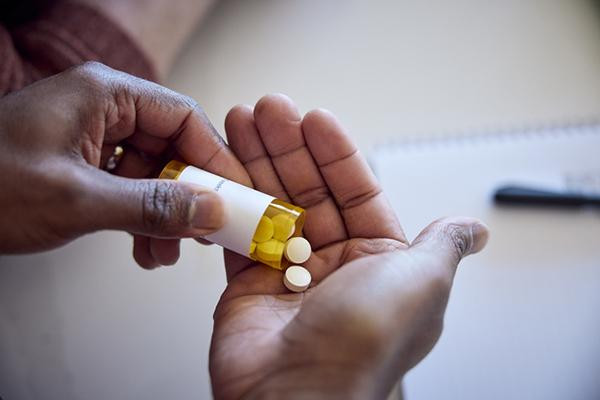
Oral side effects of common medications
Many common medications can affect oral health, causing issues like dry mouth, taste changes, gum swelling, mouth sores, or thrush. Patients should check side effects on medication labels, report persistent symptoms, review medications annually, and keep up with regular dental visits.

Is your medication killing your sex drive?
Low libido can include both less desire for and less satisfaction with sex. A variety of medications can dampen sex drive by altering hormone levels or nerve signals, dulling sensation in the genitals, or triggering fatigue or mood changes. They include some antidepressants, cardiovascular drugs, antihistamines, antiseizure drugs, opioids, chemotherapy, hormone blockers, oral contraceptives, and fertility drugs. People whose medications affect their libido can ask their doctor to adjust the dose or timing or substitute another drug without sexual side effects.

Is MRI contrast dye safe?
MRI contrast dye is widely used and considered safe. It helps highlight blood vessels, tumors, and other structures to improve diagnostic accuracy. Rarely, contrast dye can trigger a serious condition called nephrogenic systemic fibrosis in people with advanced kidney disease.
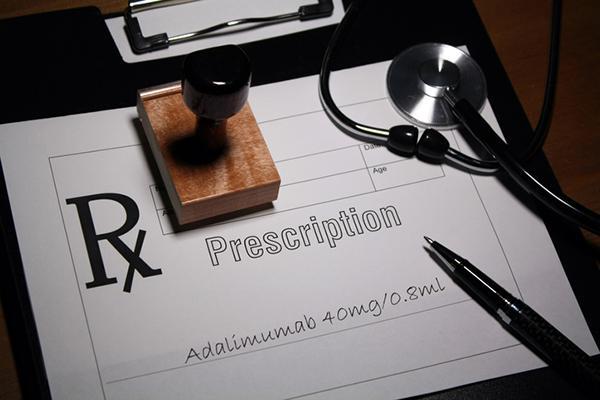
What are the long-term risks of taking the biologic treatment Humira?
Humira can control autoimmune disease, such as psoriatic arthritis. But it also alters immune defenses. Learn about infection, cancer, and other potential long‑term risks.
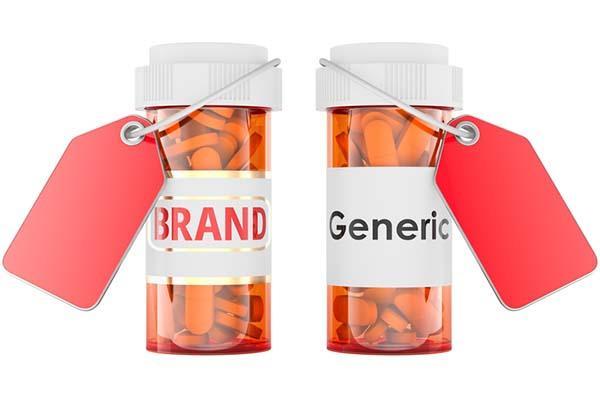
Could switching from Zoloft to generic sertraline explain weight gain?
Switching from a brand-name antidepressant to a generic can raise questions about side effect changes such as weight gain.
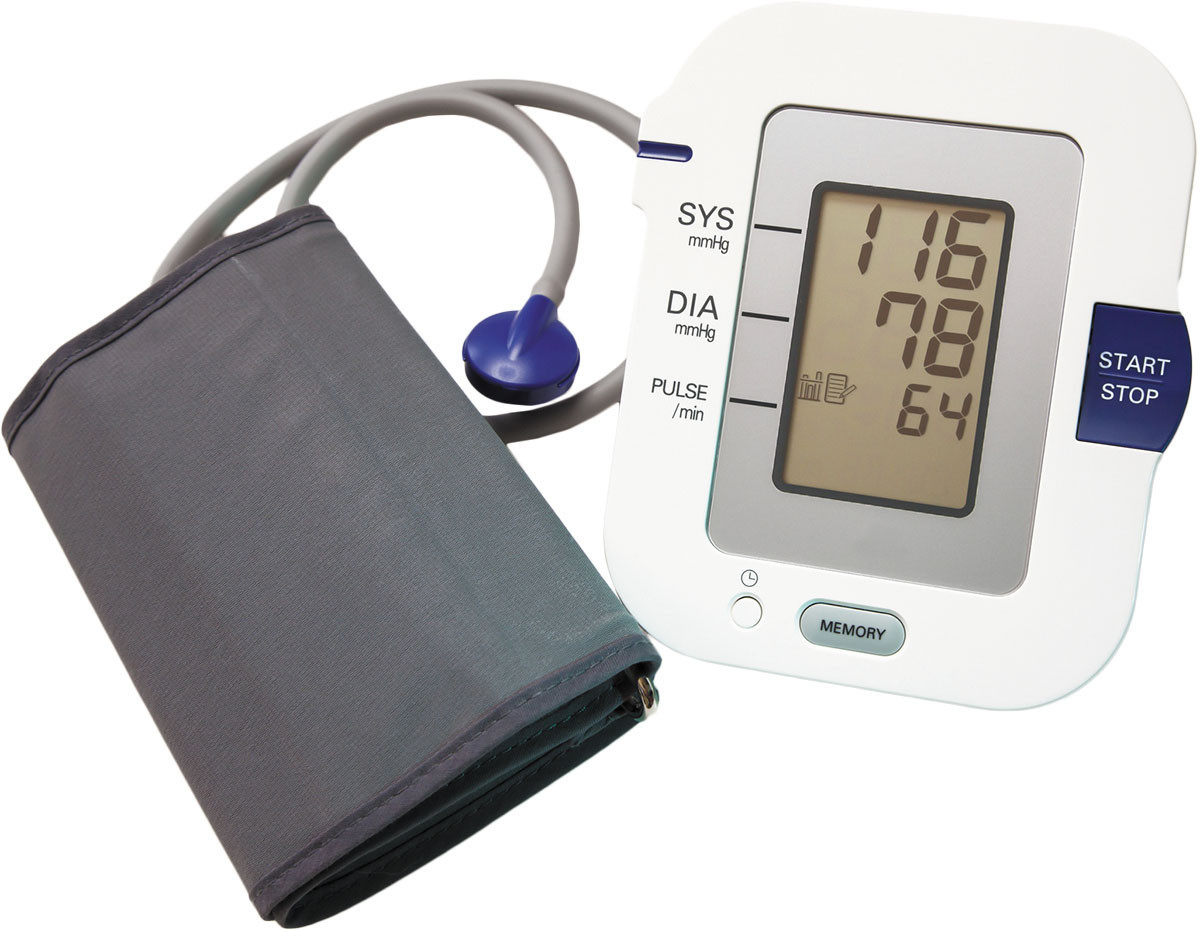
Is your home blood pressure monitor accurate?
Many home blood pressure monitors are not validated for accuracy, which means there's no way to know if information they provide is correct. Relying on inaccurate measurements can affect decisions people make about medical treatment. Fortunately, reliable organizations have developed lists of blood pressure monitors that have demonstrated clinical accuracy. If a blood pressure monitor isn't listed, it's probably not validated.
GLP-1 drugs may lower odds of developing substance use disorders
A 2026 study suggests that people who take GLP-1 drugs—prescribed for diabetes and weight loss—are less likely to develop a substance use disorder. Among people who already have addiction, use of a GLP-1 was linked with fewer complications such as overdose and death.
Even a little exercise linked with lower stroke risk in people with afib
Testosterone therapy without evidence of deficiency may boost heart risk
Weight-loss drug may lower risk of heart attacks and infections
What to eat on the DASH diet
Migraine: How it's diagnosed and what that means
Tricep workouts you can do at home
Mindfulness practices to reduce stress and improve focus
Antihistamines may not offer meaningful relief from eczema symptoms
Overweight and taking blood pressure medications: Study finds it's a trend that's working
FDA approves first mRNA-based flu vaccine
Free Healthbeat Signup
Get the latest in health news delivered to your inbox!
Sign Up
