

People who walk more or walk faster live longer, study finds

Rosacea treatments: What works?

For sleep apnea, a dental device may be as effective as CPAP

Carb cycling: What is it, and does it work?

Salmonella, E. coli, Cyclospora, and other germs that cause food poisoning: What you need to know

Understanding orthorexia: Have your healthy eating goals gone too far?

Melatonin or magnesium: Can either supplement help you sleep?

Harvard study: Healthier fats linked to longer life after prostate cancer diagnosis

Naturally gluten-free foods

Shingrix shingles vaccine linked with lower heart disease risks
Medical devices Archive
Articles
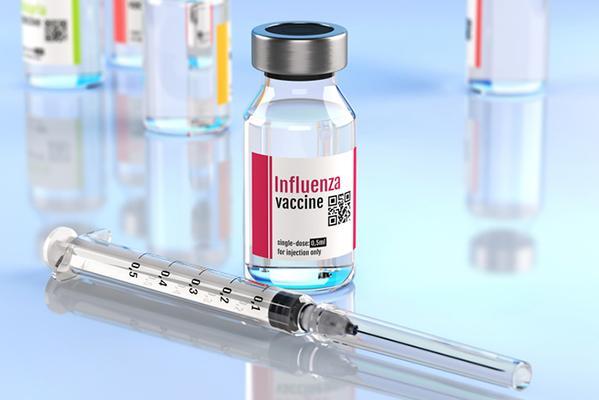
Is it safe to get the flu shot while taking certain asthma medications?
Learn how certain asthma medication affect your choices for the flu shot.
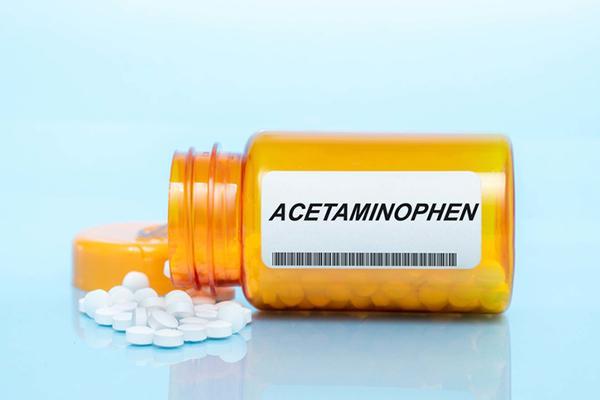
What are the effects of acetaminophen on the liver?
Widely trusted for pain and fever, acetaminophen can still harm the liver in high doses. Learn who’s most at risk and how to use it safely.

Is a high-dose vitamin D regimen safe?
Very low vitamin D levels may prompt your doctor to prescribe a short regimen of high-dose vitamin D pills before switching to a lower daily dose. See how this approach boosts stores safely.

Can you safely taper off a proton pump inhibitor if reflux symptoms improve?
Proton pump inhibitors can calm severe reflux and heal the esophagus, but long-term use raises questions about when and how to cut back safely.

Can I replace potassium pills with potassium-rich food if I am taking a diuretic?
Diuretics can drain your body of potassium, but pills aren't the only source. Learn whether food swaps are safe and why lab monitoring still matters.
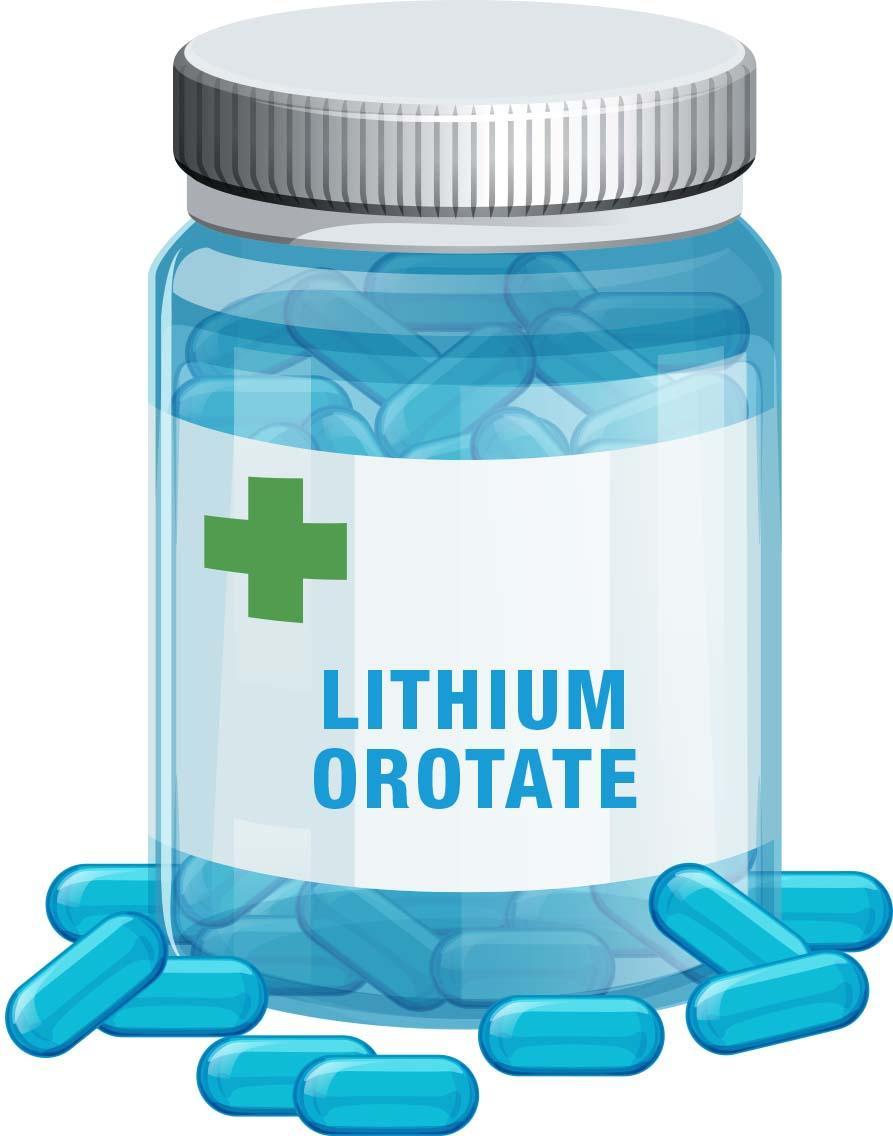
Will lithium supplements be used to fight Alzheimer's one day?
A 2025 study suggests that very low levels of lithium in the brain might be linked to Alzheimer's disease. In mice, certain lithium supplements seemed to protect memory and the brain. But scientists don't yet know if lithium pills are safe or helpful for people.

Urgent care vs. emergency room: What's the right choice?
People sometimes have difficulty knowing if they should seek care at an emergency room or an urgent care center. Urgent care centers can treat health problems that don't endanger lives, while emergency rooms can treat serious or life-threatening problems.

Can you retrain your brain to stop excessive drinking?
For people who are concerned they're drinking too much but don't want to give up alcohol entirely, the Sinclair Method may help. It involves taking naltrexone (a drug that dampens alcohol's euphoric effects) an hour or two before drinking.

For now, electric cars appear safe for people with implanted heart devices
A 2025 review of past research found that electromagnetic field exposure from electric cars poses no immediate health risks for people with implanted heart devices, such as pacemakers or implantable cardioverter-defibrillators.
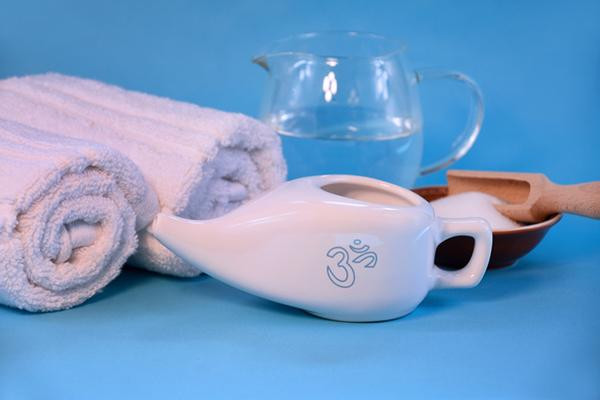
Can nasal irrigation help with winter colds and congestion?
Daily nasal irrigation (nasal rinses) may reduce symptom severity and the duration of a cold. It can also relieve the congestion caused by sinus infections and allergies. By means of a squeeze bottle, neti pot, or battery-powered system, saline is inserted into one nostril and flows out the other.
People who walk more or walk faster live longer, study finds
Rosacea treatments: What works?
For sleep apnea, a dental device may be as effective as CPAP
Carb cycling: What is it, and does it work?
Salmonella, E. coli, Cyclospora, and other germs that cause food poisoning: What you need to know
Understanding orthorexia: Have your healthy eating goals gone too far?
Melatonin or magnesium: Can either supplement help you sleep?
Harvard study: Healthier fats linked to longer life after prostate cancer diagnosis
Naturally gluten-free foods
Shingrix shingles vaccine linked with lower heart disease risks
Free Healthbeat Signup
Get the latest in health news delivered to your inbox!
Sign Up
