

Even a little exercise linked with lower stroke risk in people with afib

Testosterone therapy without evidence of deficiency may boost heart risk

Weight-loss drug may lower risk of heart attacks and infections

What to eat on the DASH diet

Migraine: How it's diagnosed and what that means

Tricep workouts you can do at home

Mindfulness practices to reduce stress and improve focus

Antihistamines may not offer meaningful relief from eczema symptoms

Overweight and taking blood pressure medications: Study finds it's a trend that's working

FDA approves first mRNA-based flu vaccine
Medical devices Archive
Articles

How can technology help people manage their health between — and during — doctor visits?
Data from apps or wearable devices can help people spot patterns, track changes, and notice potential problems earlier—information that’s valuable both between and during clinician appointments.

Weaning off a GLP-1? Tips for the transition
Research suggests that people who stop taking GLP-1 weight-loss drugs typically regain all the weight they lost in under two years. To sustain their progress, these people should eat more protein, fiber, and healthy fats; eat on a consistent schedule; exercise; and prioritize sleep.

Can you safely taper off a proton pump inhibitor if reflux symptoms improve?
Proton pump inhibitors can calm severe reflux and heal the esophagus, but long-term use raises questions about when and how to cut back safely.
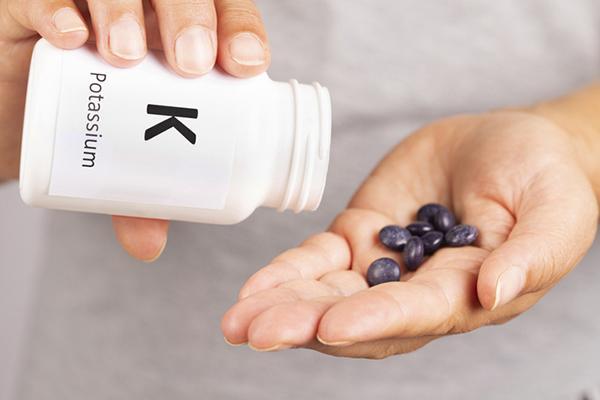
Do I need to take a potassium supplement if I am on a diuretic?
Certain diuretics flush out both water and potassium, but not everyone needs extra. Your doctor will consider blood test results and which other medications you're taking to determine the safest approach.
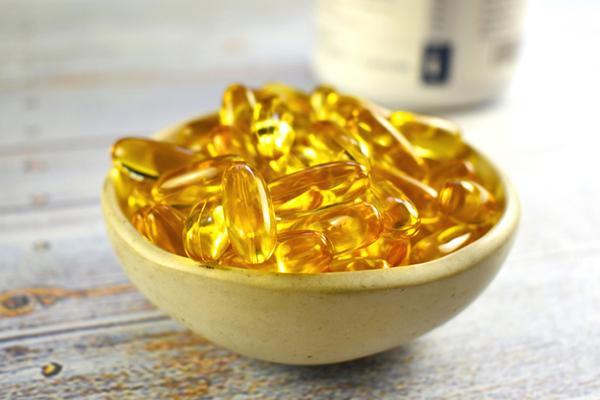
Is a high-dose vitamin D regimen safe?
Very low vitamin D levels may prompt your doctor to prescribe a short regimen of high-dose vitamin D pills before switching to a lower daily dose. See how this approach boosts stores safely.

Can I replace potassium pills with potassium-rich food if I am taking a diuretic?
Diuretics can drain your body of potassium, but pills aren't the only source. Learn whether food swaps are safe and why lab monitoring still matters.
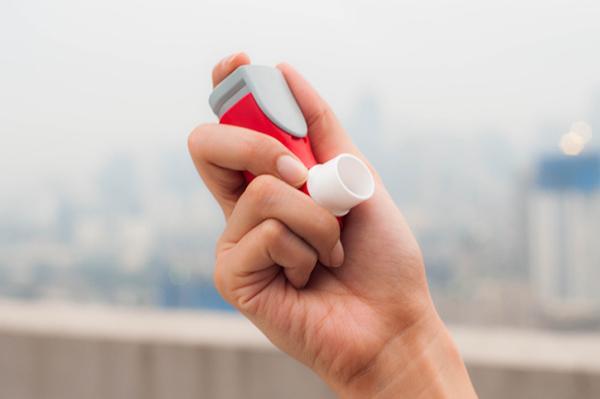
Can steroid asthma inhalers increase blood sugar?
Inhaled corticosteroids mostly act in the lungs, but some enter the bloodstream. Learn when they might nudge glucose higher and how doctors adjust care.
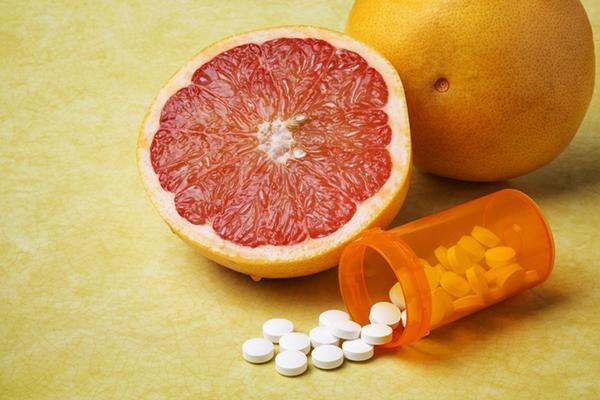
Do I need to avoid grapefruit if I am on a statin?
A favorite citrus fruit can unexpectedly boost statin levels in your bloodstream. Learn why this happens and what it may mean for your prescription.
What are the effects of acetaminophen on the liver?
Widely trusted for pain and fever, acetaminophen can still harm the liver in high doses. Learn who’s most at risk and how to use it safely.
Is it safe to get the flu shot while taking certain asthma medications?
Learn how certain asthma medication affect your choices for the flu shot.
Even a little exercise linked with lower stroke risk in people with afib
Testosterone therapy without evidence of deficiency may boost heart risk
Weight-loss drug may lower risk of heart attacks and infections
What to eat on the DASH diet
Migraine: How it's diagnosed and what that means
Tricep workouts you can do at home
Mindfulness practices to reduce stress and improve focus
Antihistamines may not offer meaningful relief from eczema symptoms
Overweight and taking blood pressure medications: Study finds it's a trend that's working
FDA approves first mRNA-based flu vaccine
Free Healthbeat Signup
Get the latest in health news delivered to your inbox!
Sign Up
