

Even a little exercise linked with lower stroke risk in people with afib

Testosterone therapy without evidence of deficiency may boost heart risk

Weight-loss drug may lower risk of heart attacks and infections

What to eat on the DASH diet

Migraine: How it's diagnosed and what that means

Tricep workouts you can do at home

Mindfulness practices to reduce stress and improve focus

Antihistamines may not offer meaningful relief from eczema symptoms

Overweight and taking blood pressure medications: Study finds it's a trend that's working

FDA approves first mRNA-based flu vaccine
Medical devices Archive
Articles

Aspirin before colon cancer screening doesn't boost test accuracy
Aspirin falls short in improving colon cancer test results.

5 medications that can cause problems in older age
Prescription and over-the-counter medications may affect you differently now.
Despite the beneficial effects of medications, some drugs need to be used with increasing caution as you age. Drugs that caused few if any side effects in your youth can now cause discomfort or even put you at risk for serious problems such as falls or bleeding.
What's different in older age?
Even though you may have taken a medication for decades, your body may react differently to it later in life. One reason for this is that your metabolism has slowed down. Some medicines need to be processed by your liver to benefit your health; slower digestion and liver function mean it may take longer for a drug to get into your bloodstream. Later, remnants of the medicine need to be eliminated from your body by the liver and kidneys. Slowdowns at this stage mean it may take longer for a drug to leave your body, so its effects last longer.
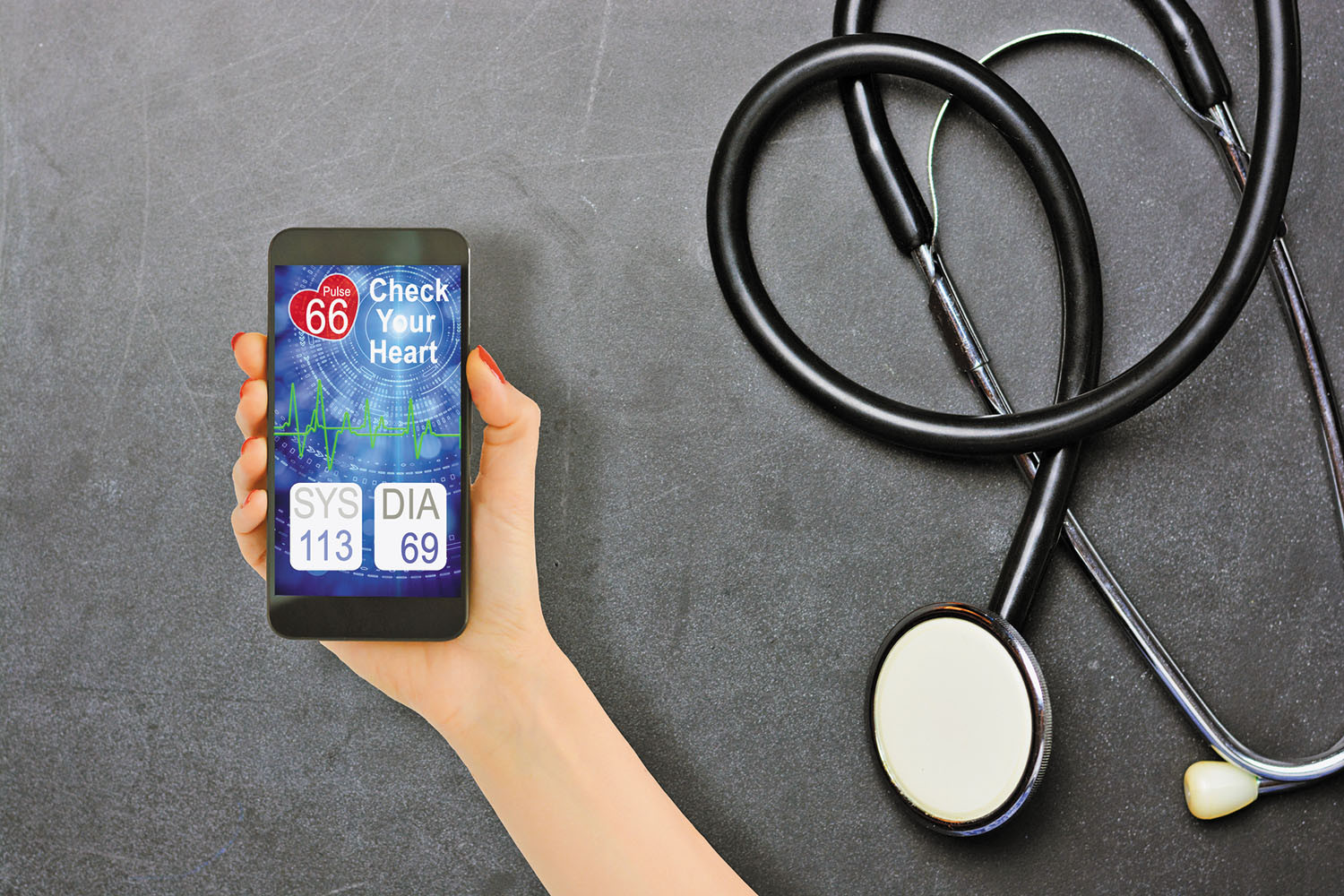
Smartphone apps for managing heart disease
Apps that pair with devices that record data may help your doctor fine-tune your treatment.
Health-related smartphone apps are a dime a dozen, but some are more sophisticated than others. Of special interest for people with heart disease are apps that pair with devices that measure your blood pressure, your heart's electrical activity, or your weight. Data from these apps may help doctors make faster and better informed treatment decisions for their patients, says Dr. Eric Isselbacher, who heads the Healthcare Transformation Lab at Harvard-affiliated Massachusetts -General Hospital.
App acceptability
Contrary to popular belief, the 65-plus crowd is comfortable using apps, says Dr. Isselbacher, who co-authored a recent study looking at the willingness of heart patients to use apps and related technologies. Compared with millennials, older people have been slower to adopt and adjust to smartphone apps. But now that they're using them for ride-hailing services and the like, they recognize that apps are actually pretty simple to use.
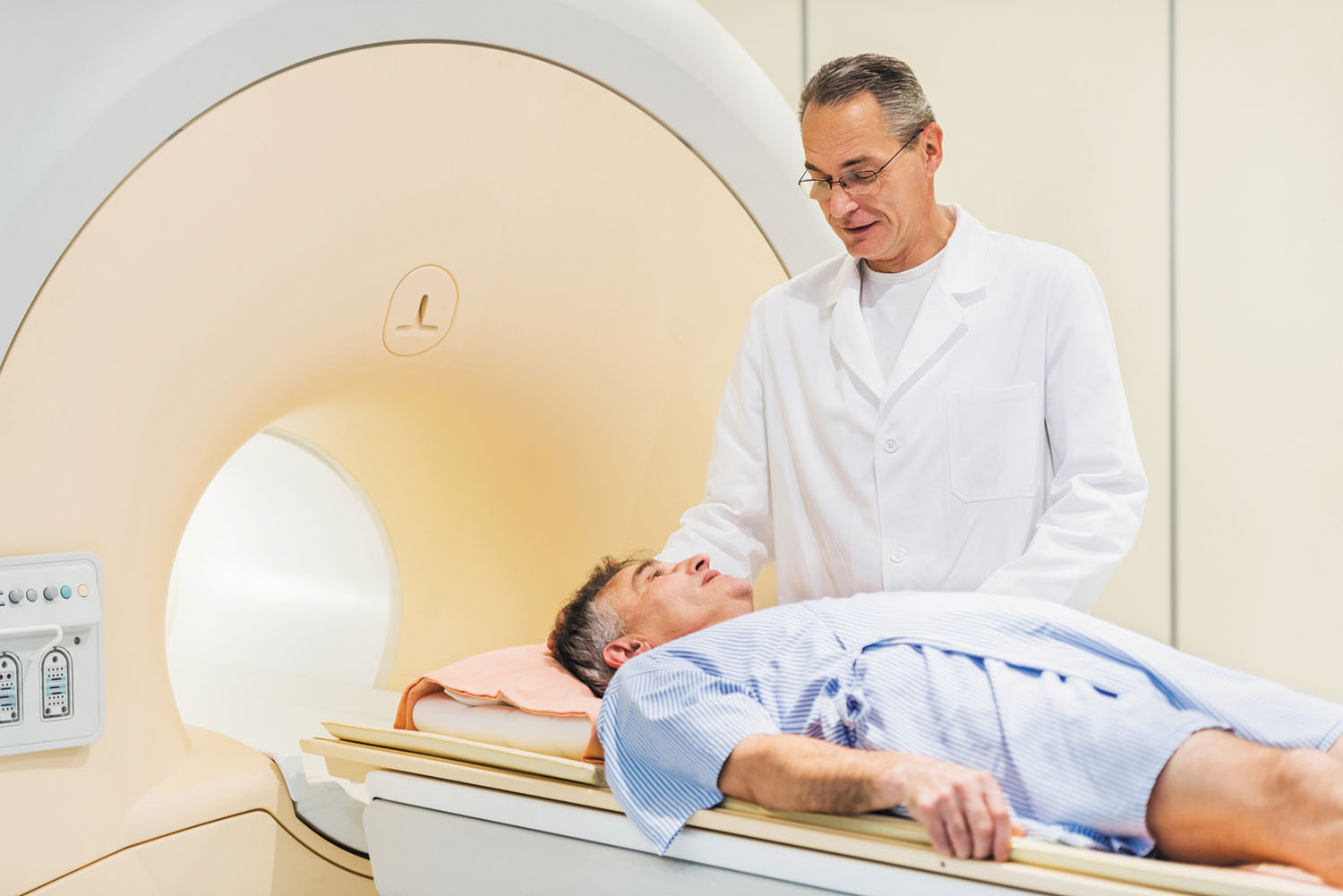
Do you need a calcium scan?
This noninvasive test can predict plaque in the heart's arteries. But it is useful only in certain situations.
Imagine a 57-year-old man (let's call him Bill) who's in pretty good health — a nonsmoker who eats right and exercises regularly. He takes two drugs to treat high blood pressure. Even though his LDL (bad) cholesterol isn't all that high, his primary care doctor suggests that Bill consider taking a statin to lower his risk of a heart attack.
Bill is a little hesitant to add another drug to his daily regimen, so his doctor tells him about a test that may help with the decision: a coronary artery calcium scan. This noninvasive test, which can reveal dangerous plaque in the heart's arteries, has been available for more than a decade. But calcium scans (as they're often called) are now recognized in official guidelines and are being used far more often than in the past, says Dr. Ron Blankstein, a cardiovascular imaging specialist and preventive cardiologist at Harvard-affiliated Brigham and Women's Hospital.

What to do when your medication causes nausea
Taking your pills with a light snack or at bedtime may help reduce the nausea.
You take medication hoping it will make you feel better. But sometimes it makes you feel worse. "Nausea is one of the most common side effects of medications we hear about," says Joanne Doyle Petrongolo, a pharmacist at Harvard-affiliated Massachusetts General Hospital.
About nausea
Nausea is a queasy feeling in your stomach — you may feel seasick, or you may feel you're about to vomit. Medications that commonly cause nausea as a side effect include antibiotics, such as erythromycin (Erythrocin); aspirin; nonsteroidal anti-inflammatory drugs (NSAIDs), such as ibuprofen (Advil, Motrin) or naproxen (Aleve); and some blood pressure drugs, such as the calcium-channel blocker nifedipine (Nifedical, Procardia).

What do the measles outbreaks mean for me?
Ask the doctor
Q. I hear that there are outbreaks of measles in the United States. I think I had measles when I was young, but I'm not sure. Do I need to worry?
A. The measles virus has been infecting humans for at least 1,000 years. When I was very young, in the 1940s, I got the measles. So did nearly every kid I knew; it is very contagious. I had a high fever, sneezing, coughing, very red eyes, and then a rash on my face and all over my body. Fortunately, I didn't develop the severe complications of measles: pneumonia (which affects one in 20 people with measles) or encephalitis (which affects one in 1,000 and can be fatal). Still, I was miserable for more than a week.

Pill-free treatment for urinary incontinence
News briefs
Here's some relief for people with urinary incontinence who don't want to take pills to treat the problem: behavioral therapy (bladder training) works better for urinary incontinence than medication, according to a study published online March 18, 2019, by Annals of Internal Medicine. Researchers reviewed 84 randomized trials of women (average age 55). The studies evaluated 14 categories of incontinence treatments, including pill-free therapy and medications such as anticholinergic drugs — for example, oxybutynin (Ditropan). Most of the strategies (except taking hormones or getting injections of a bulking agent near the urethra) were more effective than doing nothing to treat incontinence. But for both stress incontinence (the kind that makes you leak when you laugh) and urge incontinence (the kind that makes you rush to the bathroom), behavioral therapy was the most effective treatment, beating medications and neuromodulation (electrical stimulation of the nerves that control the bladder). The catch: it takes practice to make behavioral therapy effective. But it may be worth the effort, since medications for incontinence often have side effects.

Pacemaker concerns
Ask the doctor
Q. I'm getting a pacemaker to treat a slow heart rate and am wondering how it might affect my daily life. For instance, can I still exercise? Is it safe to go through airport security scanners and to have medical imaging tests?
A. Pacemakers are small, implanted electronic devices that monitor your heart's rhythm and, when necessary, generate a painless electrical impulse that triggers a heartbeat. The latest models not only help people stay active later in life, they're also more compatible with today's technology.

For most people, no need for niacin
Research we're watching
Hundreds of thousands of people in the United States take prescription niacin (also known as vitamin B3) as part of a regimen to prevent heart disease. But a new analysis that was published April 12 in JAMA Network Open suggests this old drug offers no benefit for most people.
The analysis included 35,760 patients from 17 clinical trials documenting the effect of niacin on at least one cardiovascular disease outcome. About half of the people were taking niacin, and the remainder received placebo, usual care, or other lipid-lowering agents. Over all, niacin was not helpful in preventing any serious heart-related events, strokes, or deaths from heart disease.
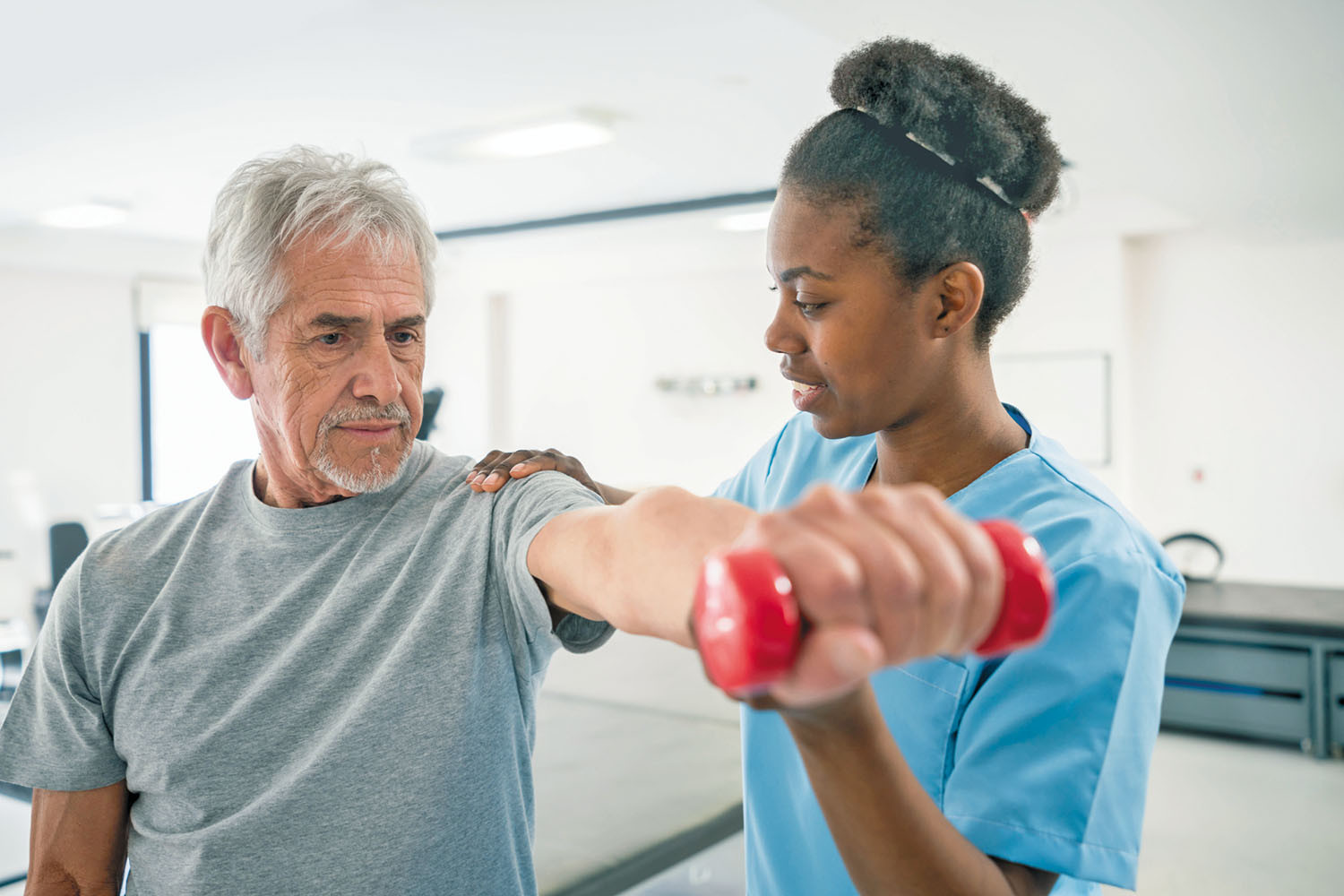
Fight back against muscle weakness
Pinpoint the cause and take steps to preserve your mobility and independence.
Muscle weakness is sneaky. It often appears gradually and makes once-simple tasks harder — like having to rock back and forth to get out of a chair or tug a few times on the car door to open it.
More than an inconvenience, muscle weakness has a domino effect on health. It slows your metabolism (how fast your body burns energy), puts more pressure on your joints, hurts your posture, throws off your balance, and limits your mobility.
Even a little exercise linked with lower stroke risk in people with afib
Testosterone therapy without evidence of deficiency may boost heart risk
Weight-loss drug may lower risk of heart attacks and infections
What to eat on the DASH diet
Migraine: How it's diagnosed and what that means
Tricep workouts you can do at home
Mindfulness practices to reduce stress and improve focus
Antihistamines may not offer meaningful relief from eczema symptoms
Overweight and taking blood pressure medications: Study finds it's a trend that's working
FDA approves first mRNA-based flu vaccine
Free Healthbeat Signup
Get the latest in health news delivered to your inbox!
Sign Up
