

Even a little exercise linked with lower stroke risk in people with afib

Testosterone therapy without evidence of deficiency may boost heart risk

Weight-loss drug may lower risk of heart attacks and infections

What to eat on the DASH diet

Migraine: How it's diagnosed and what that means

Tricep workouts you can do at home

Mindfulness practices to reduce stress and improve focus

Antihistamines may not offer meaningful relief from eczema symptoms

Overweight and taking blood pressure medications: Study finds it's a trend that's working

FDA approves first mRNA-based flu vaccine
Medical devices Archive
Articles

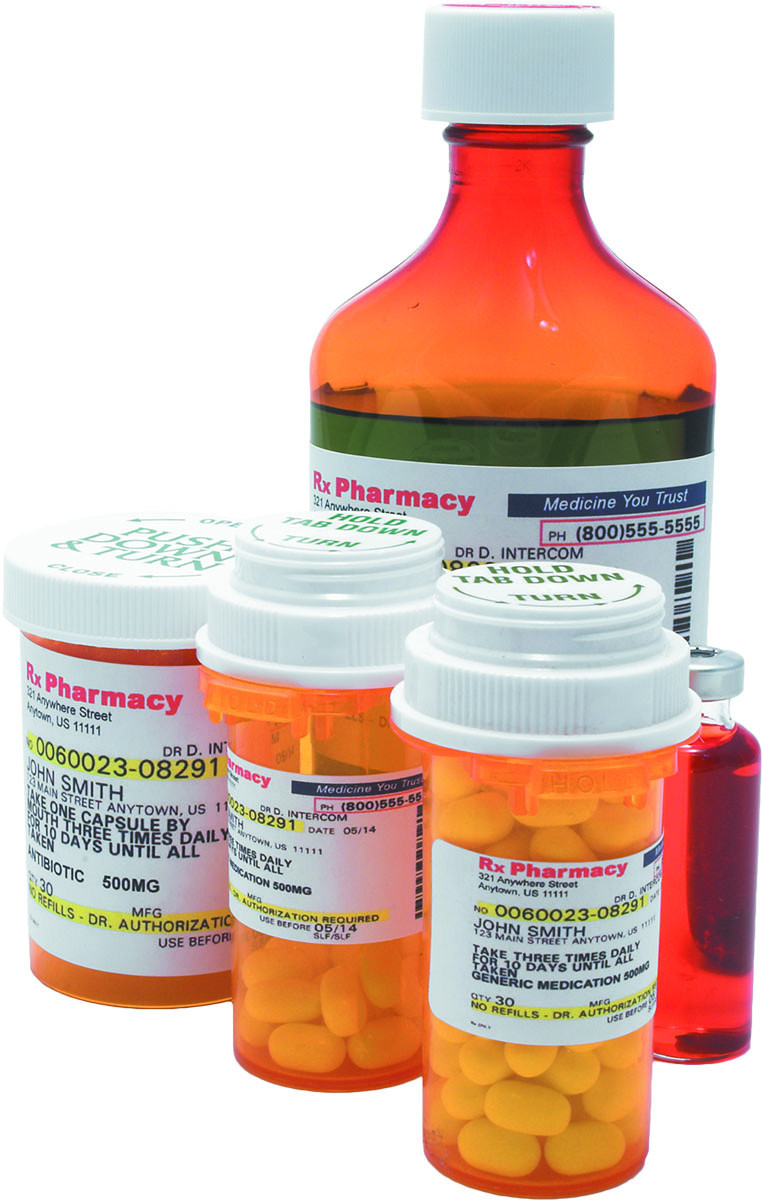
Taking multiple prescriptions can be risky
Simple organization and communication strategies can help you manage your medications and reduce health risks.
If your pillbox is overflowing, you're not alone. Some 60% of Americans have at least one chronic condition, and 40% have two or more, according to the CDC. Doctors often prescribe multiple drugs to manage them.
"Some studies have found that a large number of people are taking as many as 12 to 15 drugs at a time," says Dr. David Bates, a professor of medicine at Harvard Medical School.
What to do when medication makes you constipated
Antidepressants and opioids are common offenders.
It's frustrating when you feel the urge to move your bowels but can't seem to go. Before blaming your diet, consider whether medication side effects are causing your constipation.
Possible suspects
Many medications can contribute to constipation, including the following:
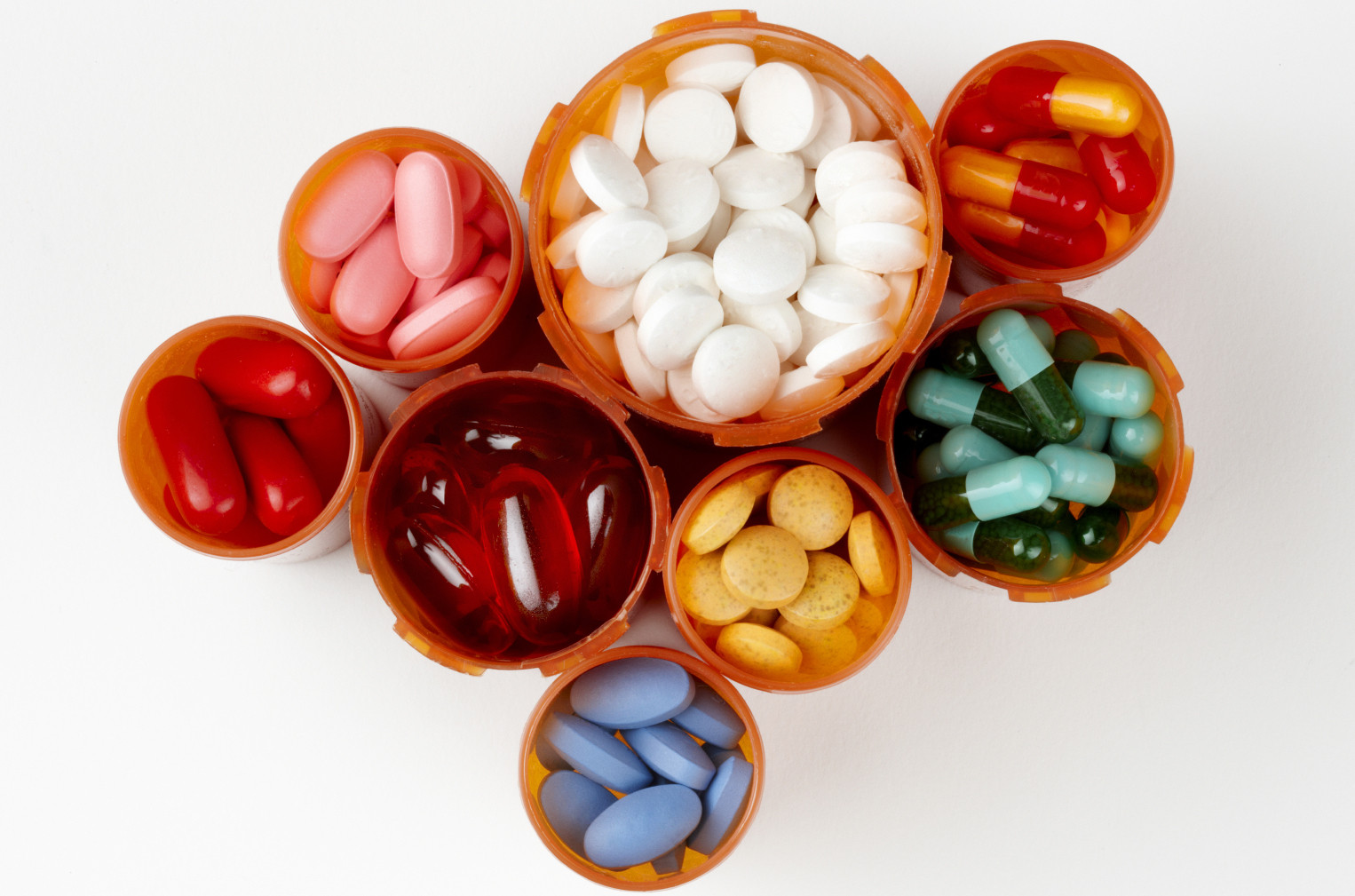
What to do when medication makes you sleepy
It may be as simple as adjusting the dose, avoiding alcohol, or taking the drug at a different time of day.
Image: iStock
One of the most commonly reported side effects of some medications is drowsiness. "Many people report tiredness or fatigue as a side effect from their medicines. However, there are things you can do to minimize the feelings of daytime sleepiness," says Laura Carr, a pharmacist at Harvard-affiliated Massachusetts General Hospital.
Typical offenders
Common culprits that cause sleepiness include antidepressants; antihistamines, found in sleep aids or medicines that treat allergies; anti-emetics, which are used to control nausea and vomiting; antipsychotics and anticonvulsants, which can be used to treat seizures or depression; drugs to treat high blood pressure, including alpha blockers and beta blockers; benzodiazepines and other sedatives, which are commonly used for anxiety or insomnia; drugs for Parkinson's disease; muscle relaxants; and opioids and other prescription pain medications. Many over-the-counter medicines may also make you drowsy, such as remedies for insomnia, allergies, nausea, vomiting, or diarrhea.

Are the new migraine medications working?
Doctors say three recently approved migraine prevention drugs are helping people have fewer headaches.
For people with frequent, debilitating migraine headaches, 2018 brought encouraging news. The FDA approved three new medications — erenumab (Aimovig), fremanezumab (Ajovy), and galcanezumab (Emgality) — the first drugs designed specifically to prevent migraines and reduce their frequency, intensity, and duration.
It was a big development, since other medications used to stop migraines were created to control other conditions, such as seizures, depression, high blood pressure, or an irregular heartbeat. But their side effects (such as weight gain, dizziness, or fuzzy thinking) often cause people to skip treatment.

Transforming the treatment of diabetes
Technology may help to provide more supportive, efficient, and effective care for diabetes, a leading contributor to heart disease.
About one of every 11 adults in this country has diabetes — a chronic, costly condition that's closely connected to heart disease. Lifestyle changes that encourage eating healthy foods, exercising, and losing weight are the cornerstone of managing both problems. But making those changes can often feel overwhelming and frustrating, especially for people with diabetes. They also need to keep tabs on their blood sugar levels, which are influenced by what and when they eat and exercise.
And getting effective support for managing diabetes with lifestyle changes isn't easy. "The current system for managing diabetes is broken," says Dr. Osama Hamdy, medical director of the Obesity Clinical Program at Harvard-affiliated Joslin Diabetes Center. For starters, there aren't nearly enough endocrinologists for the millions of people with diabetes in this country. Appointments with these specialists are often too short and too infrequent for people to make meaningful progress, he explains.

What is an implanted cardioverter-defibrillator, and who needs one?
Learn how these high-tech devices can save — and change — your life.
Defibrillators are devices that can detect — and correct — potentially deadly heart rhythms. The most common is ventricular fibrillation, which makes the heart's lower chambers (ventricles) quiver without actually squeezing and pumping. Blood stops flowing to the brain and other organs, causing the person to pass out. Death can occur within minutes.
A quick jolt of electricity can restore the heart's normal rhythm, however. The shock can be delivered from outside the chest with an automated external defibrillator (AED). Located in many public places, these portable devices can be used by medical personnel as well as untrained people, thanks to audible prompts that explain what to do. But some people are candidates for an implantable cardioverter-defibrillator (ICD), a miniature electronic device placed under the skin below the collarbone (see illustration).
Study links certain medications to a higher risk of dementia
But some experts say limitations of the study raise questions about the results.
Could one of your regular pills raise your risk of dementia? A study published online June 24 by JAMA Internal Medicine found that people over age 55 who took a daily dose of certain common drugs for approximately three years had a 50% higher risk of developing dementia.
The medicines in question are in a category known as anticholinergics, which are used to treat conditions as diverse as depression, urinary incontinence, allergies, and Parkinson's disease. The study's authors say the findings should prompt doctors to use caution or potentially even avoid prescribing certain medications to people over age 45 on a long-term basis if there are other options available.

Cyber security risk sparks implanted device recalls
News briefs
As we reported last year, advances in digital health monitoring — such as implantable sensors to detect irregular heartbeats — are changing the way health is managed. The gadgets are programmed wirelessly and can transmit information to your doctor's office or to other gadgets, such as an external blood sugar monitor that tells an implanted pump how much insulin to release. But it's unclear if the devices are safe from hackers who could illegally access your information, steal your identity, and even make an implanted device malfunction. Now the FDA is warning that certain insulin pumps — the Medtronic MiniMed 508 series and MiniMed Paradigm series pumps — are at risk of being hacked. Medtronic recalled the pumps in June, estimating that at least 4,000 people are at risk. The FDA says Medtronic will provide alternative pumps.
Talk to your doctor to get the process started or if you're concerned that your pump's settings have been changed. In March, the U.S. Department of Homeland Security issued similar warnings about 750,000 Medtronic implantable cardioverter-defibrillators. Medtronic did not recall them but is working on a software update to improve security.

Beware of bats to avoid rabies infection
Research we're watching
Rabies infections are extremely rare in the United States, with only approximately one to three cases seen each year. That number has dropped significantly since the 1930s and 40s when there were 30 to 50 cases during the average year. But when they do occur, they're typically transmitted by infected bats. According to a new report by the CDC, the majority of people who have died from rabies in the United States were infected through contact with a bat. This is the case even though bats represent only one-third of the 5,000 rabid animals typically seen in the United States each year. The second most common source for rabies infections in Americans is rabid dogs encountered when people are traveling overseas.
To prevent exposure to rabies, be certain to let your doctor know if you are scratched or bitten by a bat, or if you awaken with one flying around your house or bedroom, says the CDC. If you are exposed to rabies, your doctor can administer a series of shots (known as post-exposure prophylaxis) before you develop symptoms, which can prevent you from developing a rabies infection, which is almost always fatal. If you are traveling outside the United States, be aware that dogs may carry the infection.

Managing statin muscle pain
There are several things you can do to prevent or minimize the aches and pains that might accompany statin use.
If you're not taking a statin now, you may well be soon. These medications are commonly prescribed to lower "bad" LDL cholesterol and have been shown to reduce the risk of heart attack, stroke, and death. They are routinely recommended for people who have cardiovascular disease and for many people ages 40 to 75 who don't have cardiovascular disease but have at least one risk factor (high blood pressure, high cholesterol, diabetes, or smoking) and a 7.5% or greater risk of a stroke or heart attack in the next decade. Moreover, recent research indicates that they may benefit high risk individuals over age 75 as well.
Muscle pain and other statin side effects
Taking a statin may give you some assurance that you're doing all you can to avoid heart attack and stroke, but you may also experience side effects. Reported side effects include an increased chance of developing diabetes — which is largely restricted to people who are already at risk for diabetes, and who can be monitored with glucose or hemoglobin A1c tests. Statin use has also been associated with difficulties with memory and reasoning, although there is no clear evidence that the drugs were responsible. In very rare cases, statins may cause liver problems or a potentially life-threatening breakdown in muscle cells.
Even a little exercise linked with lower stroke risk in people with afib
Testosterone therapy without evidence of deficiency may boost heart risk
Weight-loss drug may lower risk of heart attacks and infections
What to eat on the DASH diet
Migraine: How it's diagnosed and what that means
Tricep workouts you can do at home
Mindfulness practices to reduce stress and improve focus
Antihistamines may not offer meaningful relief from eczema symptoms
Overweight and taking blood pressure medications: Study finds it's a trend that's working
FDA approves first mRNA-based flu vaccine
Free Healthbeat Signup
Get the latest in health news delivered to your inbox!
Sign Up
