

People who walk more or walk faster live longer, study finds

Rosacea treatments: What works?

For sleep apnea, a dental device may be as effective as CPAP

Carb cycling: What is it, and does it work?

Salmonella, E. coli, Cyclospora, and other germs that cause food poisoning: What you need to know

Understanding orthorexia: Have your healthy eating goals gone too far?

Melatonin or magnesium: Can either supplement help you sleep?

Harvard study: Healthier fats linked to longer life after prostate cancer diagnosis

Naturally gluten-free foods

Shingrix shingles vaccine linked with lower heart disease risks
Heart Disease Archive
Articles

Small upgrades to sleep, diet, and exercise may cut heart risk
Sleeping 11 additional minutes, doing an extra five minutes of moderate-to-vigorous physical activity, and eating just a quarter-cup more of vegetables each day was linked to a 10% reduction in heart attacks, strokes, and other serious heart problems, according to a 2026 study.
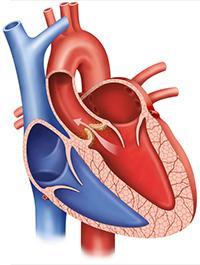
Heart-healthy habits over time linked to a lower risk of aortic stenosis
People who maintain or improve their heart-related risks over time are less likely to develop calcification of the aortic valve, which may lead to aortic stenosis.
New cholesterol guidelines recommend Lp(a) blood test
All adults should get a lipoprotein(a) blood test at least once in their lifetime, according to the 2026 cholesterol guidelines. Also known as Lp(a), these fatty particles are similar to LDL (bad) cholesterol but more dangerous.
Higher fitness levels linked to lower risk of depression, dementia
People with higher levels of cardiorespiratory fitness were less likely to develop depression and dementia than those with low levels of cardiorespiratory fitness, according to a 2026 research review.

Premature menopause linked to higher lifetime risk of heart disease
Women who experience premature menopause (when menstrual periods end before age 40) have a 40% higher risk of heart attacks than women who experience menopause after age 40, according to a 2026 study.
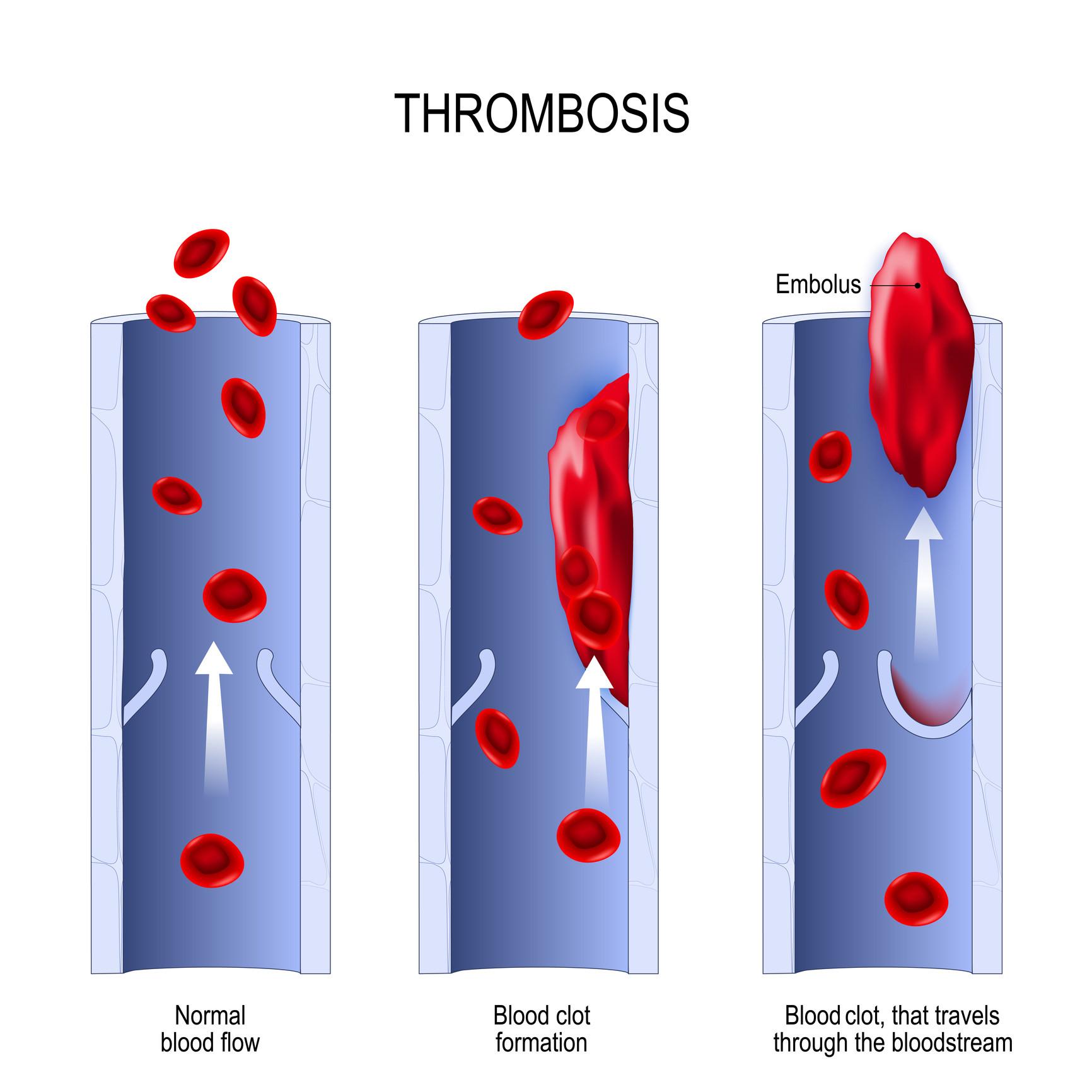
Leg clots (aka deep-vein thrombosis): an immediate and long-term health hazard
When it comes to under-the-radar health conditions, deep-vein thrombosis is at the top of the list. Most of my patients have never heard of this common problem. Yet deep-vein thrombosis puts more than one-quarter million Americans in the hospital each year, and complications from it are responsible for upwards of 100,000 deaths.

What is non-HDL cholesterol?
For many people, non-HDL cholesterol (which is total cholesterol minus HDL cholesterol) may be as good as (or even more reliable than) LDL for assessing a person's risk of heart problems.

5 numbers linked to ideal heart health
Five numbers give a thumbnail assessment of overall heart health and what factors people might need to address to lower the risk of a heart attack or stroke. These numbers offer ideal goals for most people, although targets vary for individuals based on age or other health conditions.

What's the best blood pressure target for older adults?
For people over 60, aiming for a blood pressure target below 130/80 mm Hg may prevent more cardiovascular problems than aiming for the higher target suggested by some physicians. Some feared that the more intensive treatment required to reach the lower target might cause more adverse side effects (such as dizziness and falls) in older people. But side effects do not appear to differ among people taking intensive versus standard therapy.

How does blood pressure work?
Blood pressure is the push of blood through the body, like water through a hose. Pressure depends on how hard the heart pumps, how much blood there is, and how tight small vessels are, all influenced by hormones, salt, fluids, and stress.
People who walk more or walk faster live longer, study finds
Rosacea treatments: What works?
For sleep apnea, a dental device may be as effective as CPAP
Carb cycling: What is it, and does it work?
Salmonella, E. coli, Cyclospora, and other germs that cause food poisoning: What you need to know
Understanding orthorexia: Have your healthy eating goals gone too far?
Melatonin or magnesium: Can either supplement help you sleep?
Harvard study: Healthier fats linked to longer life after prostate cancer diagnosis
Naturally gluten-free foods
Shingrix shingles vaccine linked with lower heart disease risks
Free Healthbeat Signup
Get the latest in health news delivered to your inbox!
Sign Up
