

CoQ10: Should you take this popular supplement if you're on a statin?

Oat vs. dairy milk: Nutrition, benefits, and downsides

Microplastics: A hidden health threat?

Healing after food poisoning

What is tempeh? Benefits, nutrition, and how to use it

Light exposure at night may raise risk for heart disease

Whole grains may improve several heart risk factors at once

A lumbar belt may help ease low back pain

Children of centenarians may stay healthier and live longer too, study finds

Signs of pneumonia: Sometimes vague and unexpected
Heart Disease Archive
Articles

Do thyroid conditions cause high blood pressure?
Thyroid issues and blood pressure may be connected in more than one way. See how symptoms, lab results and treatment can affect your readings.
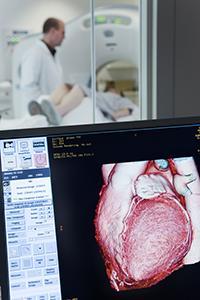
Atherosclerosis: Can AI help your doctor detect it?
Using an AI algorithm on a coronary computed tomography angiogram can quantify the type and amount of plaque in the heart’s arteries. But whether that information can help prevent more heart attacks remains to be seen.
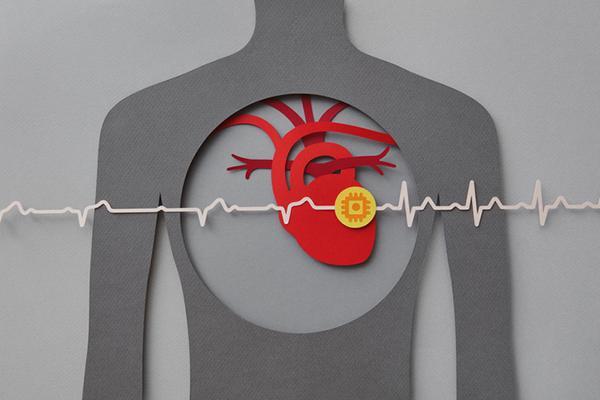
What is third-degree heart block?
Heart block is a slowdown or blockage of the electrical signals that travel from the upper to lower chambers of the heart. People with third-degree heart block (the most serious form) nearly always need a permanent pacemaker.

Should I take a statin if my calcium score is low?
People who have a low coronary artery calcium score (between 1 and 99) have signs of early heart disease. Current guidelines recommend taking a statin, with a goal of lowering LDL cholesterol by at least 30%.
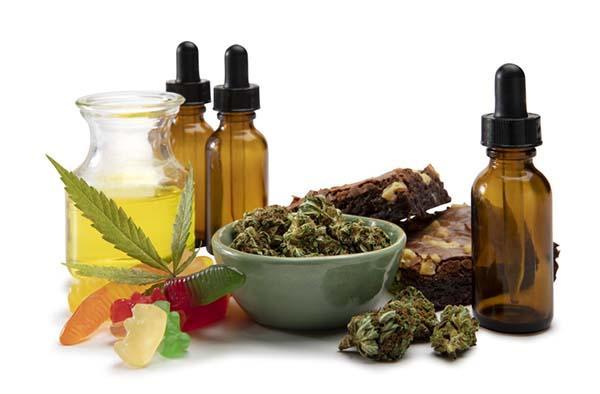
Heart risks from cannabis remain hazy but warrant caution
A 2026 review found conflicting evidence regarding the links between cannabis and heart-related problems, including heart attacks, stroke, coronary artery disease, and heart failure. The most consistent association was between cannabis use and heart rhythm problems.
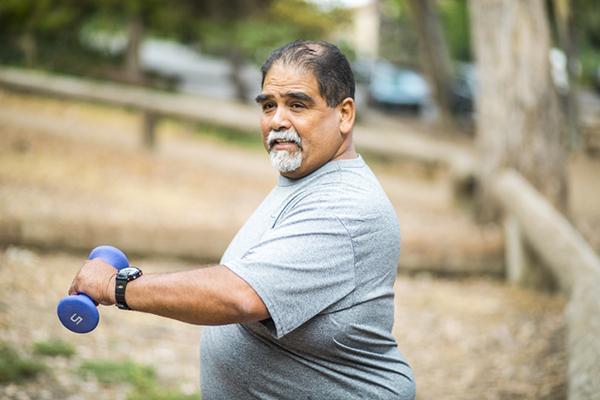
Lose more weight and protect your heart by pairing exercise with eating fewer calories
Exercising more without eating less is often unsuccessful for people trying to lose weight. Despite this, exercise can still improve blood pressure and cholesterol levels.

Beef tallow, seed oils, and full-fat dairy: Are any of them heart-healthy?
Foods that contain mainly saturated fat, such as beef tallow and butter, are less heart-healthy than those that contain mainly unsaturated fats, including olive oil and seed oils such as canola oil and soybean oil.

Cardiac amyloidosis: Better detection and new treatments
Cardiac amyloidosis is a rare heart condition that causes the walls of the heart to become thick, stiff, and unable to pump normally. Three FDA-approved medications for the most common form, ATTR-CM, slow disease progression and extend life.

Could my headaches, racing heart, and fatigue be related to high blood pressure?
Symptoms like headaches, fatigue, and a racing heart own their own or combined can be unsettling. Uncover why high blood pressure is often silent and why checking it regularly matters.
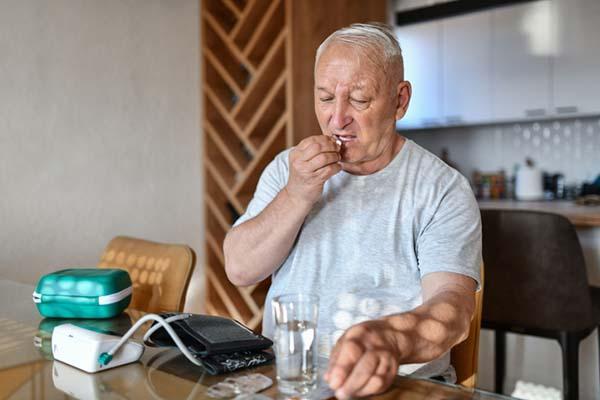
What should I know about taking Sudafed if I have high blood pressure?
Sudafed can nudge blood pressure higher, especially in people with hypertension. See why labels matter and when to talk with your doctor.
CoQ10: Should you take this popular supplement if you're on a statin?
Oat vs. dairy milk: Nutrition, benefits, and downsides
Microplastics: A hidden health threat?
Healing after food poisoning
What is tempeh? Benefits, nutrition, and how to use it
Light exposure at night may raise risk for heart disease
Whole grains may improve several heart risk factors at once
A lumbar belt may help ease low back pain
Children of centenarians may stay healthier and live longer too, study finds
Signs of pneumonia: Sometimes vague and unexpected
Free Healthbeat Signup
Get the latest in health news delivered to your inbox!
Sign Up
