

Whole grains may improve several heart risk factors at once

Light exposure at night may raise risk for heart disease

Children of centenarians may stay healthier and live longer too, study finds

A lumbar belt may help ease low back pain

Signs of pneumonia: Sometimes vague and unexpected

The surprising link between ovarian cancer and the fallopian tubes

Using a vibration plate: What it can — and can't — do for your body

People who walk more or walk faster live longer, study finds

Rosacea treatments: What works?

For sleep apnea, a dental device may be as effective as CPAP
Heart Disease Archive
Articles
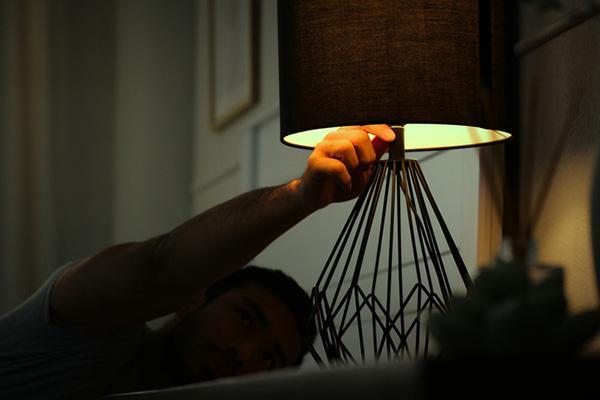
Light exposure at night may raise risk for heart disease
Sleeping in a dark room may do more than improve sleep; it may also benefit heart health. A 2026 study linked nighttime light exposure with harmful changes in heart structure and higher risks of heart failure, atrial fibrillation, heart attack, stroke, and death from heart disease.

Monitoring blood pressure at home? Make sure you follow these steps
Your doctor may ask you to track your blood pressure at home to help decide if you need to start taking medication or to track your response to treatment. Here's how to get accurate readings.

Why your gums are so important to your health
Periodontal disease, the leading cause of adult tooth loss, may increase the risk of diabetes, heart disease, and dementia.

People who walk more or walk faster live longer, study finds
A 2026 study found that taking more daily steps (even at a slow pace) or walking faster (even without adding steps) was associated with a lower chance of dying early.
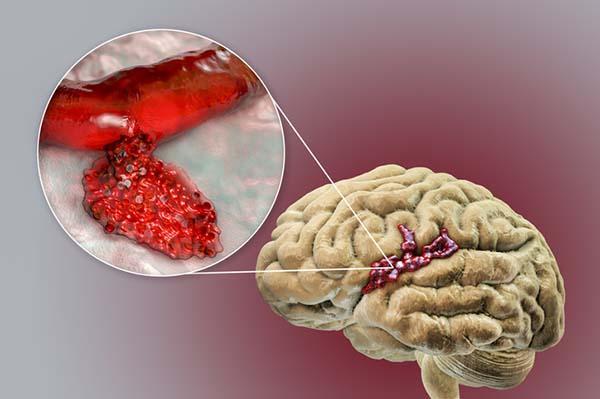
Cerebral amyloid angiopathy: A little-known cause of cognitive decline and stroke
Cerebral amyloid angiopathy is a common condition that causes amyloid to build up in tiny blood vessels on the brain’s surface. It can lead to gradual cognitive decline, brain bleeds, and hemorrhagic strokes.

Deprescribing heart medications
People with cardiovascular disease often take five or more medications, some of which may be unnecessary, inappropriate, or even harmful. For some people, stopping or lowering the dose of certain medications under a doctor’s guidance (deprescribing) may be a good strategy.
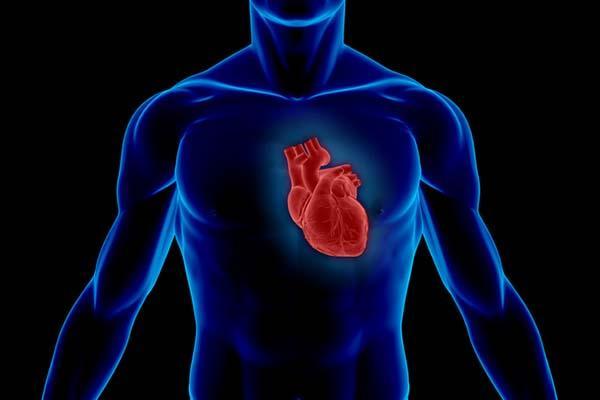
Top questions about heart valve replacement
Replacement heart valves, which are mechanical (made of metal or carbon) or tissue (made from heart tissue from a cow or pig), are inserted during either open-heart surgery or a minimally invasive procedure. The best option for each person depends on age and other factors.
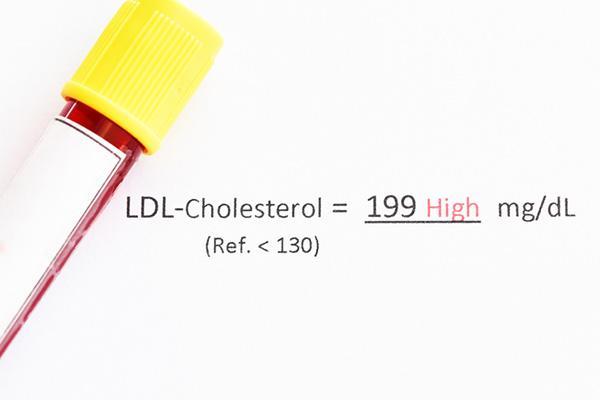
LDL cholesterol: Will it increase on a low-carb or keto diet?
Low-carb diets can have varied effects on LDL cholesterol levels based on a person’s body mass index. In lean people, LDL cholesterol values can rise dramatically, while levels may decline in people with obesity.
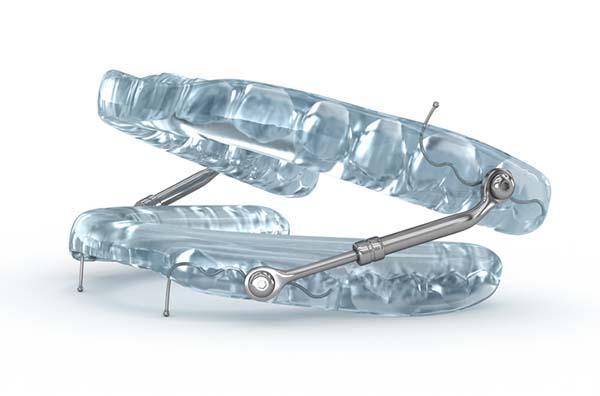
For sleep apnea, a dental device may be as effective as CPAP
For people with sleep apnea and hypertension, using a mandibular advancement device provided similar blood pressure control and less daytime sleepiness as continuous positive airway pressure, according to a 2026 study.
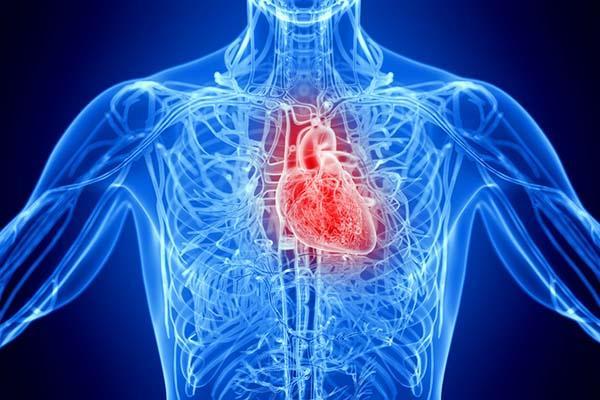
Can you treat inflammation to lower heart risk?
While a large study found that a drug to lower inflammation failed to prevent heart attacks and related risk, inflammation is still important in the development of coronary artery disease.
Whole grains may improve several heart risk factors at once
Light exposure at night may raise risk for heart disease
Children of centenarians may stay healthier and live longer too, study finds
A lumbar belt may help ease low back pain
Signs of pneumonia: Sometimes vague and unexpected
The surprising link between ovarian cancer and the fallopian tubes
Using a vibration plate: What it can — and can't — do for your body
People who walk more or walk faster live longer, study finds
Rosacea treatments: What works?
For sleep apnea, a dental device may be as effective as CPAP
Free Healthbeat Signup
Get the latest in health news delivered to your inbox!
Sign Up
