

Signs of pneumonia: Sometimes vague and unexpected

The surprising link between ovarian cancer and the fallopian tubes

Using a vibration plate: What it can — and can't — do for your body

People who walk more or walk faster live longer, study finds

Rosacea treatments: What works?

For sleep apnea, a dental device may be as effective as CPAP

Carb cycling: What is it, and does it work?

Understanding orthorexia: Have your healthy eating goals gone too far?

Melatonin or magnesium: Can either supplement help you sleep?

Salmonella, E. coli, Cyclospora, and other germs that cause food poisoning: What you need to know
Endometriosis Archive
Articles

Careful! Health news headlines can be deceiving
Eye-catching media headlines are intended to snag our attention and can influence whether we decide to read, click on, or tune into a story. When it comes health and medicine, though, it's best to be careful: headlines may be written in a way that is misleading, confusing, or deceptive, so understanding the thinking behind them and focusing on the facts is important.

Preventing preeclampsia may be as simple as taking an aspirin
Preeclampsia is a complication of pregnancy that can cause serious health issues. While it can happen during any pregnancy, certain risk factors increase its likelihood. Now, a statement from the US Preventive Services Task Force supported by a review of research recommends that doctors prescribe a low-dose daily aspirin for those at risk.

Menopause and memory: Know the facts
The number of people in the US with Alzheimer's disease is expected to climb drastically over the coming decades, and two-thirds of those people will be women. Understanding factors that happen earlier in life, and how they impact the brain later, is critical for developing strategies to prevent this public health crisis. Studies are examining the ways menopause affects the brain and how to maintain memory.

If it’s not breast cancer, should you worry?

Laser therapy can counter vaginal symptoms of menopause

Why try for a vaginal birth after a cesarean?
In the US, nearly a third of babies born arrive by cesarean delivery, and once a person has had a cesarean birth, the odds increase that any subsequent babies will be delivered the same way. Why is trying for a vaginal birth after cesarean (VBAC) helpful and how has a calculator intended to predict the likelihood of successful outcomes changed to help discourage health disparities?

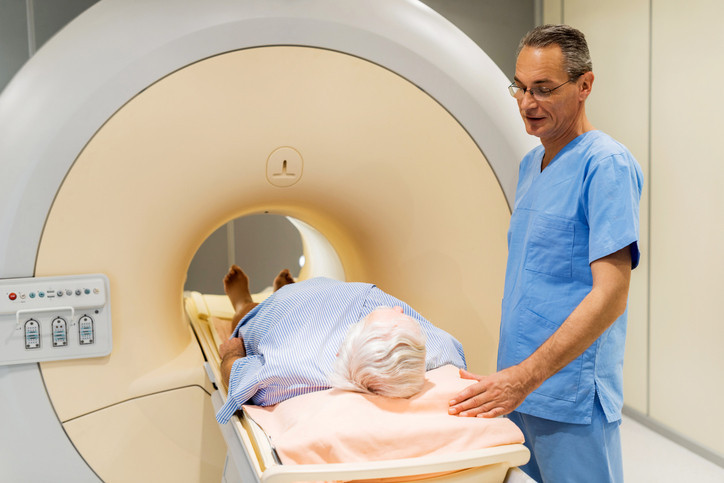
Radiation risk from medical imaging
Given the huge increase in the use of CT scans, concern about radiation exposure is warranted. Patients should try to keep track of their cumulative radiation exposure, and only have tests when necessary.


Early menopause linked to higher risk of stroke
Signs of pneumonia: Sometimes vague and unexpected
The surprising link between ovarian cancer and the fallopian tubes
Using a vibration plate: What it can — and can't — do for your body
People who walk more or walk faster live longer, study finds
Rosacea treatments: What works?
For sleep apnea, a dental device may be as effective as CPAP
Carb cycling: What is it, and does it work?
Understanding orthorexia: Have your healthy eating goals gone too far?
Melatonin or magnesium: Can either supplement help you sleep?
Salmonella, E. coli, Cyclospora, and other germs that cause food poisoning: What you need to know
Free Healthbeat Signup
Get the latest in health news delivered to your inbox!
Sign Up
