

Whole grains may improve several heart risk factors at once

Light exposure at night may raise risk for heart disease

Children of centenarians may stay healthier and live longer too, study finds

A lumbar belt may help ease low back pain

Signs of pneumonia: Sometimes vague and unexpected

Using a vibration plate: What it can — and can't — do for your body

The surprising link between ovarian cancer and the fallopian tubes

People who walk more or walk faster live longer, study finds

Rosacea treatments: What works?

For sleep apnea, a dental device may be as effective as CPAP
Eating for heart health Archive
Articles
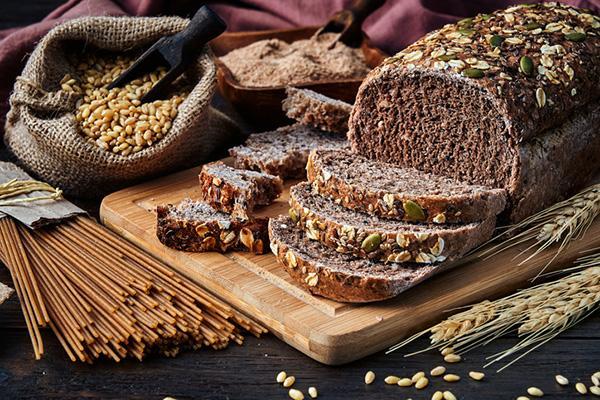
Whole grains may improve several heart risk factors at once
An analysis of 87 studies found that eating more whole grains may provide modest improvements in cholesterol, triglycerides, blood sugar, weight, blood pressure, and inflammation. Benefits rose as consumption increased to at least four to six servings of whole grains daily. The heart-health benefits of a whole-grain-rich diet may add up over time.

What are some nutritious breakfast options for busy mornings?
Busy mornings do not have to mean skipping balanced nutrition. These quick food combinations offer satisfying alternatives to breakfast shakes.

2 easy, affordable, plant-centered dinners
Shifting your diet to eat more plant-based foods and less meat and dairy products is a smart choice for your health, wallet, and the planet. These two easy, affordable and adaptable recipes are a good way to give plant-based eating a try.

Are certain types of sugars healthier than others?
A high intake of sugar is linked to an increased risk of obesity, type 2 diabetes, cardiovascular disease, and certain cancers. But whether some sugars are healthier (or worse) than others remains a question of interest to many.

Carb cycling: What is it, and does it work?
Carb cycling—alternating high- and low-carb days—may help athletes with fat loss and body composition when paired with structured exercise. But for most everyday exercisers, the regimen likely doesn’t offer benefits over simply following a healthy, balanced diet.
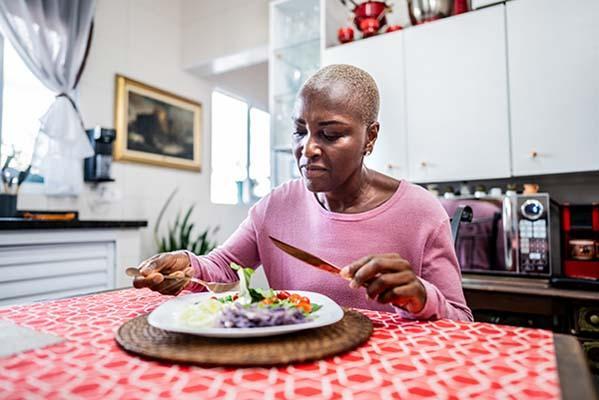
Understanding orthorexia: Have your healthy eating goals gone too far?
Orthorexia is an obsession with “pure” or “clean” eating that goes beyond healthy habits—marked by rigid food rules, anxiety around imperfect eating, and feelings of superiority. Though not a formal diagnosis, it’s treatable with help from a multidisciplinary team that includes various specialists in diet and mental health.
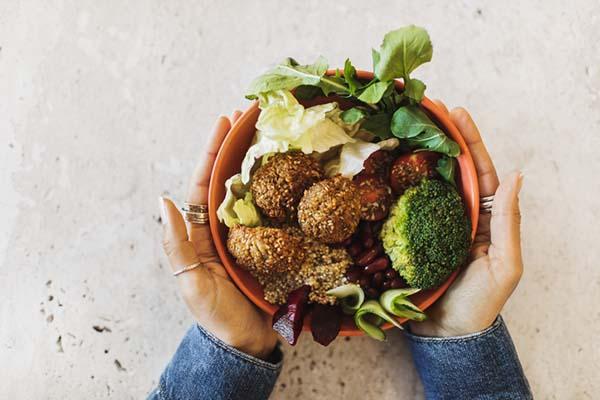
Naturally gluten-free foods
While gluten-free packaged foods offer convenience, whole foods like fruits, vegetables, proteins, dairy, and naturally gluten-free grains often provide better nutrition at lower cost. Building meals around these staples, rather than relying solely on specialty products, makes gluten-free eating easier to sustain.
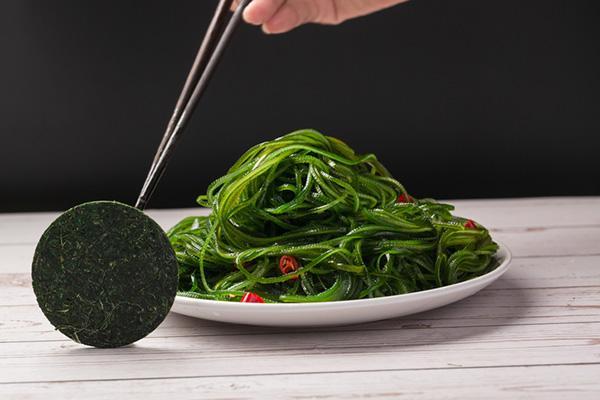
What should people with thyroid nodules know about kelp?
Kelp contains a nutrient that affects thyroid function, making supplement choices important for people with nodules or other thyroid concerns.

Nitrates in food and medicine: What's the story?
Nitrates are found in both leafy greens and processed meats. But it’s unclear how much these molecules matter compared with other components of those foods, as dietary nitrate levels have no proven link to heart disease risk.
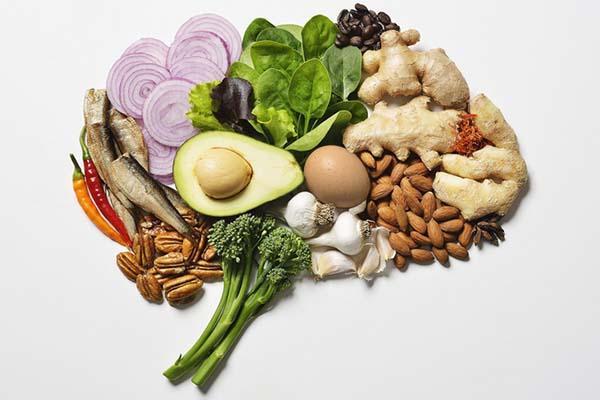
MIND diet: Eating for better brain health
The MIND diet combines Mediterranean and DASH diet principles with an added emphasis on brain-healthy foods like leafy greens, whole grains, and fish. Linked in some studies with slower cognitive decline and lower dementia risk, it’s a flexible eating pattern with benefits at any age.
Whole grains may improve several heart risk factors at once
Light exposure at night may raise risk for heart disease
Children of centenarians may stay healthier and live longer too, study finds
A lumbar belt may help ease low back pain
Signs of pneumonia: Sometimes vague and unexpected
Using a vibration plate: What it can — and can't — do for your body
The surprising link between ovarian cancer and the fallopian tubes
People who walk more or walk faster live longer, study finds
Rosacea treatments: What works?
For sleep apnea, a dental device may be as effective as CPAP
Free Healthbeat Signup
Get the latest in health news delivered to your inbox!
Sign Up
