

Whole grains may improve several heart risk factors at once

Light exposure at night may raise risk for heart disease

Children of centenarians may stay healthier and live longer too, study finds

A lumbar belt may help ease low back pain

Signs of pneumonia: Sometimes vague and unexpected

Using a vibration plate: What it can — and can't — do for your body

The surprising link between ovarian cancer and the fallopian tubes

People who walk more or walk faster live longer, study finds

Rosacea treatments: What works?

For sleep apnea, a dental device may be as effective as CPAP
Diet and nutrition Archive
Articles

Want to live longer? Rethink sugary drink consumption
News briefs
Drinking lots of sugary drinks — like soda, fruit punch, lemonade, or sports drinks — is associated with many health problems, such as weight gain and an increased risk for diabetes, heart disease, or stroke. But a Harvard-led observational study published March 18, 2019, in Circulation finds an even graver tie, linking sugar-sweetened beverage consumption to an early death. Researchers analyzed the data from two large studies of more than 110,000 men and women who responded to questionnaires about their lifestyle and health for about three decades or longer. The more sugary drinks participants consumed, the higher their risk for death from any cause during the study period. For example, compared with people who rarely drank sugary beverages, those who drank two to six sugary drinks per week had a 6% increased risk for an early death; those who drank two or more sugary drinks per day had a 21% increased risk for an early death, especially from cardiovascular disease (and especially among women). Drinking four or more artificially sweetened drinks per day (but not lesser amounts) also was tied to a slightly higher risk for early death. Best advice: avoid sugary drinks of any kind, and avoid drinking more than one artificially sweetened beverage per day.
Image: © Eivaisla/Getty Images

Fermented foods: Favorable for heart health?
So far, the evidence that foods and drinks rich in good bacteria can improve cardiovascular health is promising but limited.
A number of foods — yogurt, sauerkraut, as well as some less-familiar ones such as kimchi and tempeh — are made by fermentation, an age-old tradition for preserving food. These foods, as well as the fermented drinks kombucha and kefir, have been getting buzz in recent years, mostly focused on their potential to enhance gut health. Fermented products contain naturally occurring beneficial bacteria known as probiotics, which are thought to improve digestion.
Probiotics found in fermented foods may also provide modest heart-related benefits, according to a review article published in the Journal of the American College of Cardiology last year. One study found that eating kimchi (see "What are fermented foods?") daily helped people lose weight and lowered their blood pressure. Another noted improvement in blood sugar and cholesterol levels.

Sugary drinks linked to higher risk of dying from heart disease
Research we're watching
Frequently drinking sugary beverages such as sodas and sports drinks may raise a person's risk of dying from heart disease, new research finds.
For the study, published in the March 18 issue of Circulation, researchers analyzed data from more than 118,000 health professionals over a period of more than three decades. After adjusting for other diet, health, and lifestyle factors, they found that the more sugary drinks people consumed, the higher their risk of dying from any cause — but especially cardiovascular disease. Compared with people who rarely drank sugar-sweetened beverages, those who drank two or more per day were about one-third more likely to die of heart disease or a stroke.
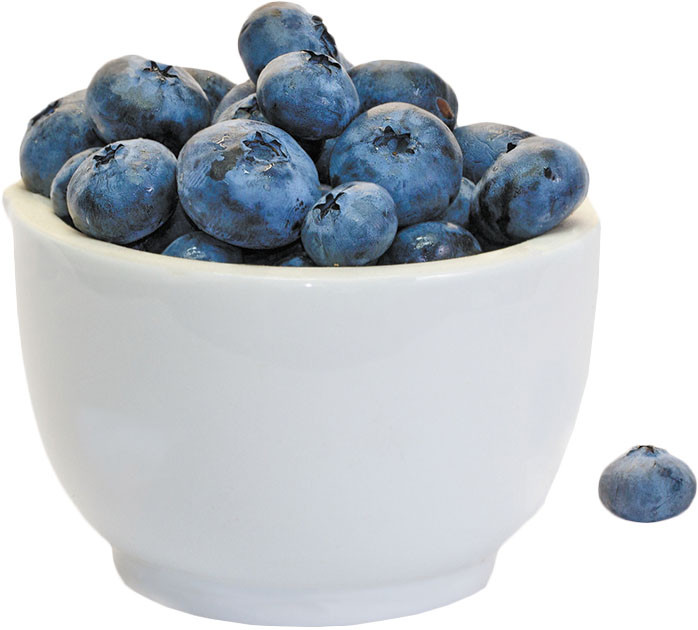
Blueberries may help lower blood pressure
In the journals
Eating a cup of blueberries every day may help your blood pressure, suggests a new study. The results, published online Feb. 16, 2019, by The Journals of Gerontology, Series A: Biological Sciences and Medical Sciences, found that consuming 200 grams of blueberries (about one cup) daily can improve blood vessel function and decrease systolic blood pressure (the top number in a blood pressure reading).
Researchers recruited 40 healthy men and randomly gave them either a drink containing 200 grams of whole wild blueberries or a control drink (which looked and tasted much the same) every day for a month. The team also monitored the men's blood pressure as well as the flow-mediated dilation of the brachial artery in their upper arms. This measures how the artery widens when blood flow increases and is a marker of reduced cardiovascular disease risk.

Is lack of exercise a problem if I'm at my ideal weight?
Ask the doctors
Q. I don't need to lose weight, so I don't exercise very often, but I maintain a healthy diet. Could my lack of exercise lead to health problems?
A. Exercise is essential for good health — even if you're not overweight. This point is illustrated by a recent study, published March 1 in The American Journal of Cardiology. It found that 30% of normal-weight people who were sedentary had the same risk of heart attack and stroke as people who were overweight. In short, just being at a healthy weight didn't necessarily ensure that someone was in good health. In addition to having a higher risk of serious cardiovascular events, some inactive but normal weight people were also more likely to have labored breathing during exercise and a larger-than-recommended waist circumference, compared with normal-weight adults who exercised regularly.
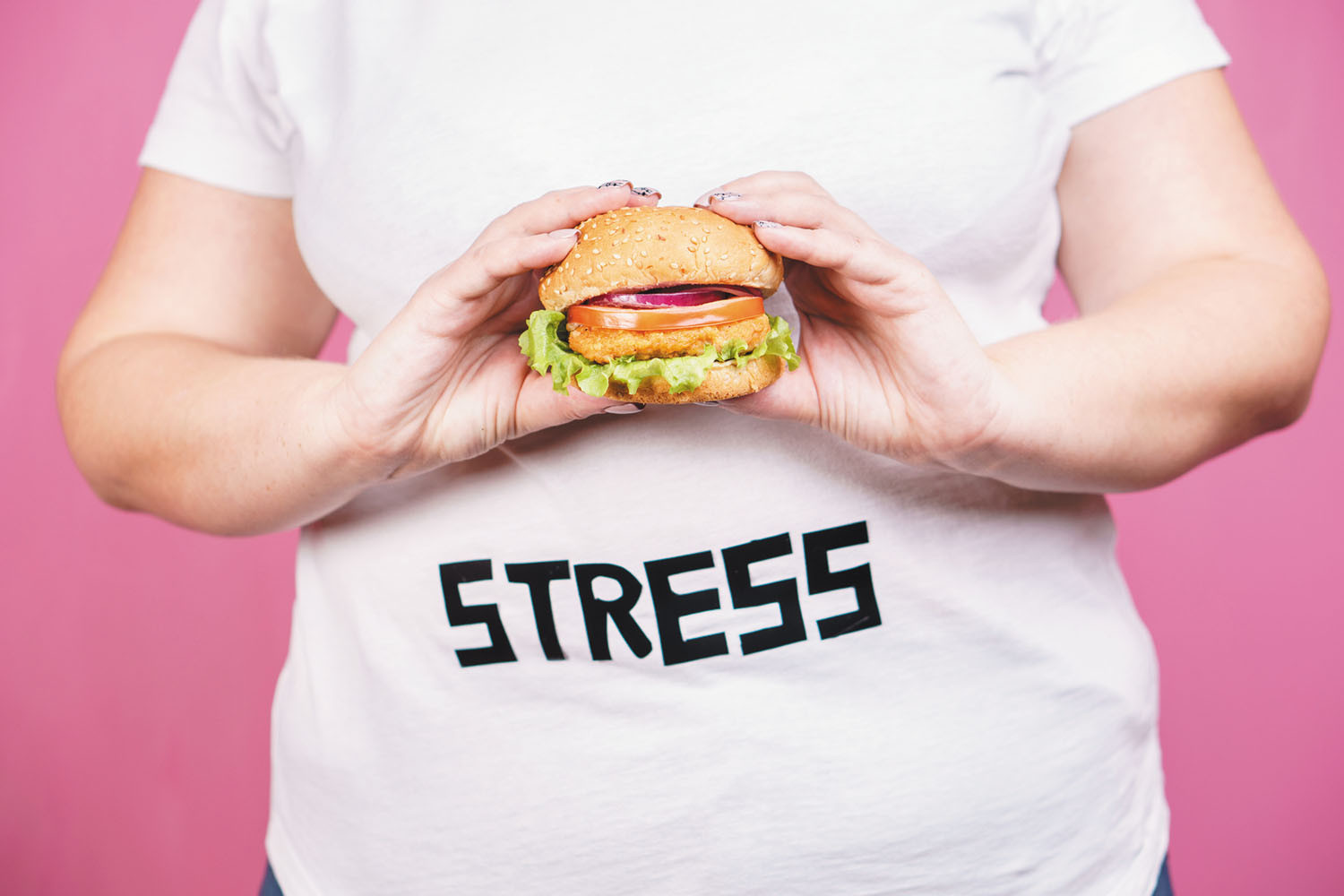
Simple strategies to stop stress-related overeating
Managing emotionally driven weight gain requires planning ahead.
How much and when you eat isn't driven just by hunger, which you likely already know if you've ever found yourself hunched over a bowl of ice cream after having a particularly stressful day. Stress can set off a cascade of physical reactions in your body that may not only drive you to eat more and make you crave less nutritious, fattening comfort foods, but also help you pack on extra pounds much more easily.
"Stress drives up levels of a hormone called cortisol in the blood," says Dr. Fatima Cody Stanford, an instructor in medicine at Harvard Medical School. Cortisol is a hormone produced by the adrenal gland that helps to regulate your metabolism. It also plays a role in blood sugar management and memory. When levels of cortisol rise, it can promote inflammation and may spur the body to start stockpiling fat around the midsection. "Stress might also disrupt sleep and drive people to seek out food when they wouldn't normally — such as in the middle of the night," says Dr. Stanford.
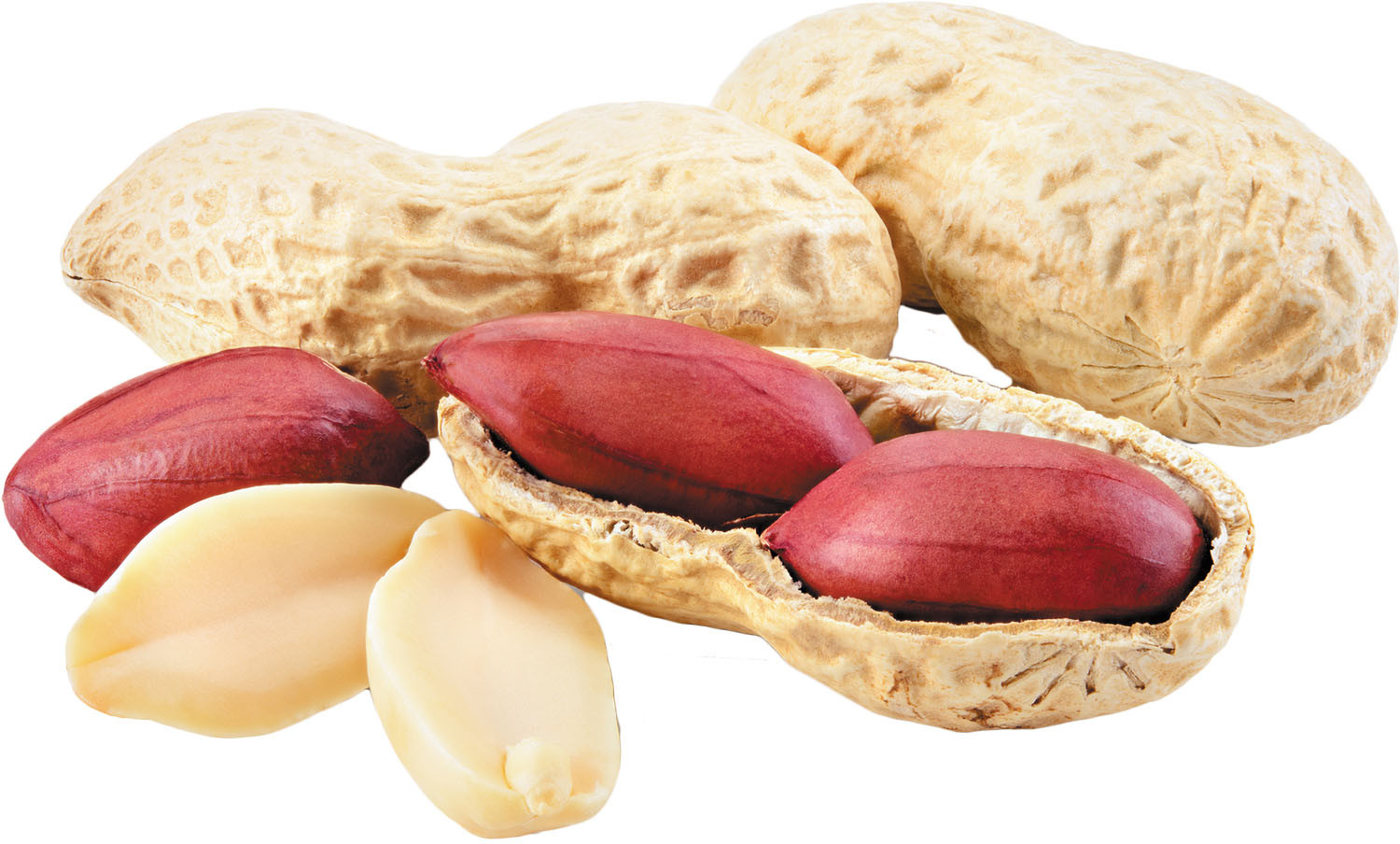
Legume of the month: Peanuts
Even though "nut" is in its name, a peanut is actually a legume. Like soybeans, lentils, and other legumes, peanuts are edible seeds that grow in pods. Still, most people think of them as nuts, along with tree nuts such as walnuts, almonds, and hazelnuts. (Unlike other legumes, which grow on vines or shrubs, peanuts grow underground.)
Nutritionally speaking, peanuts and tree nuts are fairly similar: they're all rich in healthy unsaturated fats and fiber, as well as several vitamins and minerals. Numerous studies suggest that people who eat peanuts or tree nuts frequently have lower rates of heart disease compared with people who rarely eat them. One added bonus for peanuts: they're not as pricey as tree nuts, making them a more affordable addition to your daily menu.

Ask the doctor: Are raw oats better than cooked oats?
Q. My family has squabbled about oats for some time. Some members say that to get the biggest health benefit from oats you need to eat them raw, at room temperature, and moistened with water. Others say they should be cooked. Does cooking take something beneficial out of oats? Can you bring us some peace at breakfast time?
A. Eating a bowl of raw oats "moistened with water" doesn't sound all that appetizing. And I am not sure it makes sense from a nutrition perspective. Normal cooking takes little away from oats. In fact, cooking helps release some nutrients that your body can't extract from raw oats.

Public policies to stop kids from drinking sugary drinks
Concern about the amount of sugar in kids’ diets has led the American Academy of Pediatrics and the American Heart Association to encourage the consideration of steps to reduce the consumption of sugary drinks among children and teens.
Whole grains associated with longevity, say Harvard researchers
Regularly eating whole grains can help you lower “bad” cholesterol, triglycerides, and blood pressure. A diet rich in whole grains also “is associated with a lower risk of developing cardiovascular disease, type 2 diabetes, metabolic syndrome, and certain types of cancer,” says Dr. Qi Sun, an associate professor at Harvard Medical School.
In a study published in JAMA Internal Medicine, Sun and colleagues reported that eating whole grains may even extend your life. Sun used the diet information of more than 100,000 men and women whose health was followed for more than 20 years. The study found that those who regularly ate whole grains had a 9% lower overall death rate and a 15% lower death rate from heart disease.
Whole grains may improve several heart risk factors at once
Light exposure at night may raise risk for heart disease
Children of centenarians may stay healthier and live longer too, study finds
A lumbar belt may help ease low back pain
Signs of pneumonia: Sometimes vague and unexpected
Using a vibration plate: What it can — and can't — do for your body
The surprising link between ovarian cancer and the fallopian tubes
People who walk more or walk faster live longer, study finds
Rosacea treatments: What works?
For sleep apnea, a dental device may be as effective as CPAP
Free Healthbeat Signup
Get the latest in health news delivered to your inbox!
Sign Up
