

Whole grains may improve several heart risk factors at once

Light exposure at night may raise risk for heart disease

Children of centenarians may stay healthier and live longer too, study finds

A lumbar belt may help ease low back pain

Signs of pneumonia: Sometimes vague and unexpected

Using a vibration plate: What it can — and can't — do for your body

The surprising link between ovarian cancer and the fallopian tubes

People who walk more or walk faster live longer, study finds

Rosacea treatments: What works?

For sleep apnea, a dental device may be as effective as CPAP
Diet and nutrition Archive
Articles
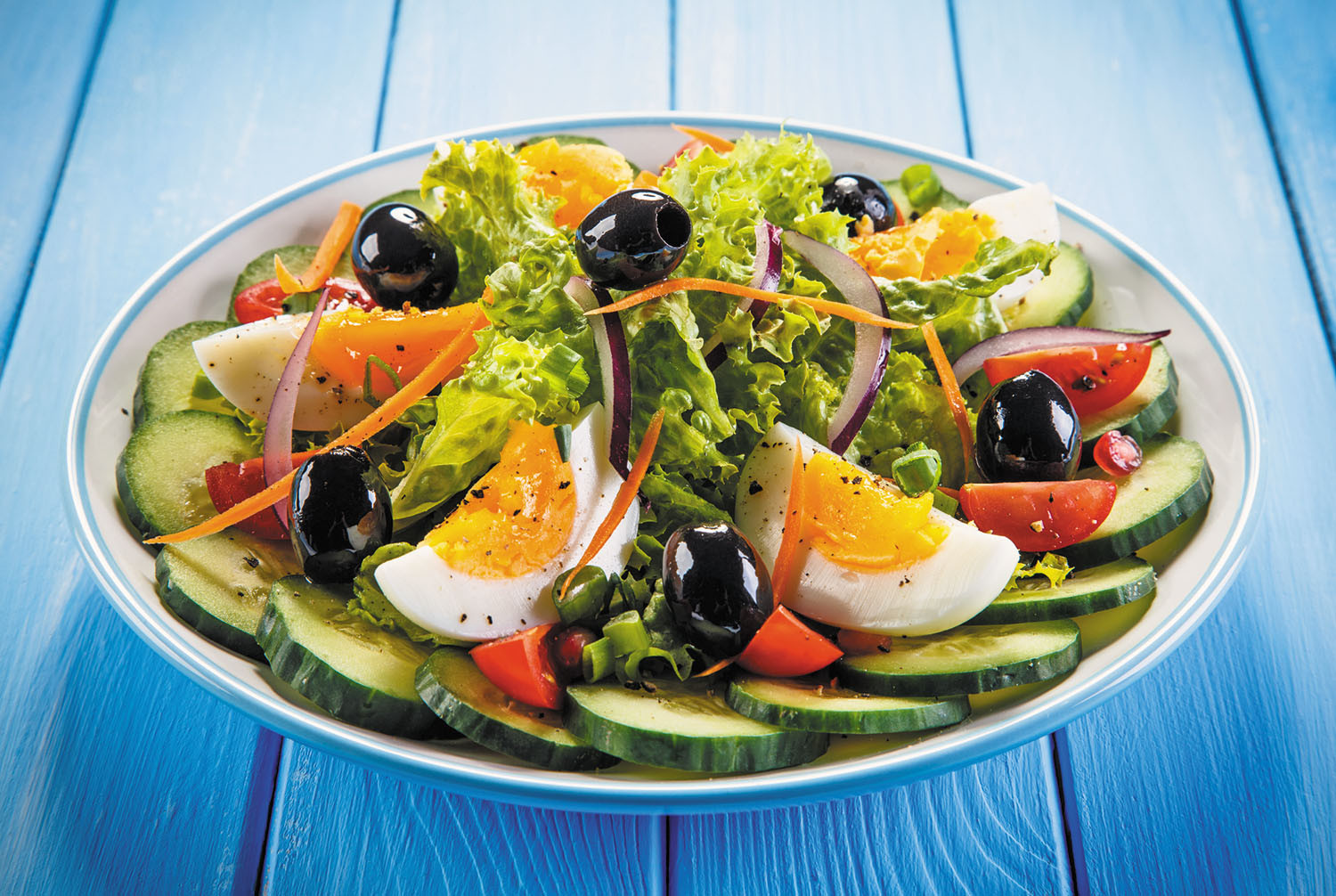
Unscrambling the message on eggs
Advice about eating eggs has evolved over the years. Should you go easy on this popular protein source?
Over the years, eggs have taken a bit of a beating, starting in the late 1960s. That's when the American Heart Association advised people to cut back on cholesterol in their diets and to eat no more than three whole eggs a week.
Decades later, eggs got a break after studies suggested that for most people, an egg a day was A-OK for heart health. But a recent report cracked down on eggs once again, suggesting that we return to the yolk-rationed days of yore (see "No yolk: Eggs linked to slightly higher risk of heart disease").

Legume of the month: Mung beans
Mung beans are popular in many Asian cuisines, where they're used in soups, curries, savory pancakes, and even desserts. These small, olive-green beans have a white speck at the center. Some say the mild flavor of mung beans is reminiscent of potatoes.
Natural food stores and some conventional grocery stores may carry dried mung beans, either packaged or in bulk bins. But Americans are probably more familiar with mung bean sprouts, which are used in Chinese and Thai stir-fries. You can often find these slender, crunchy white sprouts in the produce section of your supermarket. Studies show that mung bean sprouts contain slightly higher levels of beneficial antioxidants than the unsprouted beans.

To lower heart disease risk, swap beef for beans
Research we're watching
Eating healthy, plant-based proteins such as beans and nuts instead of red meat may lower your odds of heart disease, new research finds.
Researchers analyzed data from 36 trials that involved more than 1,800 people to see how different diets affect cholesterol, blood pressure, and other heart disease risk factors. When they compared diets with red meat to all other types of diets combined, there weren't any notable differences in cholesterol or blood pressure (although red-meat diets did lead to high levels of triglycerides, a type of fat in the blood).
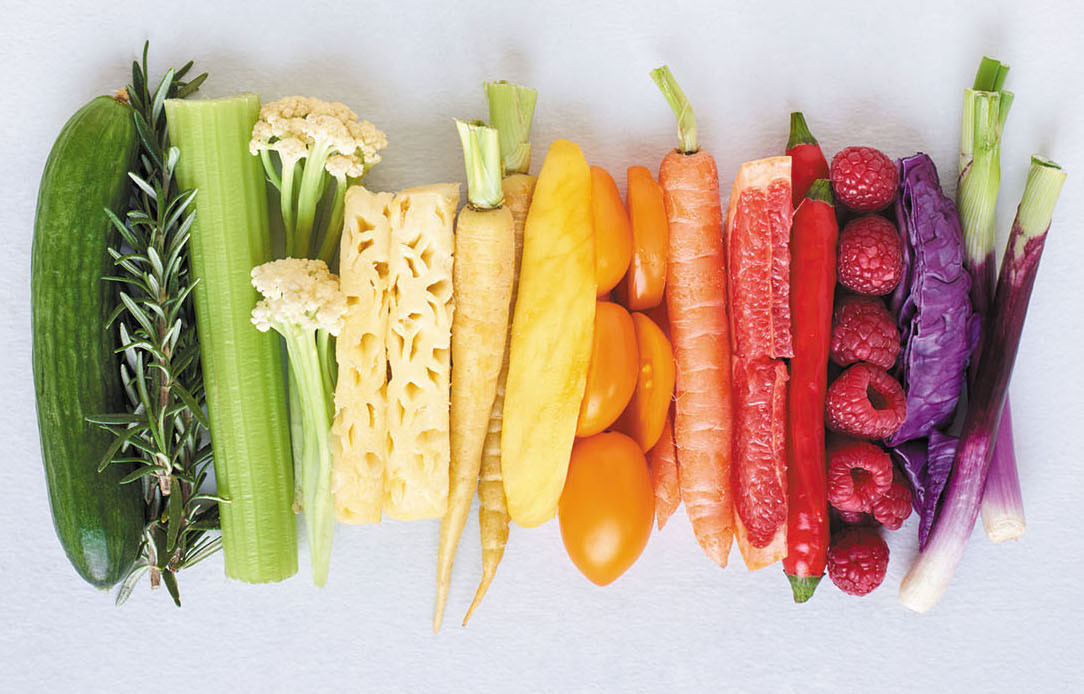
The larger role of micronutrients
You may need more of them in your daily diet than you think.
The saying goes that good things come in small packages, and that is especially true when it comes to nutrition.
There are two major classes of nutrients in food: macronutrients and micronutrients. Macro means big, and macronutrients take their name from the fact they make up the bulk of the nutrition in the food: carbohydrates, protein, and fat. These nutrients supply your calories and serve as the building blocks for muscles and tissues. Most people get plenty — and sometimes too many — from a regular diet.

Nutrients from food, not supplements, help you live longer
In the journals
An adequate intake of certain nutrients from food, but not supplements, is linked with a lower rate of death, according to a study in the April 9, 2019, Annals of Internal Medicine.
Researchers looked at the relationship between food and supplements and death from all causes among more than 30,000 adults. The results shows that adequate intakes of vitamin K, vitamin A, magnesium, zinc, and copper were associated with a lower risk of death from cardiovascular disease—but only if they came from food and not supplements.
Is your liver at risk?
Many Americans have fatty liver disease, a condition that can lead to serious liver problems.
If you're not a big drinker, you may not give much thought to the health of your liver. But there might be reason to be concerned. An estimated 64 million Americans have an often-symptomless liver condition called nonalcoholic fatty liver disease (NAFLD), which may put them at risk not only for serious liver disease, but for heart disease as well.
Many people — including doctors — didn't pay much attention to NAFLD until the 1980s, but life insurance companies have had this issue on their radar for years, says Dr. Michelle Lai, an assistant professor of medicine at Harvard Medical School. They knew that an abnormal liver blood test could reflect a lower life expectancy, and they set the premium higher or decline to insure people with the condition, she says.

Red and processed meats raise colorectal cancer risk
Research we're watching
If your diet is heavy on red and processed meat, it might be time to make some adjustments. A study of nearly 500,000 people published in the April 17 International Journal of Epidemiology found that people who ate red or processed meat four or more times a week had a 20% higher risk of colorectal cancer than those who indulged less than twice a week. Risk of colorectal cancer rose 19% for every daily 25-gram serving of processed meat, which is equivalent to a slice of ham. And for every 50-gram-a-day serving of red meat — equal to a thick piece of roast beef — risk of colorectal cancer rose by 18%. Alcohol was also linked to a higher risk of colon cancer: just a half pint of beer per day increased colon cancer risk by 8%.
But the study wasn't all bad news. A number of foods were associated with a lower risk of colon cancer, including high-fiber selections such as bread and breakfast cereals. But higher fiber intake from vegetables and fruits did not appear to reduce risk.

Fiber-full eating for better health and lower cholesterol
Most Americans don't eat enough fiber, and many people say it's because they are worried about eating too many carbs, but eating the right kind of carbs is the key, and it's not that difficult to meet the recommended daily amount.

5 food and drink fads you can skip
Trendy isn't necessarily healthy. Consider alternatives instead.
It's fun to try new foods once in a while. But when a flashy food fad gets your attention, be careful. Just because a particular food or drink is showing up everywhere doesn't mean it's healthy. Here are five trends you can probably skip.
1. Vitamin-enhanced water
Vitamin-enhanced waters have names like Propel Vitamin Boost and Vitaminwater, and they promise lots of vitamins (like B, C, and E) and minerals (like magnesium, calcium, and potassium) in every gulp. But don't start guzzling. "There aren't enough nutrients added to these waters to make a difference in your health. I saw one product with 10 milligrams of potassium. The recommendation for daily potassium is 4,700 milligrams per day," says registered dietitian Kathy McManus, director of the Department of Nutrition at Harvard-affiliated Brigham and Women's Hospital. "You'll get more far more nutrients from a healthy diet."
Whole grains may improve several heart risk factors at once
Light exposure at night may raise risk for heart disease
Children of centenarians may stay healthier and live longer too, study finds
A lumbar belt may help ease low back pain
Signs of pneumonia: Sometimes vague and unexpected
Using a vibration plate: What it can — and can't — do for your body
The surprising link between ovarian cancer and the fallopian tubes
People who walk more or walk faster live longer, study finds
Rosacea treatments: What works?
For sleep apnea, a dental device may be as effective as CPAP
Free Healthbeat Signup
Get the latest in health news delivered to your inbox!
Sign Up
