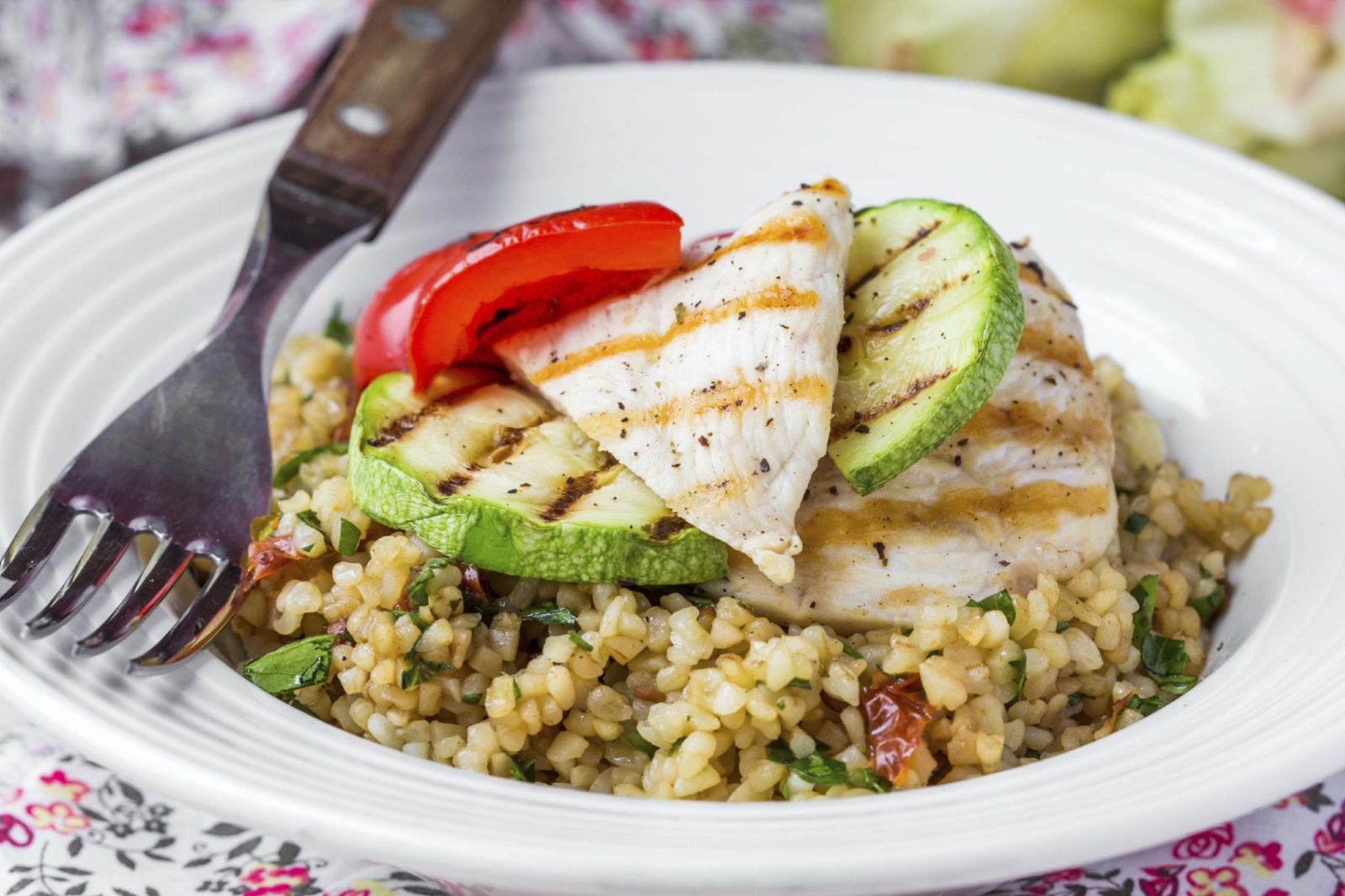
Whole grains may improve several heart risk factors at once

Light exposure at night may raise risk for heart disease

Children of centenarians may stay healthier and live longer too, study finds

A lumbar belt may help ease low back pain

Signs of pneumonia: Sometimes vague and unexpected

Using a vibration plate: What it can — and can't — do for your body

The surprising link between ovarian cancer and the fallopian tubes

People who walk more or walk faster live longer, study finds

Rosacea treatments: What works?

For sleep apnea, a dental device may be as effective as CPAP
Diet and nutrition Archive
Articles

The trouble with excess salt
Sodium doesn't affect everyone equally, but there's good reason to stick to moderate amounts in your diet.
On average, Americans eat too much salt — more than a teaspoon and a half a day. Most often it doesn't come out of a shaker, but is hidden in the foods you eat. But is it really bad for your heart to eat too much, or is that just a concern for people with certain risk factors? There's been some debate on this topic, even among members of the scientific community. We asked Nancy Cook, a professor of medicine at Harvard Medical School, for her thoughts on salt — or more precisely, sodium, a mineral that makes up 40% of salt — and how it affects your health and your heart.
Is salt really bad for your heart?
"There is a fairly undisputed effect of sodium on blood pressure," says Cook. The effect is stronger in people with high blood pressure (hypertension), a sustained blood pressure reading of 120/80 or higher. The data for an effect on cardiovascular disease are somewhat more controversial, she says, but in general, the bulk of research does seem to link lower sodium intake with both lower blood pressure and a lower risk of cardiovascular disease.
Don't give up on grains
Whole grains contain fiber and nutrients that can help your health.
It's a low-carb world, and many people are pushing grains off their plate in an effort to control their waistline. But they may be doing their body a disservice. Whole grains have some unique properties that make them a valuable addition to the diet. Not only do they contain a host of nutrients, such as iron, B vitamins, copper, zinc, and magnesium, but studies have linked diets rich in whole grains to a lower risk of colon cancer, which is a growing health threat for many younger Americans.
"The main benefit of whole cereal grains, such as wheat, oats, and barley, is in the fiber," says Teresa Fung, adjunct professor in the Department of Nutrition at the Harvard T.H. Chan School of Public Health. "Cereal fiber is different from vegetable fiber or bean fiber."

Is your lunch lacking?
Research we're watching
If the contents of your lunch bag are looking less than wholesome, you're not alone. A survey sponsored by the American Heart Association found that more than half of Americans who eat lunch at work reported that their midday meal often falls short when it comes to good nutrition. In addition, 91% of those surveyed said they would be interested in making healthier lunch choices. So, what's making people choose less healthful lunch options? Top reasons included the convenience of unhealthy foods (cited by 60% of respondents), taste (54%), and a lack of healthy food options (cited by 43%). If you're looking to improve your own lunch quality, the American Heart Association offers some tips on its website at www.heart.org/healthyforlife.
Image: portishead1/Getty Images
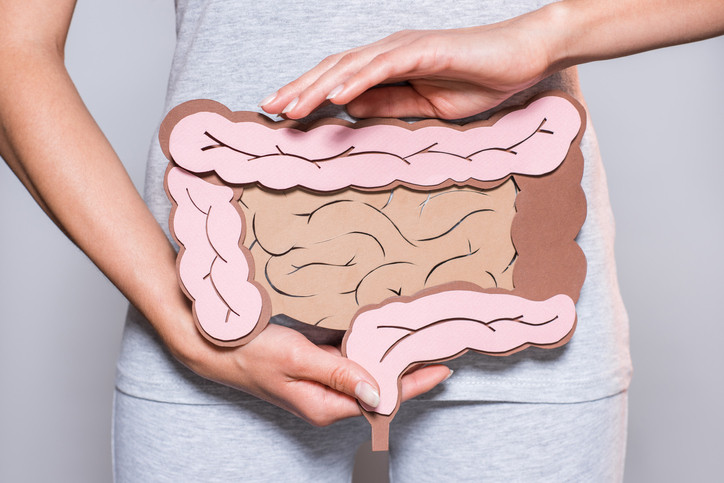
Feeling gassy — is it ever a cause for concern?
Intestinal gas can be embarrassing, but is a normal part of digestion. Only rarely is excess gas cause for concern. Which foods you eat –– and how you digest them –– can make a difference.

Avoiding nuts and seeds for better gut health? You shouldn’t
Nuts and seeds are rich in fiber, which is important for gut health and keeping you regular. And, contrary to a common concern, no evidence links eating nuts and seeds to a painful gut infection called diverticulitis.

Legume of the month: Soybeans
Unlike many other common bean varieties, soybeans don't usually show up in canned or dried forms on super-market shelves. But other versions of this versatile legume can be found in many sections of well-stocked stores.
In the freezer section, for example, you can find packaged green soybeans, usually still in their pods (pictured above). Called edamame — a Japanese word meaning "stem beans" — they're commonly served as an appetizer in Asian restaurants. Squeeze the pods to pop out the bright green beans, which are good source of fiber and several vitamins, most notably B9 (folate) and K. Soybeans are a complete protein, meaning they contain all nine essential amino acids.

Ultra-processed foods linked to poor heart health
Research we're watching
Eating ultra-processed foods — such as packaged snacks, sugary cereals and drinks, chicken nuggets, and instant soup — may leave people more prone to heart disease and an early death, two new studies suggest. Both were published May 29 in The BMJ.
One study followed more than 105,000 adults for just over five years. Researchers found that for every 10% increase in the amount of ultra-processed foods people ate, their risk of a heart attack, stroke, or other serious cardiovascular event was 12% higher. The other study tracked nearly 20,000 people over an average of 10 years. People who ate more than four servings of ultra-processed foods daily had a 62% higher risk of dying from all causes compared with those who ate only two servings per day.
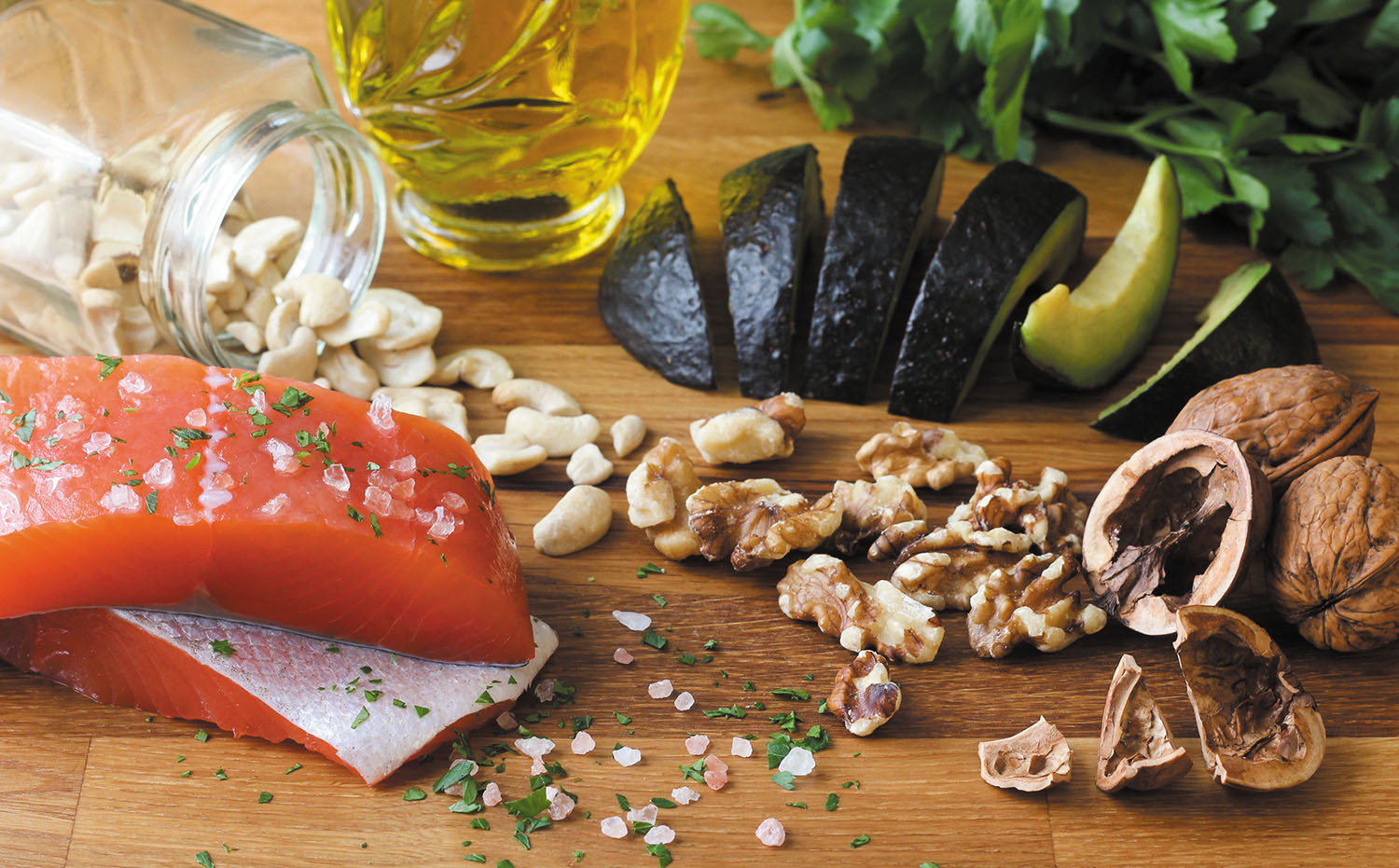
How to adopt a Mediterranean diet
This approach to eating has numerous health benefits. What's the best way to follow it?
For years, the Mediterranean diet has been touted for its heart- and cancer-fighting abilities, and countless studies have backed up its reputation as one of the world's healthiest eating patterns.
So what is the best way to begin eating the Mediterranean way? Approach it as a lifestyle and not a structured, rules-oriented diet, suggests Dr. Qi Sun, associate professor in the Department of Nutrition at Harvard's T.H. Chan School of Public Health.

White meat raises “bad” cholesterol levels just like red meat
In the journals
Eating large amounts of red meat can raise LDL (bad) cholesterol levels, but new research suggests you should curb your intake of white meat, too. The findings were published online June 4, 2019, by The American Journal of Clinical Nutrition.
Researchers randomly assigned 113 healthy adults, ages 21 to 65, to follow a four-week diet with high levels of either red meat, white meat (chicken and turkey), or plant-based protein (such as nuts, whole grains, soy products, and legumes). Afterward, LDL levels in the high-red-meat diet group rose, as predicted, but the researchers found that high levels of poultry had the same effect on LDL levels as red meat.

Food ingredients under the microscope
At least one additive — a preservative called propionate — could be linked to diabetes and obesity.
Scientists are giving food additives and other ingredients more scrutiny these days, thanks to new technology that allows them to get an up-close view of how individual molecules affect the body. And they are already discovering some surprising information that could change what you put on your plate in the future.
Consider propionate, or propionic acid, a naturally oc-curring fatty acid and a common preservative found in everything from bread and animal feeds to pudding and cheese. A study published online April 24 by Science Translational Medicine found that this ingredient may disrupt the metabolism, triggering the body to produce excess glucose (blood sugar), which could lead to diabetes and obesity.
Whole grains may improve several heart risk factors at once
Light exposure at night may raise risk for heart disease
Children of centenarians may stay healthier and live longer too, study finds
A lumbar belt may help ease low back pain
Signs of pneumonia: Sometimes vague and unexpected
Using a vibration plate: What it can — and can't — do for your body
The surprising link between ovarian cancer and the fallopian tubes
People who walk more or walk faster live longer, study finds
Rosacea treatments: What works?
For sleep apnea, a dental device may be as effective as CPAP
Free Healthbeat Signup
Get the latest in health news delivered to your inbox!
Sign Up