








Eating more soy and other legumes might ward off high blood pressure
News briefs
- Reviewed by Robert H. Shmerling, MD, Senior Faculty Editor, Harvard Health Publishing; Editorial Advisory Board Member, Harvard Health Publishing
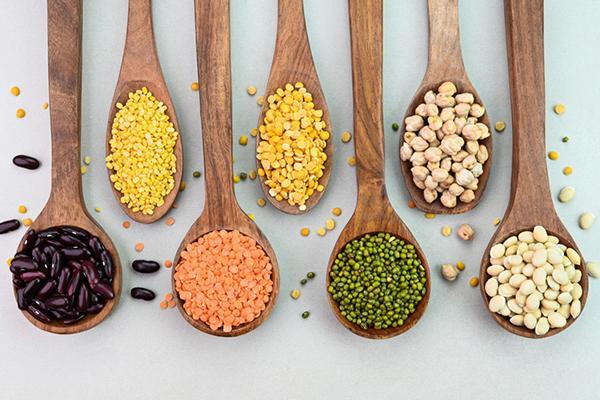
Enjoy beans, peas, tofu, or edamame? Now there’s another reason to reach for them: consuming more soy products and other legumes is linked to a lower risk of developing high blood pressure, according to an analysis published online May 7, 2026, by BMJ Nutrition, Prevention, and Health.
Commonly defined as a consistent reading of 130/80 millimeters of mercury or higher, high blood pressure (also known as hypertension) affects nearly half of American adults. Earlier research indicated that legumes (or soy specifically) might lower the risk of cardiovascular disease, but scientists wanted to learn if these foods might contribute to healthier blood pressure as well. The researchers examined data from 12 studies that included tens of thousands of participants both with and without high blood pressure.
After comparing data about how much soy and other legumes participants consumed, they learned that those with a high intake of legumes — about 170 grams a day, the equivalent of 1.7 cups — were 16% less likely to develop high blood pressure than participants eating the lowest amounts. Similarly, consuming 60 to 80 grams daily of soy foods specifically (about a half-cup) was associated with a 19% lower risk of high blood pressure compared with eating much smaller amounts. The evidence suggested a dose-response relationship, meaning the more of these foods participants consumed (within a reasonable range), the lower their hypertension risk.
In addition to beans and peas, other popular legumes include chickpeas and lentils. Soy products include not only tofu and edamame, but also soy milk, tempeh, and miso.
Image: © jayk7/Getty Images
About the Author

Maureen Salamon, Executive Editor, Harvard Women's Health Watch
About the Reviewer

Robert H. Shmerling, MD, Senior Faculty Editor, Harvard Health Publishing; Editorial Advisory Board Member, Harvard Health Publishing
Disclaimer:
As a service to our readers, Harvard Health Publishing provides access to our library of archived content. Please note the date of last review or update on all articles.
No content on this site, regardless of date, should ever be used as a substitute for direct medical advice from your doctor or other qualified clinician.