

Whole grains may improve several heart risk factors at once

Light exposure at night may raise risk for heart disease

Children of centenarians may stay healthier and live longer too, study finds

A lumbar belt may help ease low back pain

Signs of pneumonia: Sometimes vague and unexpected

Using a vibration plate: What it can — and can't — do for your body

The surprising link between ovarian cancer and the fallopian tubes

People who walk more or walk faster live longer, study finds

Rosacea treatments: What works?

For sleep apnea, a dental device may be as effective as CPAP
Diet and nutrition Archive
Articles

What’s the beef with red meat?
A recent study suggested that eating red or processed meats won't necessarily harm your health. What is the truth?
The news headlines were everywhere: "It's Okay to Eat Red Meat." The source for this statement was a study published online Oct. 1, 2019, in Annals of Internal Medicine.
An international team of researchers conducted five systematic reviews that looked at the effects of red meat and processed meat on multiple health issues, such as heart disease, cancer, diabetes, and premature death.

Rural health risks?
Research we're watching
People living in rural areas of the country appear to be more likely to die from preventable causes compared with people in more urban locations, says a CDC report. The report looked at deaths from 2010 to 2017 and found that people in rural locations were more likely to die from preventable conditions, including cancers and heart and respiratory diseases. In 2010, about 29% of cancer deaths in rural areas were potentially preventable, compared with 18% of cancer deaths in urban areas. In addition, 45% of heart disease deaths in rural locations were deemed preventable, compared with 24% of heart disease deaths in urban areas. The authors suggested several strategies to reduce disparities, including better screening programs and initiatives to encourage better eating and exercise habits, as well as smoking cessation.
Image: shaunl/Getty Images

Calcium and vitamin D supplements: Good, bad, or neutral for cardiovascular health?
For these popular pills, the evidence has been mixed. Here's advice about getting the recommended amounts of both nutrients.
In the body, calcium and vitamin D work together to build and maintain healthy bones. Many adults (especially women) take these two nutrients in supplement form, hoping to stave off osteoporosis, the bone-weakening disease that leaves older people prone to fractures. But how do these supplements affect cardiovascular health?
The answer is a bit complicated. Here are the key points, with additional context and advice below:
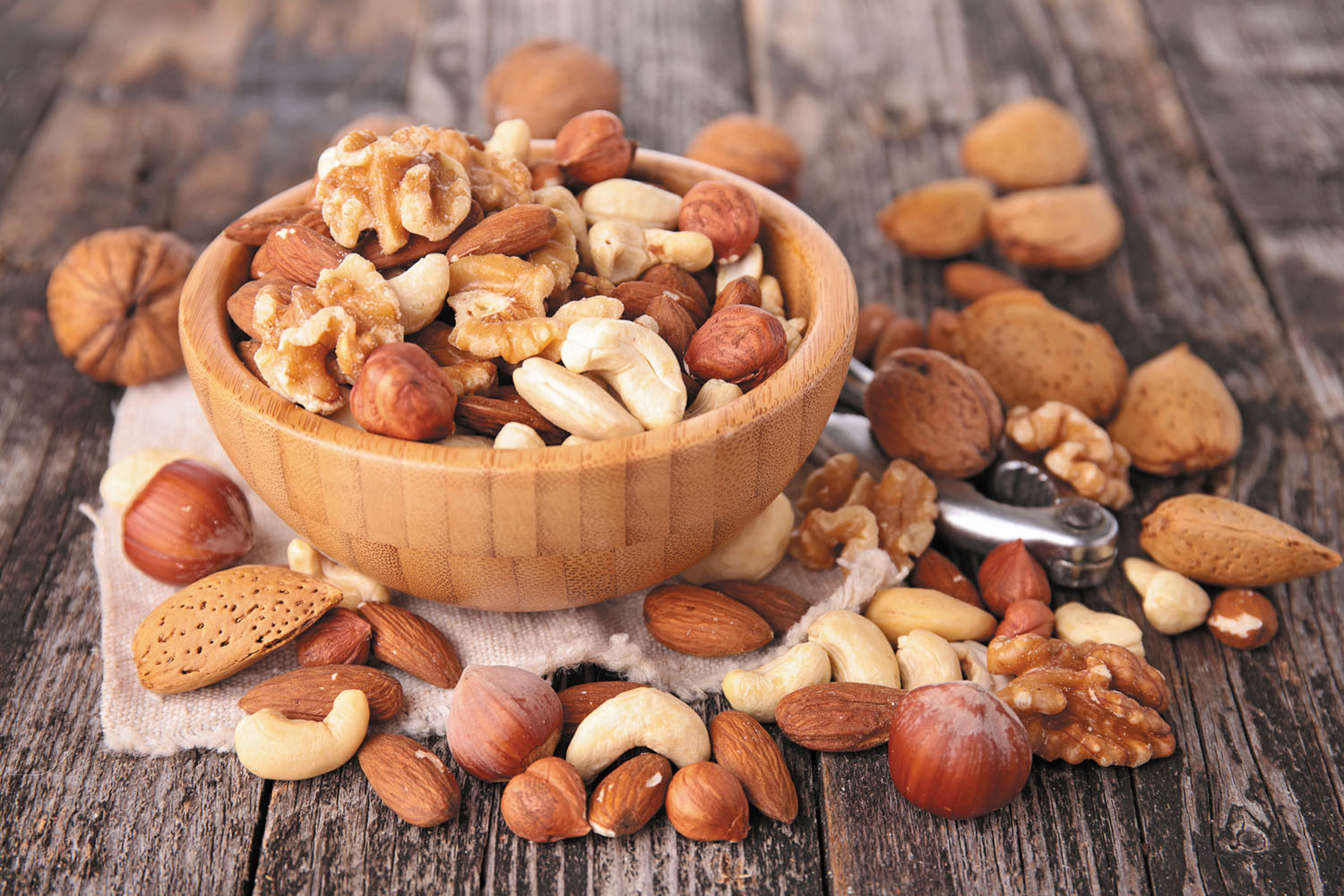
Eating nuts: A strategy for weight control?
News briefs
Nuts are rich in healthy fat and calories, so you may not think of them as tools for weight control. But nuts may actually help in the battle of the bulge, suggests a Harvard study published online Sept. 23, 2019, by BMJ Nutrition, Prevention, and Health. Researchers analyzed questionnaire responses on dietary habits, physical activity, and weight changes from about 145,000 middle-aged and older men and women. People who went from never eating nuts to eating a daily average of at least half a serving (about half a handful) were 16% less likely to become obese over a four-year period compared with people who didn't eat nuts at all. Substituting a half serving of nuts per day for red meat, processed meat, French fries, desserts, or potato chips was also associated with less weight gain. "Nuts have protein and fiber which help us feel full longer and offset cravings for junk food. Although nuts are high in calories, up to 20% of calories from nut consumption will be excreted from our body," says Dr. Xiaoran Liu, one of the study authors and a research associate with the Harvard T.H. Chan School of Public Health.
Image: margouillatphotos/Getty Images



Menopause and insomnia: Could a low-GI diet help?
Researchers examining dietary data from over 50,000 postmenopausal women found that women who ate foods with a higher glycemic index, and foods with more added sugars, were more likely to have insomnia.

What parents need to know about a vegan diet

An omnivore's dilemma: How much red meat is too much?

The difference a healthy diet can make
Eating more unprocessed, plant-based foods is one of the best ways you can protect your heart.
What do you usually eat for breakfast? How about for lunch and dinner? These questions are standard fare during a consultation with Dr. Ron Blankstein, a preventive cardiologist at Harvard-affiliated Brigham and Women's Hospital. The answers help him tailor the dietary advice he gives, which can have a profound effect on the future health of his patients' hearts.
"Most people really aren't aware of the importance of a healthy diet, or they're confused about what they should be eating," says Dr. Blankstein. About five years ago, he revamped his own diet to follow what the current evidence suggests is the best way to avoid heart disease: a whole-food, plant-based style of eating. "I find that when I tell my patients I follow this diet myself, they're far more likely to buy into it," he says. (For an idea of what he typically eats, see "A day of plant-based meals.")
Whole grains may improve several heart risk factors at once
Light exposure at night may raise risk for heart disease
Children of centenarians may stay healthier and live longer too, study finds
A lumbar belt may help ease low back pain
Signs of pneumonia: Sometimes vague and unexpected
Using a vibration plate: What it can — and can't — do for your body
The surprising link between ovarian cancer and the fallopian tubes
People who walk more or walk faster live longer, study finds
Rosacea treatments: What works?
For sleep apnea, a dental device may be as effective as CPAP
Free Healthbeat Signup
Get the latest in health news delivered to your inbox!
Sign Up
