

Whole grains may improve several heart risk factors at once

Light exposure at night may raise risk for heart disease

Children of centenarians may stay healthier and live longer too, study finds

A lumbar belt may help ease low back pain

Signs of pneumonia: Sometimes vague and unexpected

Using a vibration plate: What it can — and can't — do for your body

The surprising link between ovarian cancer and the fallopian tubes

People who walk more or walk faster live longer, study finds

Rosacea treatments: What works?

For sleep apnea, a dental device may be as effective as CPAP
Diet and nutrition Archive
Articles

Can scheduled fasting improve your health?
The practice, known as intermittent fasting, has shown numerous health benefits and is easy for most healthy individuals to adopt.
Contrary to longstanding advice (and what you may have heard from your mother), a growing body of evidence shows that skipping meals may actually be good for your health.
Intermittent fasting — the practice of going for set periods of time without eating — is increasingly gaining acceptance among experts.

Seed of the month: Sunflower
Sunflower seeds, which are harvested from the centers of large, yellow-petaled flowers, have a long and interesting history. Native American Indians cultivated sunflowers some 8,000 years ago, using the seeds to make meal for bread.
Today, farmers grow two main types of sunflowers. Those with solid black hulls have extra-oily seeds, which are pressed into sunflower oil or used in bird feeders. Those with black-and-white-striped hulls are used in food. In the late 1960s, chewing a mouthful to extract the small seeds became popular among baseball players, allegedly as a substitute for chewing tobacco. In the 1970s, hulled sunflower seeds gained a following among vegetarians and natural-food enthusiasts.



Eating can cause low blood pressure
Postprandial hypotension, low blood pressure that occurs after eating, can cause dizziness, chest pain, nausea, or other issues, particularly in the elderly.

How to lower your cholesterol without drugs
Trans fats and saturated fats can raise LDL cholesterol levels. A diet rich in unsaturated fats, whole grains, and fruits and vegetables can lower them.
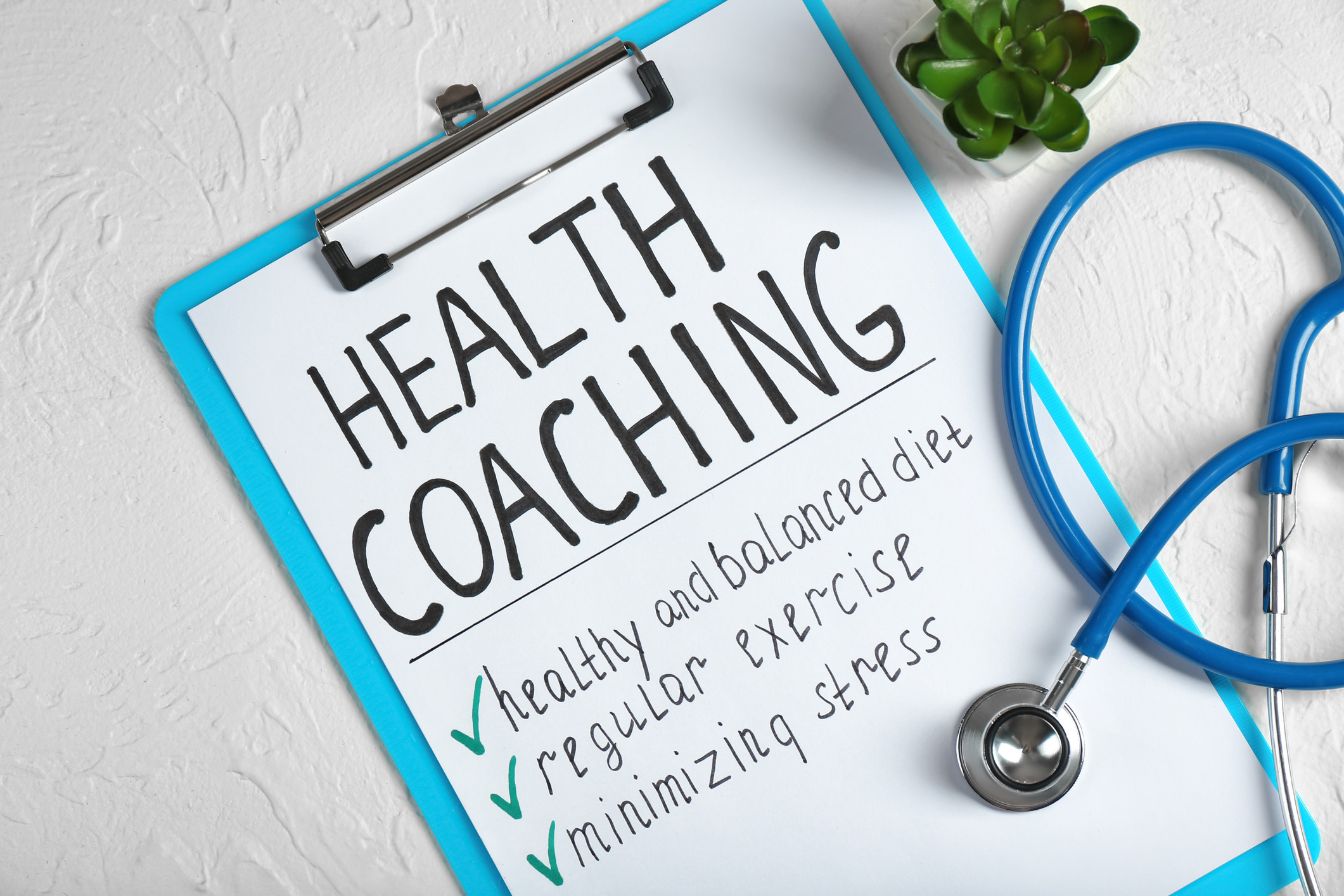
Health coaching is effective. Should you try it?
The growing field of health and wellness coaching uses motivational techniques and positive psychology to offer people individualized support as they work to achieve their health goals.

Eating during COVID-19: Improve your mood and lower stress
Staying at home during the COVID-19 pandemic is challenging for everyone, and the increased anxiety (and boredom) can cause people to abandon their healthy eating intentions and snack on whatever is around. But with a little thought and planning, you can continue to make good food choices and maybe even boost your mood and immunity.

The dairy dilemma
How much dairy should you consume each day? And are some dairy products or milk alternatives better for heart health than others?
These days, the supermarket dairy aisle can be tricky to navigate. Along with the nonfat, 2%, and full-fat cow's milk lining the refrigerated shelves, you'll often find a dizzying array of plant-based milk alternatives made from different nuts, beans, and grains. Even the yogurt and cheese sections now feature nondairy products, such as coconut yogurt and cashew cheese.
The expanded choices reflect the growing trend toward plant-based diets, which people embrace for a range of reasons. Some people minimize or avoid meat, dairy, and other animal-based foods because of religious reasons or concerns about environmental sustainability or animal welfare. People who are focused mainly on a heart-healthy diet know to steer clear of red and processed meat. But when it comes to dairy products, the story isn't quite as straightforward.

Healthy habits mean more disease-free years
News briefs
You've heard (in these pages, and others) that a healthy lifestyle can stave off chronic disease. But just how many extra disease-free years might you get from that healthy lifestyle? A lot, suggests an observational Harvard-led study published online Jan. 8, 2020, by The BMJ. Researchers evaluated more than 30 years' worth of health data from 111,000 people who were free of cancer, diabetes, and cardiovascular disease at age 50. Compared with those who didn't follow any healthy lifestyle habits, those who followed four or five healthy habits had an additional decade of disease-free living. The elements of a healthy lifestyle will come as no surprise: don't smoke, limit alcohol intake, eat a healthy diet, maintain a healthy weight, and exercise at least 30 minutes per day. The surprise is just how many additional disease-free years a healthy lifestyle can give you.
Image: © Ridofranz/Getty Images
Whole grains may improve several heart risk factors at once
Light exposure at night may raise risk for heart disease
Children of centenarians may stay healthier and live longer too, study finds
A lumbar belt may help ease low back pain
Signs of pneumonia: Sometimes vague and unexpected
Using a vibration plate: What it can — and can't — do for your body
The surprising link between ovarian cancer and the fallopian tubes
People who walk more or walk faster live longer, study finds
Rosacea treatments: What works?
For sleep apnea, a dental device may be as effective as CPAP
Free Healthbeat Signup
Get the latest in health news delivered to your inbox!
Sign Up
