

Whole grains may improve several heart risk factors at once

Light exposure at night may raise risk for heart disease

Children of centenarians may stay healthier and live longer too, study finds

A lumbar belt may help ease low back pain

Signs of pneumonia: Sometimes vague and unexpected

Using a vibration plate: What it can — and can't — do for your body

The surprising link between ovarian cancer and the fallopian tubes

People who walk more or walk faster live longer, study finds

Rosacea treatments: What works?

For sleep apnea, a dental device may be as effective as CPAP
Diet and nutrition Archive
Articles

5 Internet recommendations for joint pain: Do they work?
Some ideas seem reasonable, but that doesn't mean they'll help.
People increasingly consult the Internet about medical problems. If you're looking for approaches to relieve joint pain and inflammation caused by wear and tear (osteoarthritis) or an immune system attack (such as occurs in rheumatoid arthritis), you may find methods that sound promising and even sensible. But will they work? Here's advice on five pain relief methods commonly touted on the Internet.
1. Music therapy
Listening to music can evoke powerful emotions that help people relax or heal, which is the basis of music therapy. Research has found that music therapy is associated with less anxiety before surgery or during chemotherapy, and better functioning during physical rehabilitation.

High intake of berries, apples, and tea linked to lower dementia risk
News briefs
Plants are loaded with naturally occurring chemicals that appear to help health. And high, long-term intakes of certain kinds of plant chemicals called flavonoids are associated with a reduced risk for developing dementia, according to a study published online April 22, 2020, by The American Journal of Clinical Nutrition. Researchers evaluated the health information of 2,800 dementia-free people (average age 59) who periodically underwent physical exams, had lab tests, and answered diet questionnaires. After 20 years, people who had reported the highest flavonoid intake were about 40% less likely to develop dementia, compared with people who'd reported the lowest intake. There are many different types of flavonoids; those with the greatest link to lower dementia risk came from tea, apples, pears, blueberries, and strawberries. A high intake was about the same as having 7.5 cups of berries, eight apples or pears, and 19 cups of tea per month. A low intake was about the same as having no berries or tea and less than two apples per month. The study was observational and doesn't prove that high flavonoid intake protected people from developing dementia. But researchers say other evidence suggests flavonoids may ward off brain inflammation and protect brain cells.
Image: © Slava Olshevskaya/Getty Images

Grain of the month: Barley
You may be familiar with the claims featured on packages of old-fashioned oatmeal, which note that "As part of a heart-healthy diet, the soluble fiber in oatmeal can help reduce cholesterol." Guess what? Back in 2008, the FDA also approved the equivalent health claim for barley products.
In fact, barley contains about three times as much fiber per serving as oats. Barley is particularly rich in a type of soluble fiber known as beta glucan, which is recognized for its cholesterol-lowering abilities. Barley is also a good or excellent source of several vitamins and minerals.
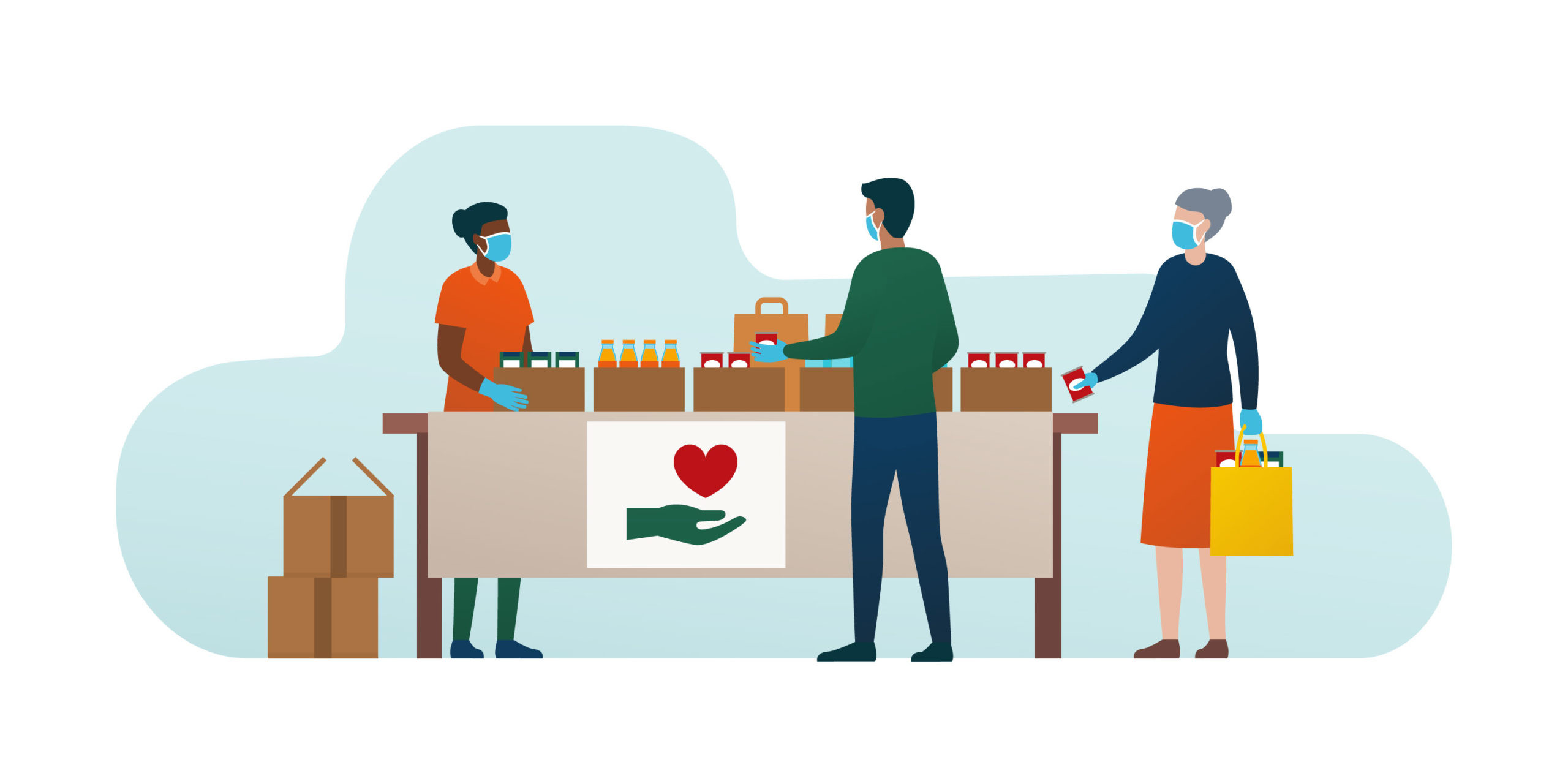
Envisioning food security: Steps we take now can help
Along with historically high unemployment rates, the COVID-19 pandemic has caused a significant increase in food insecurity for millions of Americans, and this problem disproportionately affects lower-income people and racial and ethnic minorities. Temporary measures have helped a bit to ease the situation, and new proposals could do more.


Can a high-fiber diet reduce your risk of breast cancer?
Research we're watching
Your diet may influence your breast cancer risk. An analysis of 20 studies by researchers from the Harvard T.H. Chan School of Public Health, which was published online April 6, 2020, by the journal Cancer, found that women who ate the most fiber were 8% less likely to go on to develop breast cancer compared with the women who ate the least.
The reduction in breast cancer risk was seen for both premenopausal and postmenopausal breast cancers, as well as different types of breast cancer, including those that were estrogen and progesterone receptor–positive and estrogen and progesterone receptor–negative. Researchers from the Harvard T.H. Chan School of Public Health said that that the reduction may be due to fiber's effect in reducing both blood sugar and estrogen levels in the body.

The no-drug approach to erectile dysfunction
There are ways to manage ED without medication.
Erectile dysfunction (ED) is one of the more common health issues older men face, especially those with cardiovascular disease and diabetes. Some estimates suggest between 50% and 70% of men ages 50 to 70 experience mild to moderate ED.
ED is defined as difficulty achieving or sustaining an erection. It is often caused by a combination of physical and emotional issues. ED makes intercourse difficult, which can lower sex drive and desire, increase anxiety and depression, and affect a man's relationship with his partner.

Seed of the month: Chia seeds
Ten years ago, the Harvard Heart Letter published a story about the potential health benefits of chia seeds. At the time, people were more familiar with the ceramic figures known as Chia Pets (see www.chia.com) than the idea of chia seeds as a health food. But today, you can find these nutritious seeds in major grocery stores, sold in packages or in products such as crackers, cereals, energy bars, and beverages.
The small, black seeds are among the richest plant sources of the omega-3 fatty acid known as alpha-linolenic acid (ALA). Diets high in ALA have been linked to a lower risk of heart disease. Chia seeds are also high in insoluble fiber, which may help lower harmful LDL cholesterol levels.

Boning up on osteoporosis
Men need to manage their bone health as much as women do.
Most people think of osteoporosis as a women-only health problem, but older men also need protection from this bone-weakening disease.
About one in four men older than 50 will break a bone because of osteoporosis during his lifetime, according to the National Osteoporosis Foundation. And research has found that compared with women, older men are more likely to die following a fracture related to osteoporosis.

Cracking coconut oil’s "health halo"
Research we're watching
Thanks to marketing strategies that tout coconut oil as healthy, many people consider this solid, white fat a health food. But a new analysis confirms what nutrition experts have said for years: Coconut oil raises harmful LDL cholesterol (a well-known contributor to heart disease) much more than other vegetable oils.
The study, published online March 10, 2020, by the journal Circulation, pooled findings from 16 trials involving a total of 730 people. Most of the trials lasted one to two months and compared coconut oil consumption with that of other fats, including other vegetable oils such as soybean, safflower, canola, and olive oils. Compared with these vegetable oils, coconut oil raised LDL cholesterol by 10 points, on average. An editorial accompanying the study states "In culinary practice, coconut oil should not be used as a regular cooking oil, although it can be used sparingly for flavor or texture."
Whole grains may improve several heart risk factors at once
Light exposure at night may raise risk for heart disease
Children of centenarians may stay healthier and live longer too, study finds
A lumbar belt may help ease low back pain
Signs of pneumonia: Sometimes vague and unexpected
Using a vibration plate: What it can — and can't — do for your body
The surprising link between ovarian cancer and the fallopian tubes
People who walk more or walk faster live longer, study finds
Rosacea treatments: What works?
For sleep apnea, a dental device may be as effective as CPAP
Free Healthbeat Signup
Get the latest in health news delivered to your inbox!
Sign Up
