

Whole grains may improve several heart risk factors at once

Light exposure at night may raise risk for heart disease

Children of centenarians may stay healthier and live longer too, study finds

A lumbar belt may help ease low back pain

Signs of pneumonia: Sometimes vague and unexpected

Using a vibration plate: What it can — and can't — do for your body

The surprising link between ovarian cancer and the fallopian tubes

People who walk more or walk faster live longer, study finds

Rosacea treatments: What works?

For sleep apnea, a dental device may be as effective as CPAP
Diet and nutrition Archive
Articles

What’s the healthiest way to brew coffee?
News briefs
Drinking coffee is linked to many health benefits, such as less weight gain, lower average daily blood pressure, and a reduced risk for diabetes and cardiovascular disease. But which brewing method will help you get the most from your cup? A study published online April 22, 2020, by the European Journal of Preventive Cardiology found that filtering coffee (for example, with a paper filter) — not just boiling ground coffee beans and drinking the water — was better for health, particularly for older people. Researchers analyzed the survey responses of more than 500,000 healthy coffee drinkers (ages 20 to 79) who were followed for about 20 years. People younger than 60 who drank one to four cups of coffee, particularly filtered coffee, had lower rates of artery disease and death. The lower rate of death with filtered coffee drinkers persisted in people ages 60 or older, but was lost in people who drank five or more cups per day. The study is observational and doesn't prove that filtered coffee is healthier than unfiltered coffee, but it makes sense. Unfiltered coffee contains diterpenes, compounds that can raise cholesterol, and researchers say a cup of unfiltered coffee contains 30 times more diterpenes than a cup of filtered coffee. So use that coffee filter, save the French press or Turkish unfiltered coffee for rare occasions, and consider limiting your coffee intake to less than five cups per day, on average.
Image: © Ohoho/Getty Images

Grapefruit juice and statins
Q: I've heard that people shouldn't drink grapefruit juice if they're taking a statin. Why?
A: Certain classes of drugs — most notably statins — are metabolized (broken down) in your intestines by an enzyme called CYP3A, which normally reduces the amount of drug that enters your bloodstream. Grapefruit juice contains compounds called furanocoumarins that stop CYP3A from doing its job. As a result, more of the drug is absorbed, making it more powerful than it's meant to be — even toxic in some cases.

How to stock a plant-based pantry (and fridge) on a budget
Given the economic stresses stemming from the current pandemic situation, many of us are trying to maintain healthy eating habits while also spending less. Adjusting your food purchases to include more plant-based choices can help your health and your budget.
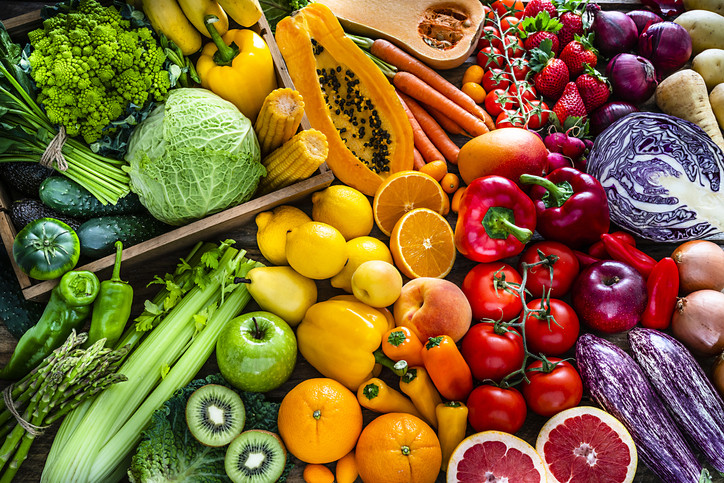
Better heart health in eight weeks? Double down on fruits and veggies
Want to improve heart health? New research based on blood samples from the original DASH diet shows the DASH diet and another diet high in fruits and veggies can lower measures of heart strain and heart muscle damage within eight weeks.

Seed of the month: Quinoa
Although quinoa (pronounced KEEN-wah) is officially classified as a seed, most people think of it as a whole grain. Quinoa is usually boiled and eaten as a side dish or added to salads or soups. The small seeds come in a variety of colors, including white, yellow, red, and black.
Native to South America, quinoa became popular in this country over the past decade and is widely available in grocery stores, either packaged or in bulk bins. Quinoa's impressive nutrient profile has earned it a reputation as a "superfood." Unlike most plant proteins, quinoa is a complete protein, which means it contains all nine essential amino acids — the protein components that our bodies are unable to make on their own.

Vegetarian diet linked to lower stroke risk
Research we're watching
Eating a vegetarian diet may lower your risk of stroke, according to a study in the March 17 issue of Neurology.
The study included two groups of people from Buddhist communities in Taiwan, where vegetarian diets are encouraged. About 30% of the more than 130,000 participants were vegetarian, meaning they didn't eat any meat or fish. Their average age was 50, and none had a prior stroke.

10 healthy diet staples for your emergency food kit
Take this list to the grocery store when stocking up on supplies.
Social distancing, severe weather, a lack of transportation — each one can keep you from getting to a grocery store, leaving you with precious little to eat. When you're looking at a near-empty pantry with an oddball collection of remaining goods — like a lonely box of penne pasta or a random can of beans — it's a sign to prepare differently next time. Fortunately, it's not hard to create an emergency supply kit to hold you over until you can get to the store or have someone shop for you.
Important supplies
Lean on nonperishable items if you're worried about losing power, and add frozen foods if the bigger concern is not getting to a grocery store. Avoid convenience foods like frozen dinners and canned soups, which typically contain excessive amounts of salt, fat, calories, preservatives, and added sugars.
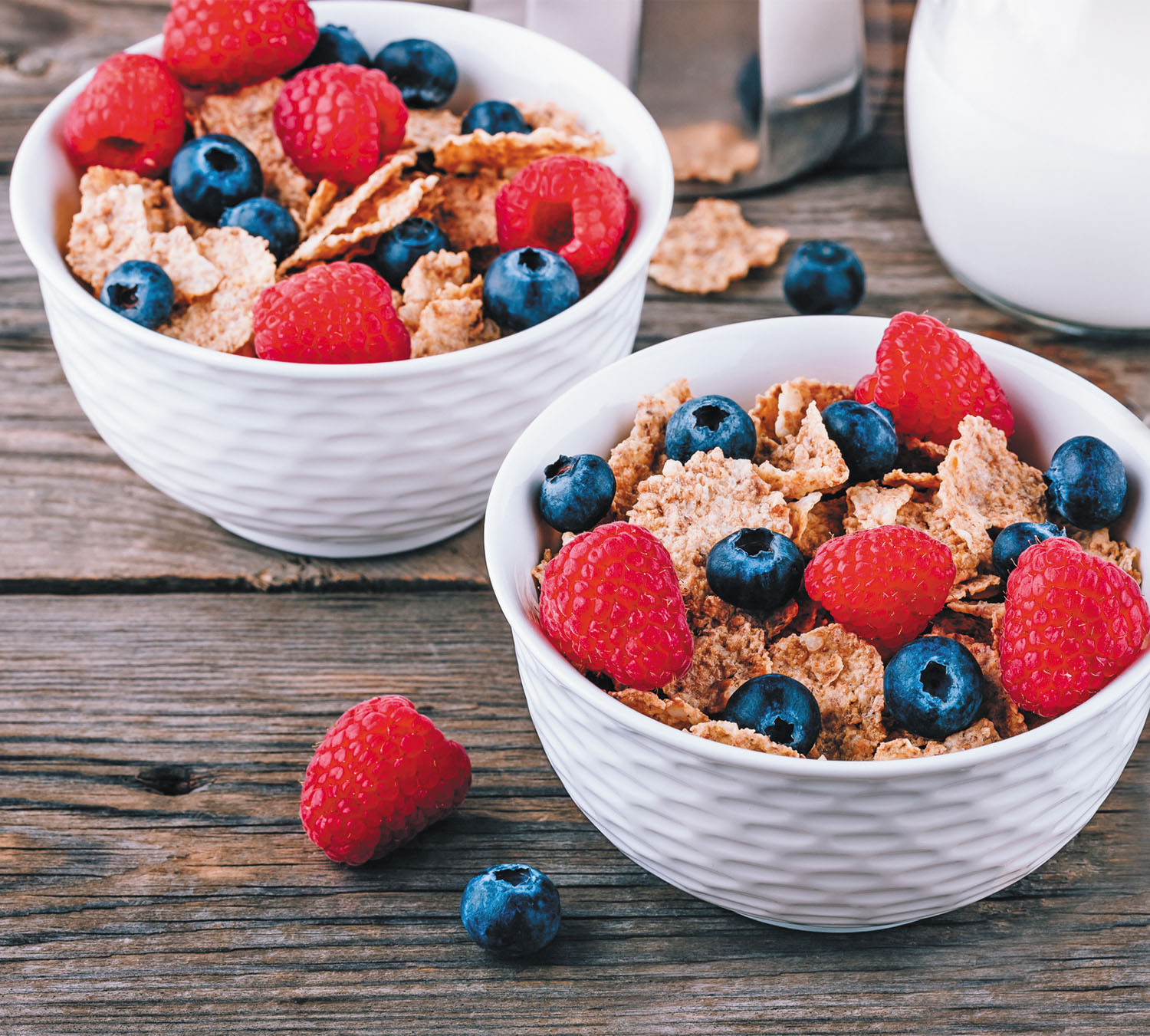
Crank up your fiber intake to manage blood sugar and diabetes
News briefs
Struggling with high blood sugar or diabetes? A study published online March 6, 2020, by PLOS Medicine suggests that increasing your daily fiber intake may help. British researchers combed through dozens of studies with about 10,000 participants who had prediabetes, gestational diabetes, type 1 diabetes, or type 2 diabetes. Compared with people who ate low-fiber diets (19 grams of fiber per day), people who ate another 16 grams of fiber per day (a total of 35 grams per day) weighed less and had lower levels of blood sugar, cholesterol, and inflammation. There were also 14 fewer deaths per 1,000 people among those who ate high-fiber diets. If you'd like to increase your fiber intake, try to eat more fiber-rich foods at each meal. Good sources include whole-grain cereals, legumes, and nuts. For example, a cup of bran cereal has up to 47 grams of fiber, depending on the brand; half a cup of white beans has about 10 grams of fiber; and an ounce of almonds has about 13 grams of fiber. Increase fiber intake slowly, to give your digestive tract time to adjust, and remember to increase your water intake as well.
Image: © wmaster890/Getty Images

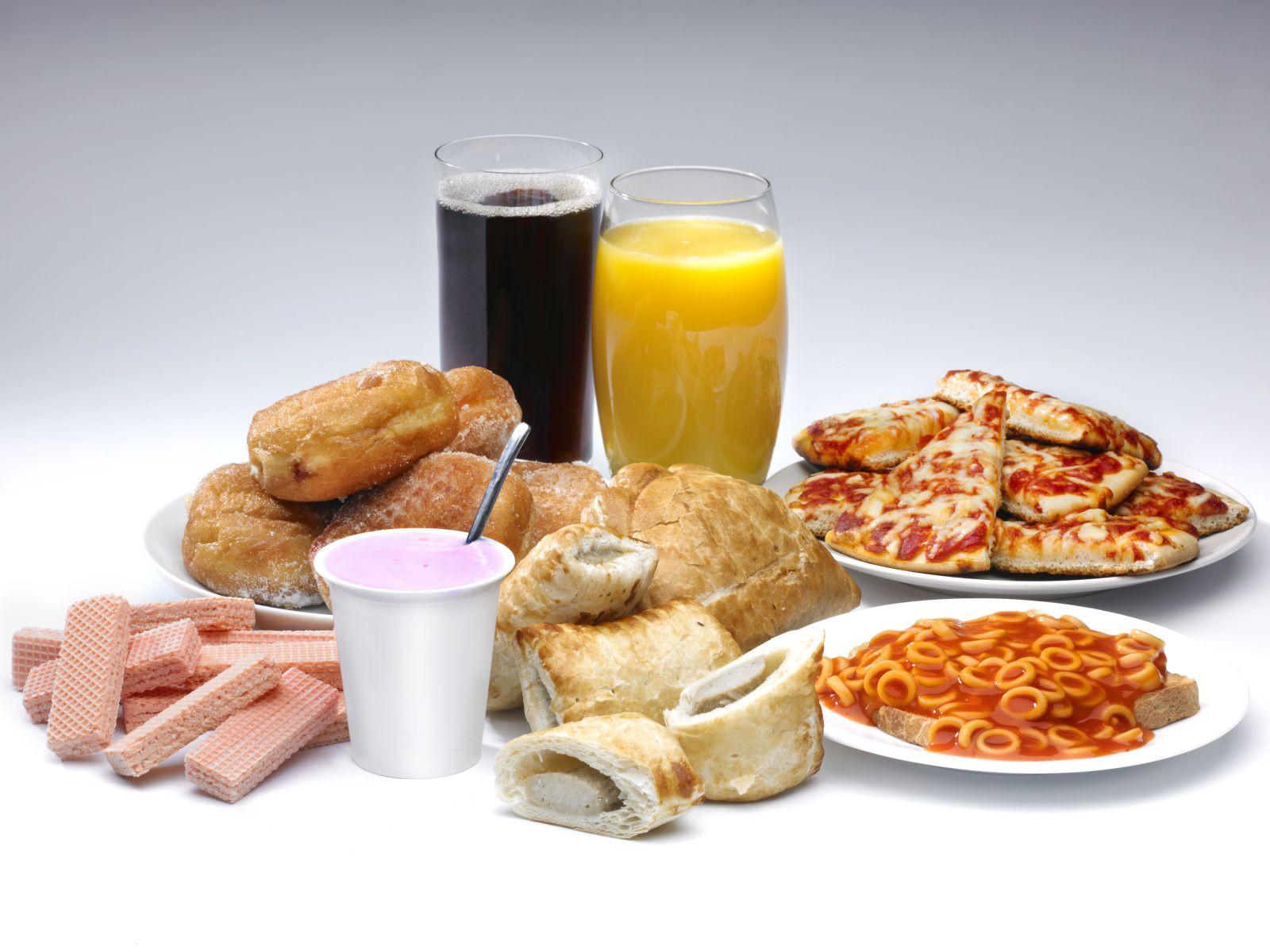
Whole grains may improve several heart risk factors at once
Light exposure at night may raise risk for heart disease
Children of centenarians may stay healthier and live longer too, study finds
A lumbar belt may help ease low back pain
Signs of pneumonia: Sometimes vague and unexpected
Using a vibration plate: What it can — and can't — do for your body
The surprising link between ovarian cancer and the fallopian tubes
People who walk more or walk faster live longer, study finds
Rosacea treatments: What works?
For sleep apnea, a dental device may be as effective as CPAP
Free Healthbeat Signup
Get the latest in health news delivered to your inbox!
Sign Up
