

Whole grains may improve several heart risk factors at once

Light exposure at night may raise risk for heart disease

Children of centenarians may stay healthier and live longer too, study finds

A lumbar belt may help ease low back pain

Signs of pneumonia: Sometimes vague and unexpected

Using a vibration plate: What it can — and can't — do for your body

The surprising link between ovarian cancer and the fallopian tubes

People who walk more or walk faster live longer, study finds

Rosacea treatments: What works?

For sleep apnea, a dental device may be as effective as CPAP
Cholesterol and lipids Archive
Articles
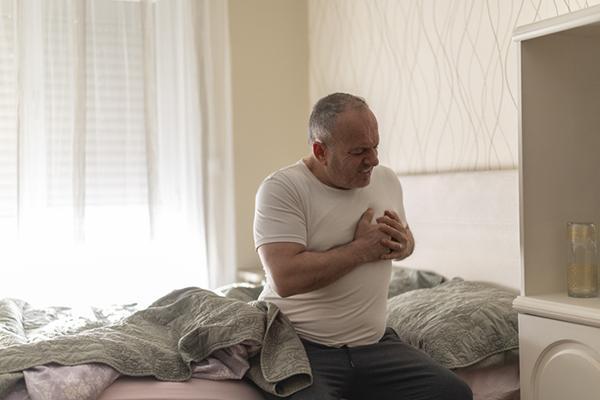
Why are heart attacks more common in the morning?
A number of physiological changes driven by the body’s internal clock help explain why heart attacks are more common in the morning. These changes include factors involved in blood pressure, blood clot formation, and inflammation.

Strategies for scaling back on salt
About 70% of the sodium in the American diet comes from processed, packaged, and restaurant foods. Checking labels and making smart swaps when shopping and dining out can help people consume less sodium and, perhaps, prevent cardiovascular disease and related deaths.
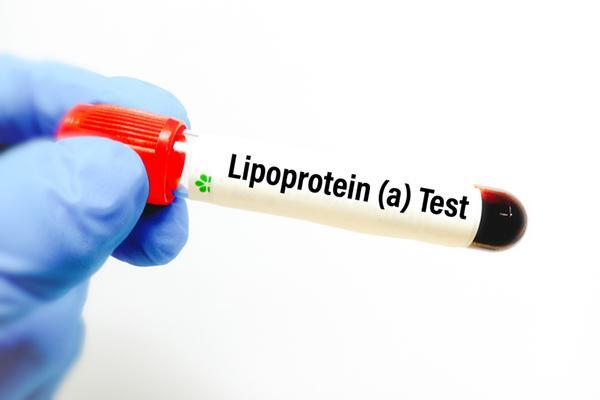
New cholesterol guidelines recommend Lp(a) blood test
All adults should get a lipoprotein(a) blood test at least once in their lifetime, according to the 2026 cholesterol guidelines. Also known as Lp(a), these fatty particles are similar to LDL (bad) cholesterol but more dangerous.
Higher fitness levels linked to lower risk of depression, dementia
People with higher levels of cardiorespiratory fitness were less likely to develop depression and dementia than those with low levels of cardiorespiratory fitness, according to a 2026 research review.
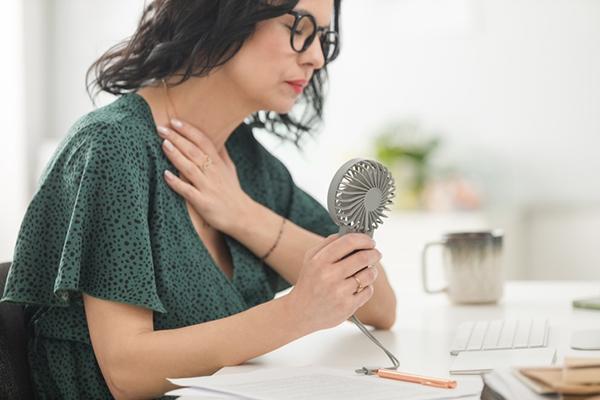
Premature menopause linked to higher lifetime risk of heart disease
Women who experience premature menopause (when menstrual periods end before age 40) have a 40% higher risk of heart attacks than women who experience menopause after age 40, according to a 2026 study.
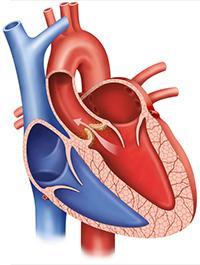
Heart-healthy habits over time linked to a lower risk of aortic stenosis
People who maintain or improve their heart-related risks over time are less likely to develop calcification of the aortic valve, which may lead to aortic stenosis.

Small upgrades to sleep, diet, and exercise may cut heart risk
Sleeping 11 additional minutes, doing an extra five minutes of moderate-to-vigorous physical activity, and eating just a quarter-cup more of vegetables each day was linked to a 10% reduction in heart attacks, strokes, and other serious heart problems, according to a 2026 study.
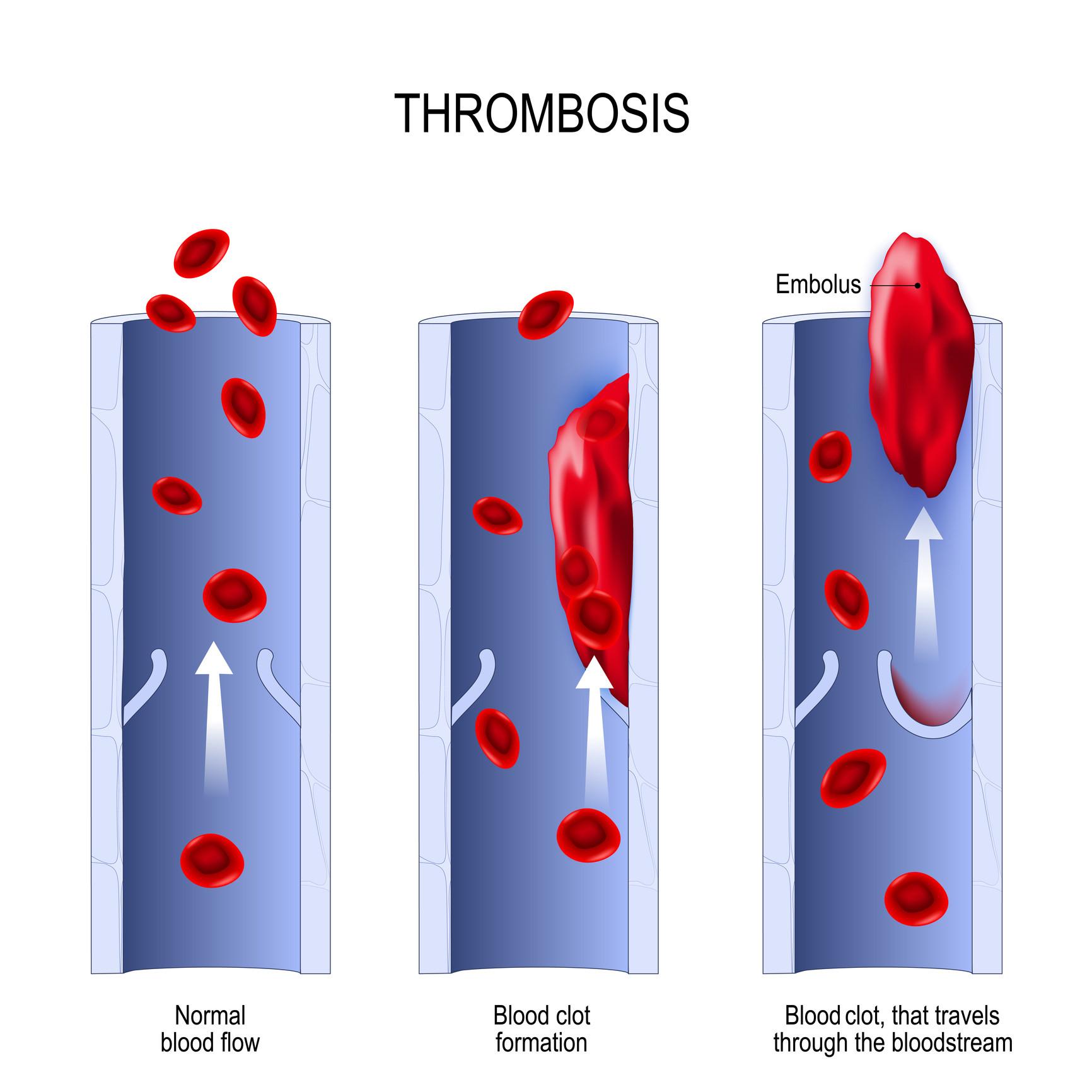
Leg clots (aka deep-vein thrombosis): an immediate and long-term health hazard
When it comes to under-the-radar health conditions, deep-vein thrombosis is at the top of the list. Most of my patients have never heard of this common problem. Yet deep-vein thrombosis puts more than one-quarter million Americans in the hospital each year, and complications from it are responsible for upwards of 100,000 deaths.

What is non-HDL cholesterol?
For many people, non-HDL cholesterol (which is total cholesterol minus HDL cholesterol) may be as good as (or even more reliable than) LDL for assessing a person's risk of heart problems.
How does blood pressure work?
Blood pressure is the push of blood through the body, like water through a hose. Pressure depends on how hard the heart pumps, how much blood there is, and how tight small vessels are, all influenced by hormones, salt, fluids, and stress.
Whole grains may improve several heart risk factors at once
Light exposure at night may raise risk for heart disease
Children of centenarians may stay healthier and live longer too, study finds
A lumbar belt may help ease low back pain
Signs of pneumonia: Sometimes vague and unexpected
Using a vibration plate: What it can — and can't — do for your body
The surprising link between ovarian cancer and the fallopian tubes
People who walk more or walk faster live longer, study finds
Rosacea treatments: What works?
For sleep apnea, a dental device may be as effective as CPAP
Free Healthbeat Signup
Get the latest in health news delivered to your inbox!
Sign Up
