

Whole grains may improve several heart risk factors at once

Light exposure at night may raise risk for heart disease

Children of centenarians may stay healthier and live longer too, study finds

A lumbar belt may help ease low back pain

Signs of pneumonia: Sometimes vague and unexpected

Using a vibration plate: What it can — and can't — do for your body

The surprising link between ovarian cancer and the fallopian tubes

People who walk more or walk faster live longer, study finds

Rosacea treatments: What works?

For sleep apnea, a dental device may be as effective as CPAP
Cholesterol and lipids Archive
Articles

Types of heart failure: What do the different terms mean?
Heart failure (when the heart can’t pump or fill with blood effectively) stems from a range of conditions that weaken or stiffen the heart. Heart failure is described and classified by what part of the heart is affected and the severity of symptoms.
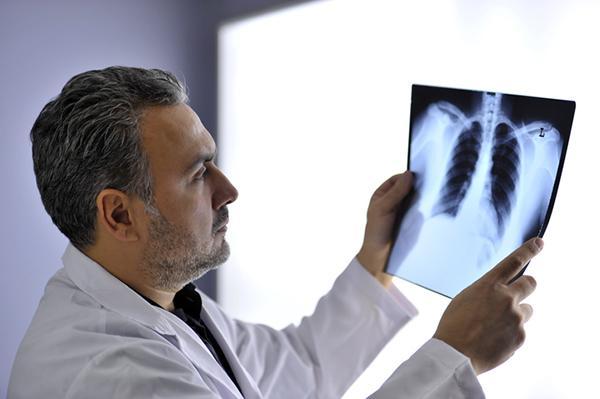
Can a pulmonary embolism be treated at home?
A blood clot in the lungs (pulmonary embolism) that is discovered by chance on an imaging test and causes no symptoms can be safely treated at home with anti-clotting drugs, according to guidelines published in 2026.

Why might I feel faint after light exercise?
Momentary dizziness after a walk or rising from kneeling can signal blood pressure shifts, medications, heart disease, or low blood sugar. It merits a checkup.

Treating high blood pressure may help lower risk of cognitive decline
People who aggressively lower their high blood pressure not only help their heart health, but also may protect their brains from cognitive decline in the process, according to a 2025 study.

Keeping coffee to mornings may better protect the heart
A 2025 study found that morning coffee drinkers faced lower odds of dying from cardiovascular disease-or any cause-over a 10-year period compared with people who drank coffee all day or people who didn't drink coffee at all.

Diagnosing coronary artery disease
People who follow a healthy lifestyle can still have the early stages of coronary artery disease (CAD), the most common type of heart disease. There are many ways people can find out if they have CAD. This includes paying attention to whether exercise causes discomfort, doing a 10-year heart risk assessment, and seeing their doctor for diagnostic testing, such as a coronary artery calcium scan, a resting electrocardiogram, a walking stress test, or an echocardiogram. A doctor uses this information to determine the best treatment path.

Body roundness index may predict heart disease risk
The body roundness index-defined as height in relation to waist circumference-may be a good way to predict a person's risk of cardiovascular disease.

Heart medication interactions
Certain drugs, supplements, or foods can interact with common heart medications. Known as drug-drug or drug-nutrient interactions, these can occur at any point of the drug's "life cycle:" absorption, metabolism, or excretion. When a drug or other substance alters the absorption or metabolism of another drug, this may reduce or increase its effects. For example, grapefruit juice can elevate blood levels of certain statins and potentially increase the risk of side effects.
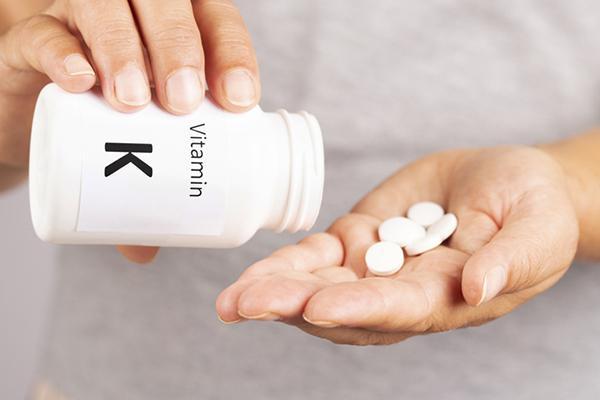
Is it safe for me to take vitamin K if I am already taking Plavix and aspirin?
Taking antiplatelet drugs can make any “blood thinner” advice confusing. Which blood-thinning medications vitamin K affects matters here.

Strategies for scaling back on salt
About 70% of the sodium in the American diet comes from processed, packaged, and restaurant foods. Checking labels and making smart swaps when shopping and dining out can help people consume less sodium and, perhaps, prevent cardiovascular disease and related deaths.
Whole grains may improve several heart risk factors at once
Light exposure at night may raise risk for heart disease
Children of centenarians may stay healthier and live longer too, study finds
A lumbar belt may help ease low back pain
Signs of pneumonia: Sometimes vague and unexpected
Using a vibration plate: What it can — and can't — do for your body
The surprising link between ovarian cancer and the fallopian tubes
People who walk more or walk faster live longer, study finds
Rosacea treatments: What works?
For sleep apnea, a dental device may be as effective as CPAP
Free Healthbeat Signup
Get the latest in health news delivered to your inbox!
Sign Up
